Cities against the End of the World
COUNTLESS CITIES THE BIENNIAL OF THE CITIES OF THE WORLD 2027
A global biennial exploring how cities can defend freedom, build peace and restore the human value of dwelling.
We are living through a time of profound global instability. Democracies are under increasing pressure, civil rights are being eroded, and armed conflicts alongside the climate crisis are reshaping borders, migration, and inequality. In this context, cities are no longer merely places where social life unfolds; they have become the primary arenas where the possibilities for freedom, peace, and human dignity are negotiated and defended. Countless Cities 2027 is born from a fundamental question: what role can cities play today in defending freedom, fostering prospects for peace, and safeguarding the right to inhabit a world marked by global disorder? The Biennial is conceived as an international platform for research, dialogue, and civic imagination. It is not dedicated to the world's most successful or iconic cities, but to the cities that resist, that welcome, and that experiment with new ways of caring for people in an era defined by multiple, interconnected crises.
Three Principal Lines of Inquiry
A New Human Freedom Agenda
Freedom is not an abstract principle. It is experienced—or denied—in the places where everyday life unfolds. It is the right to remain in the city we call home, to move without fear, to access knowledge, to meet in public, to express one’s identity and to participate in shaping a shared future. It is also freedom from surveillance, discrimination, exploitation, forced displacement and new forms of slavery. From Athens and Minneapolis to Nairobi and Sihanoukville, the Pavilions reveal how cities have become decisive arenas in which fundamental rights are defended, restricted or reinvented. Countless Cities 2027 calls for a new human freedom agenda: one that begins with people’s bodies, lives and relationships, and recognises the city as the place where freedom must become real.
Cities as Infrastructures of Peace
Peace is not built only through treaties between nations. It is constructed every day in streets, schools, libraries, cultural spaces, neighbourhoods and places of encounter. Cities experience the consequences of war, forced migration, inequality, segregation and polarisation directly. But they can also create the conditions for coexistence: protecting public space, preserving memory, welcoming displaced people, repairing historical wounds and keeping cultural life alive even in times of conflict. From a small cultural pavilion in Kyiv to an act of restitution connecting Athens and Palermo, Countless Cities 2027 explores how architecture, culture and civic action can become infrastructures of peace. Because peace does not begin when conflict ends. It begins wherever people continue to recognise one another, care for shared places and imagine a future together.
The Human Value of Dwelling
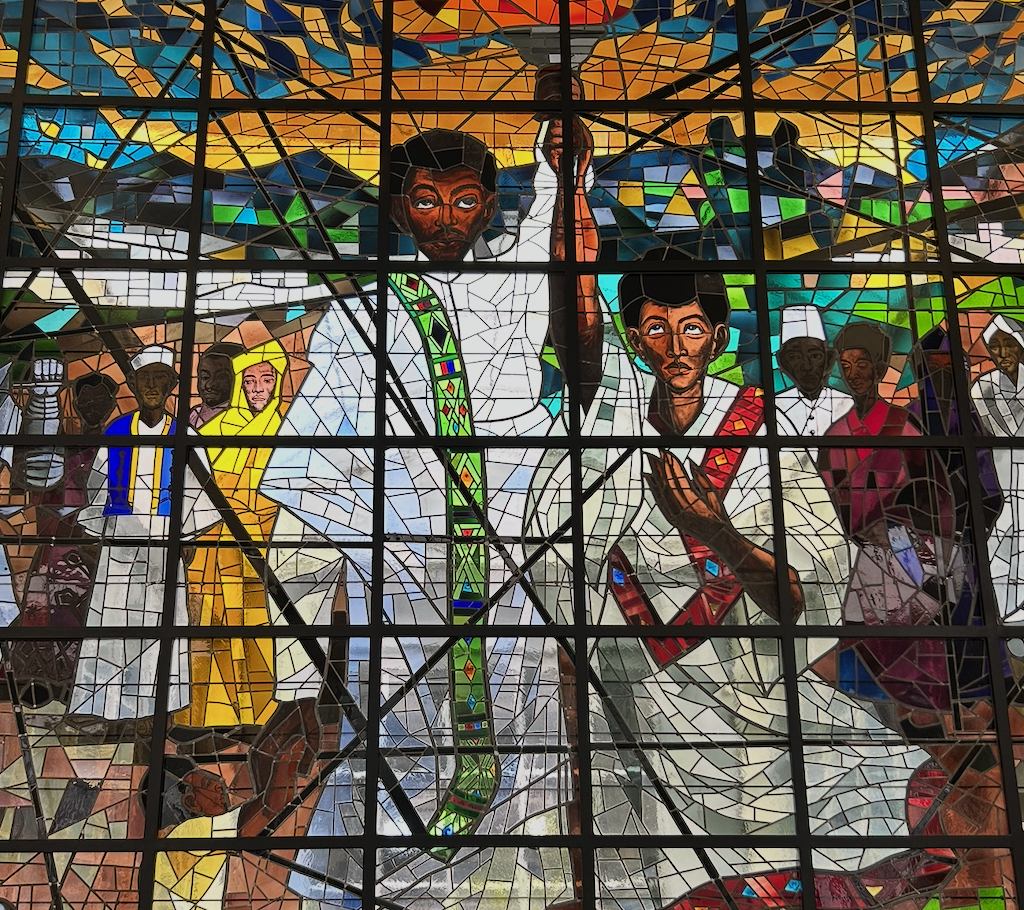
To dwell means more than occupying a house. It means having a place in the world: somewhere to feel safe, build relationships, preserve memories and imagine a future. Today, this possibility is threatened by housing shortages, speculation, war, climate change, forced migration, gentrification and the abandonment of rural and peripheral territories. Across the world, homes are increasingly treated as commodities while the people who inhabit them are displaced, excluded or rendered invisible. From the cooperative neighbourhoods of Montevideo to the moving city of Kiruna, from the territorial inequalities of Cape Town to the intimate geographies of Habitar, the Pavilions explore different ways of building, defending and reinventing home. Countless Cities 2027 affirms that dwelling is not merely an architectural condition. It is a fundamental human value and the foundation of dignity, belonging and collective life.
Pavilions
ADDIS ABABA Ethiopia · ATHENS Greece · CAPE TOWN South Africa · DHAKA Bangladesh · KIRUNA Sweden · KOPER Slovenia · KYIV Ukraine · LANGHE Italy · MINNEAPOLIS United States · MONTEVIDEO Uruguay · NAIROBI Kenya · NANTES France · PORTO Portugal · SANTIAGO DE CHILE Chile · SICILY Italy · SIHANOUKVILLE Cambodia
ADDIS ABEBA PAVILION
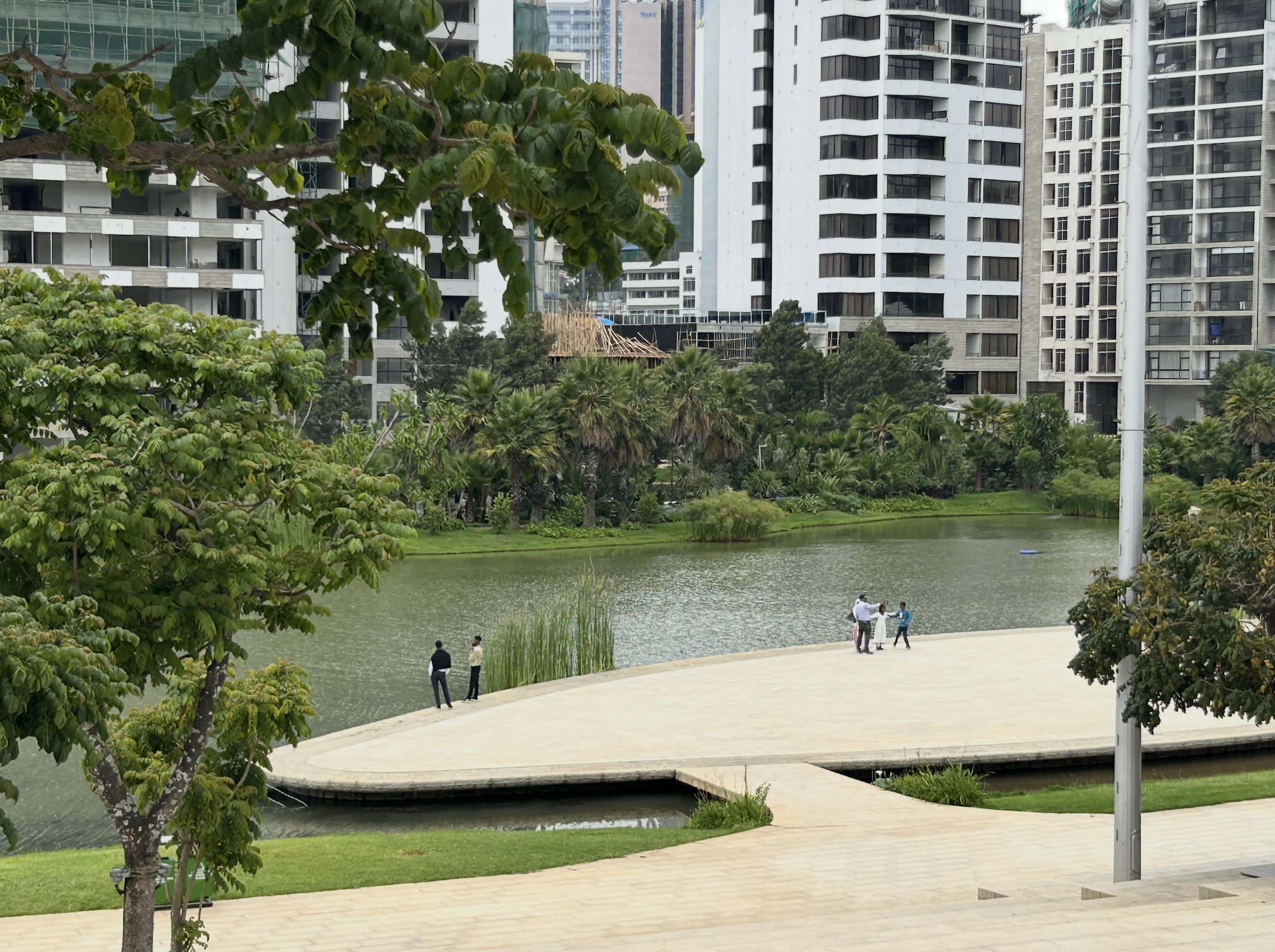
Voices of a Changing City. A city moving faster than its memories.
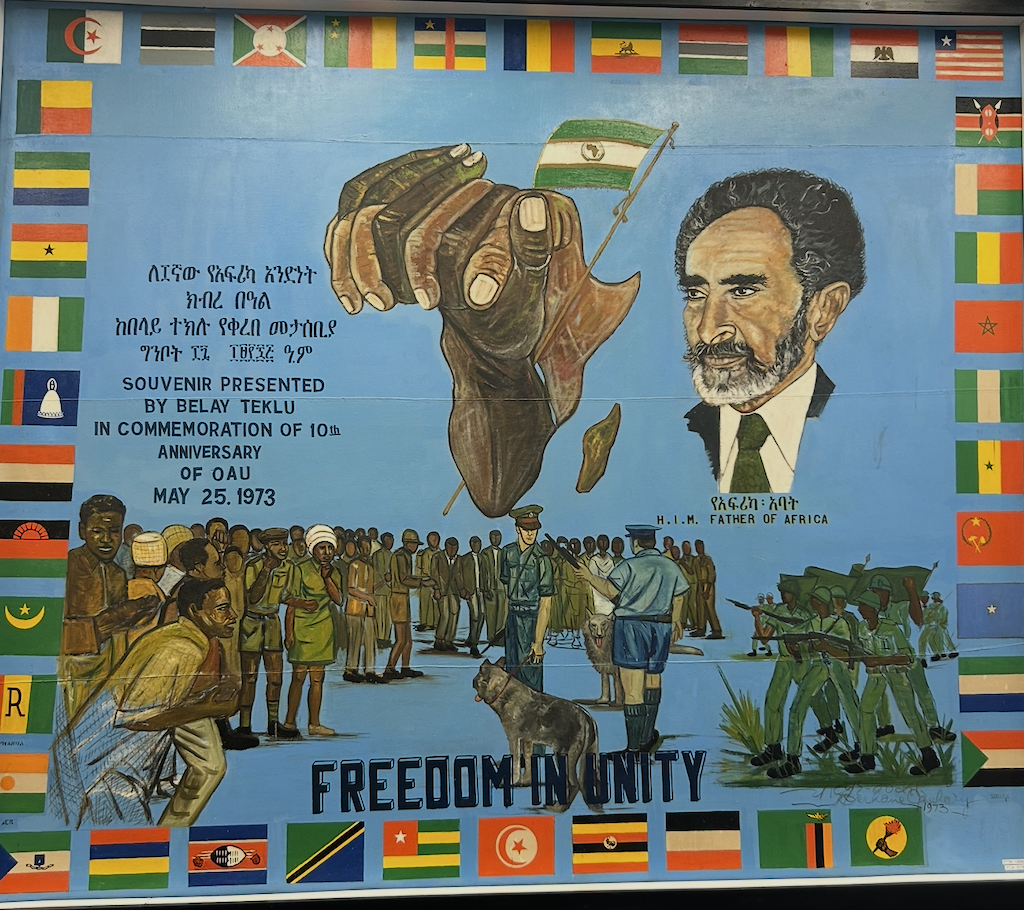
Addis Ababa is a city in motion. Ethiopia’s political capital and the seat of the African Union, it is undergoing rapid urban transformations that are reshaping its landscape, its ways of living and the relationship between memory and the future.
Through testimonies, architecture, performance, film and photography, the Addis Ababa Pavilion offers a collective portrait of this complex city. Rather than presenting a definitive image, it brings together voices that preserve its memory and imagine its transformation.
The journey begins with the history of the Galileo Galilei Italian State School, told through a documentary interview with Marina Venturella, and continues through the work of three leading figures in the city’s cultural life: architect and professor Fasil Giorghis, curator Meskerem Assegued, and Melaku Belay, founder of the Fendika Cultural Center. Photographer and filmmaker Alazarfekru Gizachew Ayka observes the changing city through the experiences and everyday lives of its inhabitants. Together, their stories reveal a city where heritage, education, art and performance become powerful tools for encounter, belonging and change.
ATHENS PAVILION
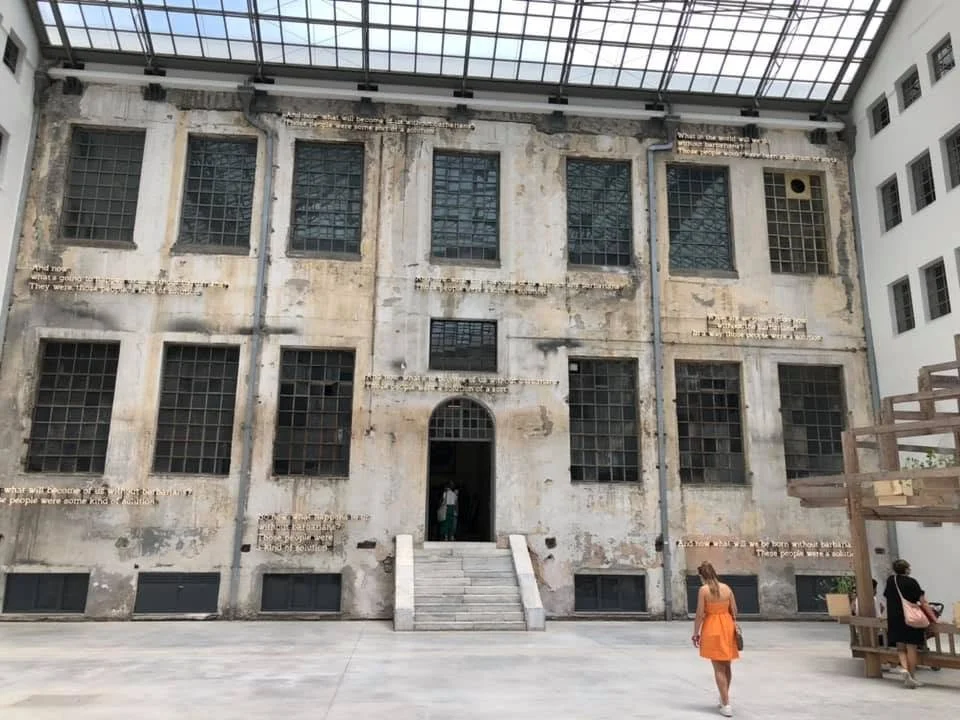
The right to return. The right to remain. Every fragment has the right to return. Every person has the right to remain.
In 2022, a fragment of the Parthenon preserved in Palermo for more than two centuries was permanently returned to Athens by the Museo Archeologico Regionale Antonino Salinas.
This act of restitution becomes the conceptual starting point of the Athens Pavilion.
What does it mean to return something to the place to which it belongs? Can the principle of restitution be extended from archaeological heritage to people, communities and cities? If every fragment has the right to return, should every person not also have the right to remain in the city they call home?
From archaeology to contemporary urban life, from cultural heritage to fundamental rights, the Pavilion connects two Mediterranean cities—Athens and Palermo—shaped by extraordinary histories but also by tourism, economic fragility, migration, housing pressure and the progressive transformation of public space.
The restitution of a fragment from Palermo to Athens thus opens a wider reflection on belonging: the right to return, the right to remain and the right to appear.
CAPE TOWN PAVILION
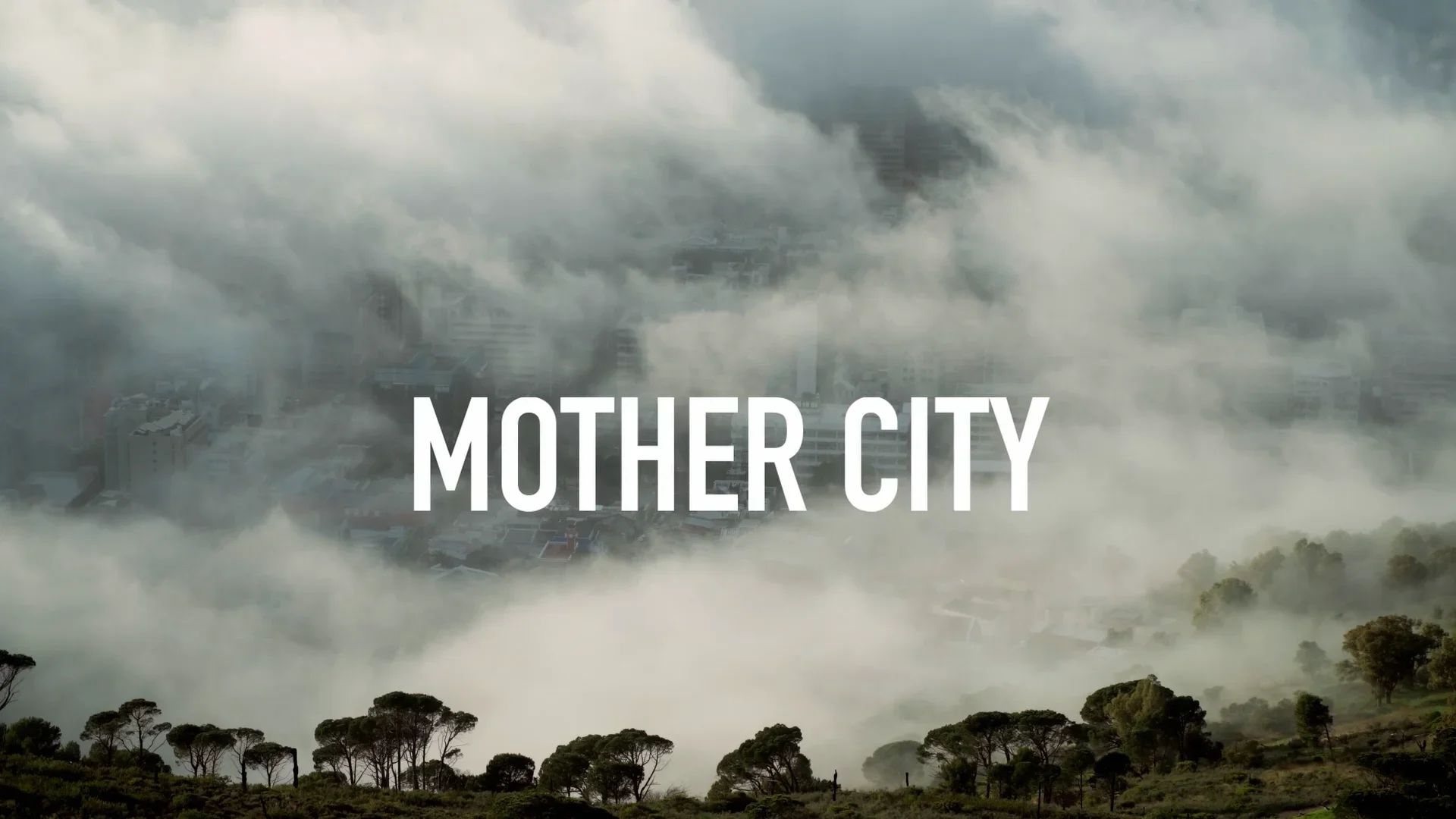
Mother City. A city where beauty and inequality occupy the same landscape.
Cape Town is one of the most recognisable cities in the world. Between Table Mountain and the Atlantic Ocean, its extraordinary landscape has helped create a global image of beauty, freedom and possibility.
But another geography exists behind this image.
More than thirty years after the end of apartheid, the city remains profoundly divided. The distances separating homes from workplaces, wealthy neighbourhoods from townships and opportunity from exclusion are not accidental. They are the physical legacy of a system that used urban planning to separate people according to race.
Today, rising property values, tourism and private development risk reinforcing those historical divisions. Cape Town is therefore not only a city shaped by apartheid’s past. It is a city in which the right to land, housing and belonging continues to be contested every day.
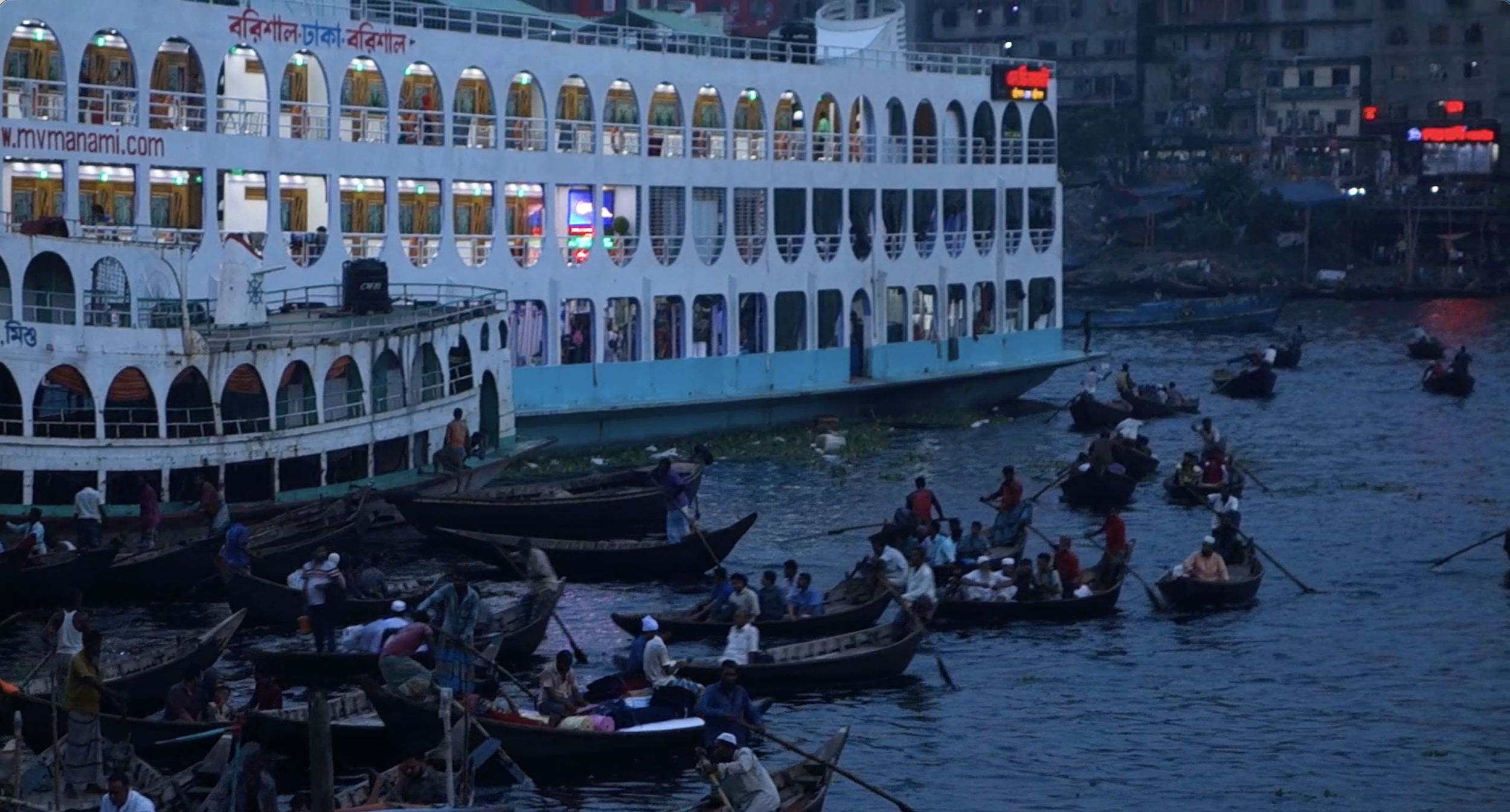
DHAKA PAVILION
Hidden lives in a city becoming.
Dhaka is one of the most densely inhabited and rapidly changing cities in the world. It is a place of arrival for people coming from across Bangladesh in search of work, safety and a possible future.
Many reach the capital after losing land, homes or livelihoods to river erosion, flooding, cyclones, salinisation and other environmental transformations. Others are drawn into the vast economic system that connects Dhaka’s factories, workshops and neighbourhoods to global production and consumption.
The city receives people, materials, water, waste, labour, memories and aspirations. It absorbs everything, but does not protect everyone equally.
Dhaka grows through the lives of those who arrive. Yet many of the people building the city remain excluded from secure housing, healthy environments, safe working conditions and the right to shape its future.
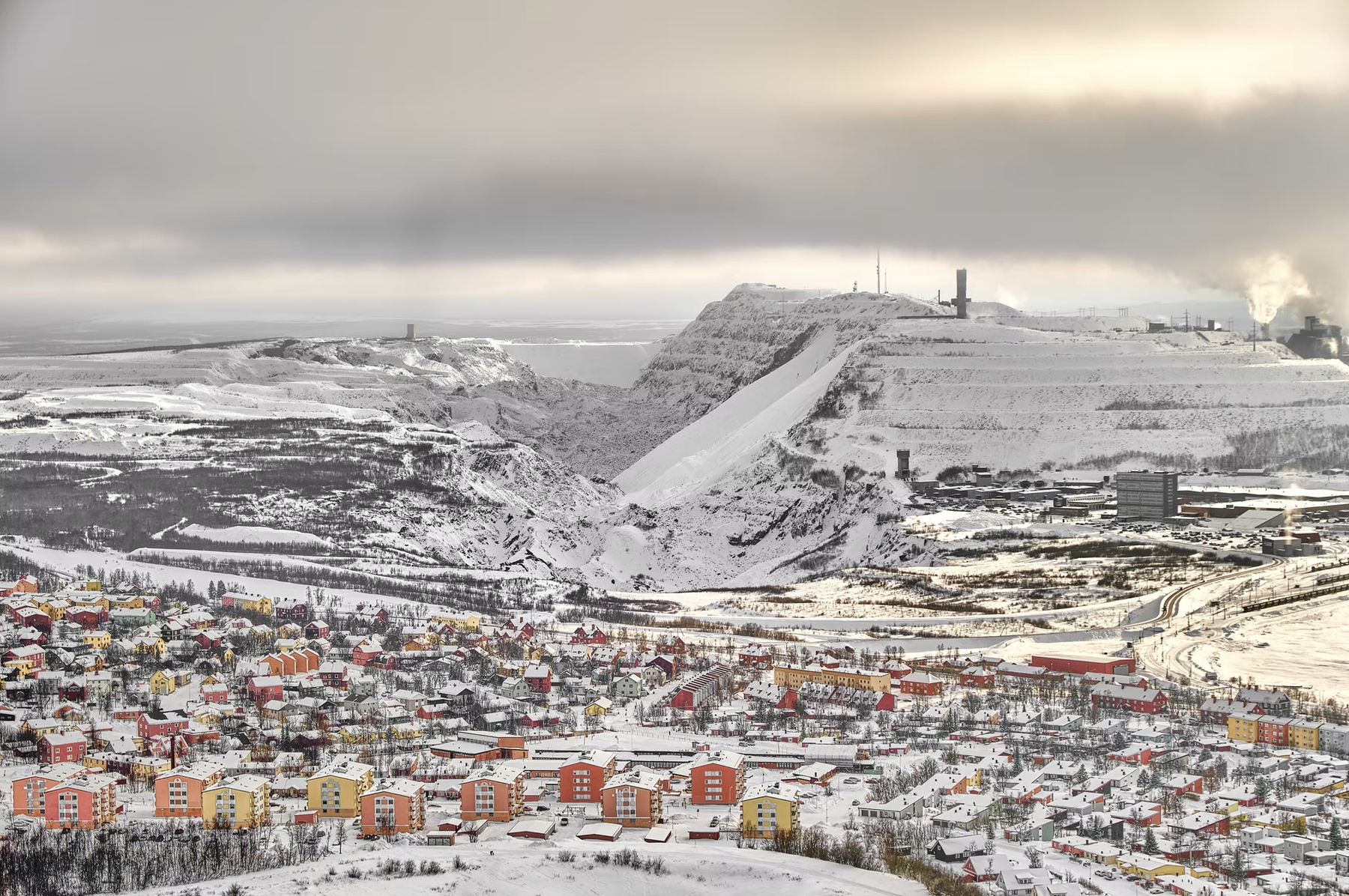
KIRUNA PAVILION
Iron Heart. The city that moves.
Gregor Kallina has followed Kiruna’s transformation over many years, documenting buildings waiting to be relocated, homes being dismantled, streets destined to disappear and inhabitants preparing for a future that does not yet fully exist.
His images reveal the mixture of nostalgia, doubt and expectation that accompanies the relocation. The old city is still physically present, but its disappearance is already in full progress. The new city is taking shape, but it does not yet possess the memories that transform space into place.
Iron Heart asks whether urban identity can be designed in advance—or whether it can only emerge through time, relationships and lived experience.
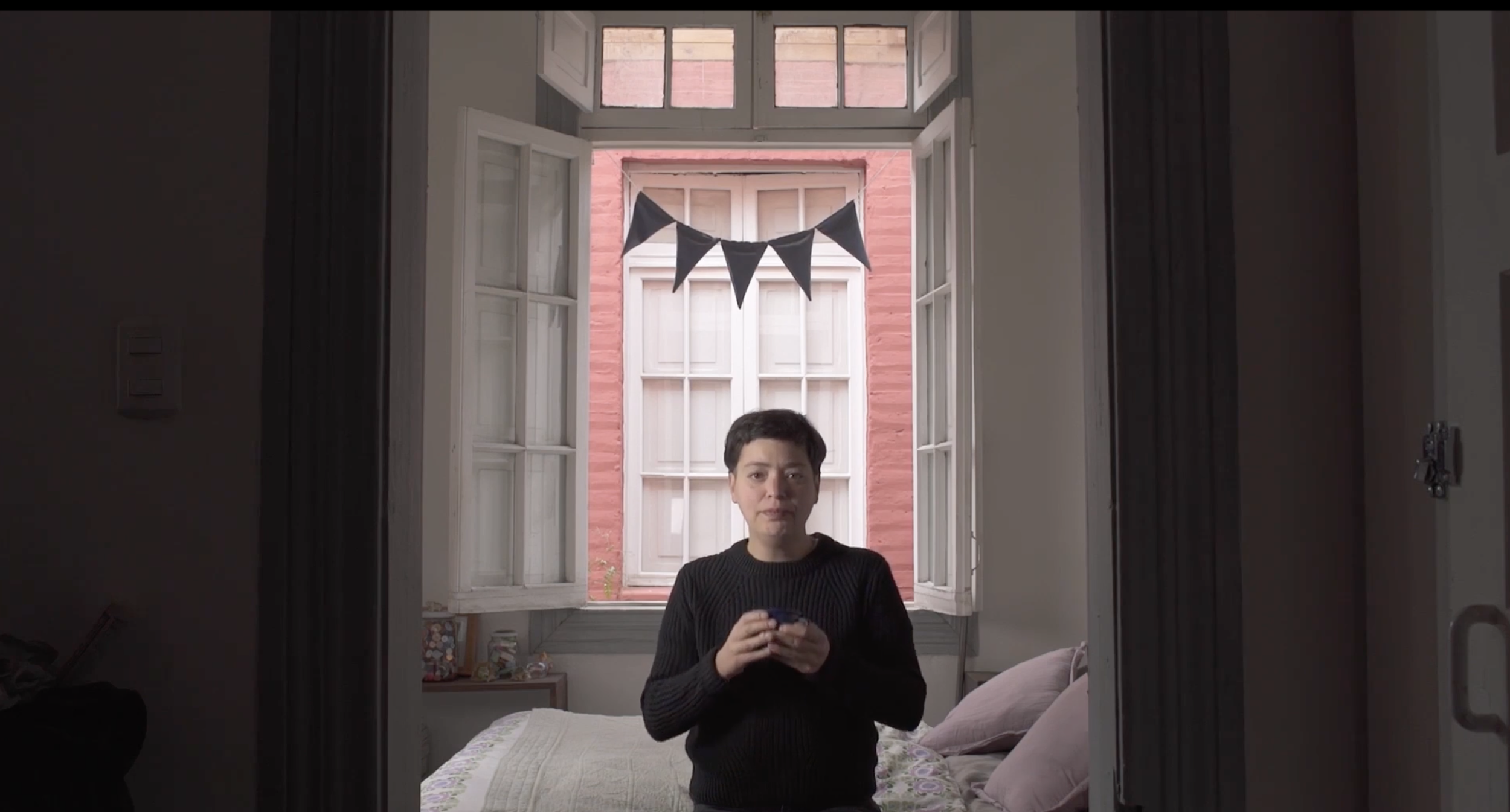
HABITAR PAVILION
KOPER · LANGHE · PORTO · SANTIAGO DE CHILE · SICILY
What transforms a place into a home?
Home is not only where we live. It is how we inhabit the world.
Habitar is a curatorial, artistic and research project of Joaquín Mora, exploring contemporary ways of living, occupying and imagining home.
It begins with the idea that inhabiting is not simply a functional or material condition. It is an intimate, sensitive, social and political experience shaped by bodies, memories, relationships and time.
A house is a physical space. A home is something that must be constructed every day.
It is created through gestures, objects, routines, relationships and memories. It can be inherited or chosen, preserved or abandoned, defended or continually reinvented. It can coincide with the place in which we were born, but it can also emerge somewhere unexpected, far from where our story began.
At a time marked by housing shortages, the commodification of homes, migration, gentrification and the abandonment of rural and peripheral territories, Habitar returns attention to lived experience. It places people’s voices and everyday strategies at the centre of the conversation about housing and the future of our territories.
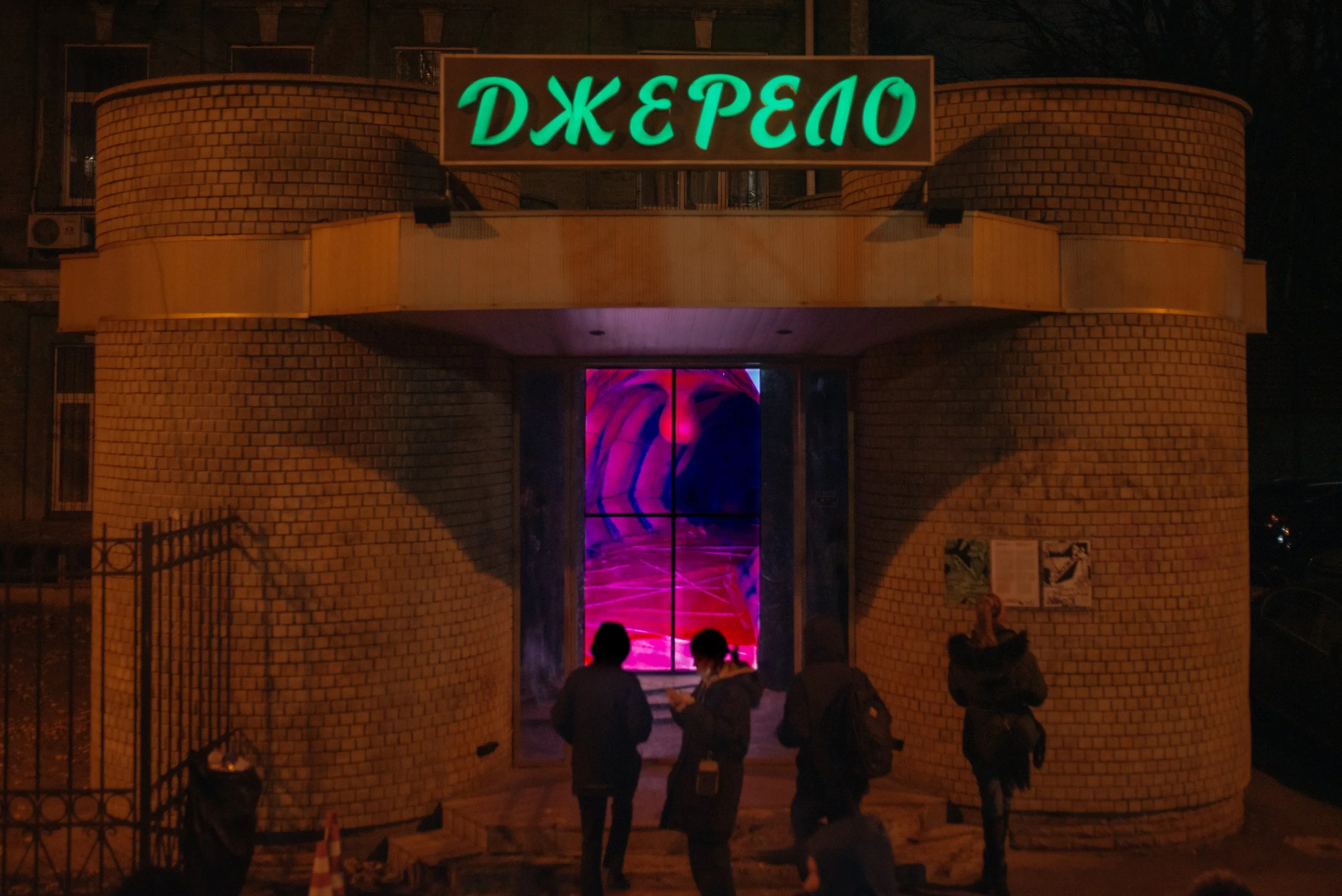
KYIV PAVILION
The SOURCE
A Small Pavilion for an Unbroken City
Kyiv is a city living through war without surrendering its cultural life, its identity or its capacity to imagine a future.
Beyond the images of destruction exists a living city made of people who continue to meet, create, care for one another and defend the spaces in which a community can recognise itself. In this context, culture is not separate from resistance. Keeping a public space alive, showing an artwork, making music or gathering around an idea become ways of protecting freedom.
The Kyiv Pavilion tells this larger story through one very small architecture: Dzherelo — The Source.
Originally built to distribute water, Dzherelo has been transformed into an independent cultural space dedicated to contemporary art. Its history demonstrates that the significance of an urban place does not depend on its size, but on the relationships and possibilities it is capable of generating.
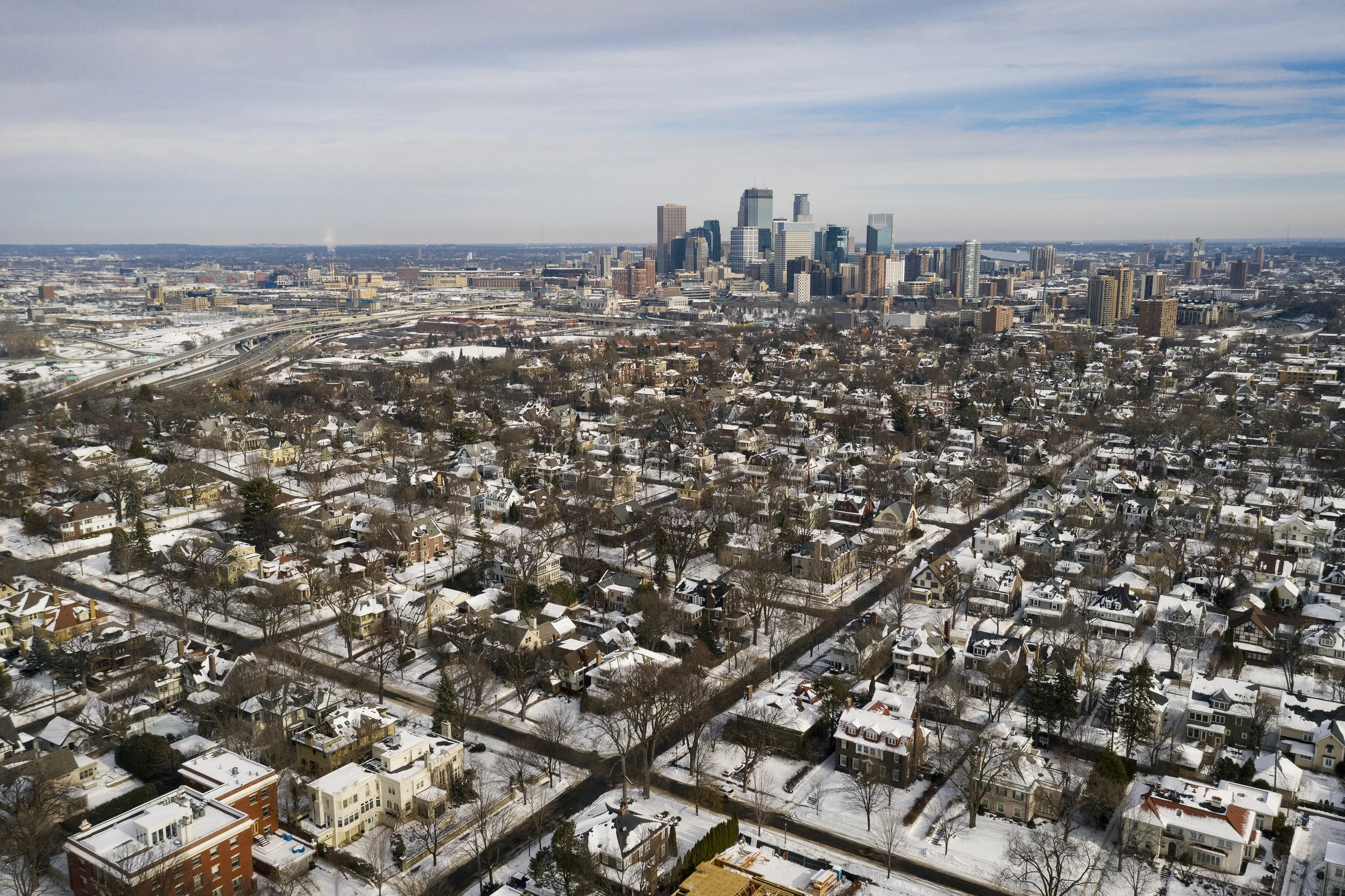
MINNEAPOLIS PAVILION
From George Floyd Square to a new geography of Civic Resistance
Minneapolis occupies a decisive place in the contemporary history of civil rights.
In May 2020, the murder of George Floyd by a Minneapolis police officer transformed a street intersection into the epicentre of a global movement against racism and police violence. The words “I can’t breathe” travelled from the city to the rest of the world, demanding that millions of people confront forms of injustice that had too often remained ignored.
George Floyd Square became more than a memorial. It became a place of grief, protest, art, mutual aid and collective memory—a space created and cared for by a community determined not to allow another human life to be reduced to a statistic.
In 2026, Minneapolis once again became a centre of civic resistance. Faced with an intensified presence of federal immigration agents and operations affecting immigrant communities, residents organised neighbourhood networks, accompanied children to school, supported vulnerable families, documented enforcement actions and transformed homes, businesses and places of worship into infrastructures of care.
These events are not separate chapters. They reveal a city in which memory has become a form of civic preparation.
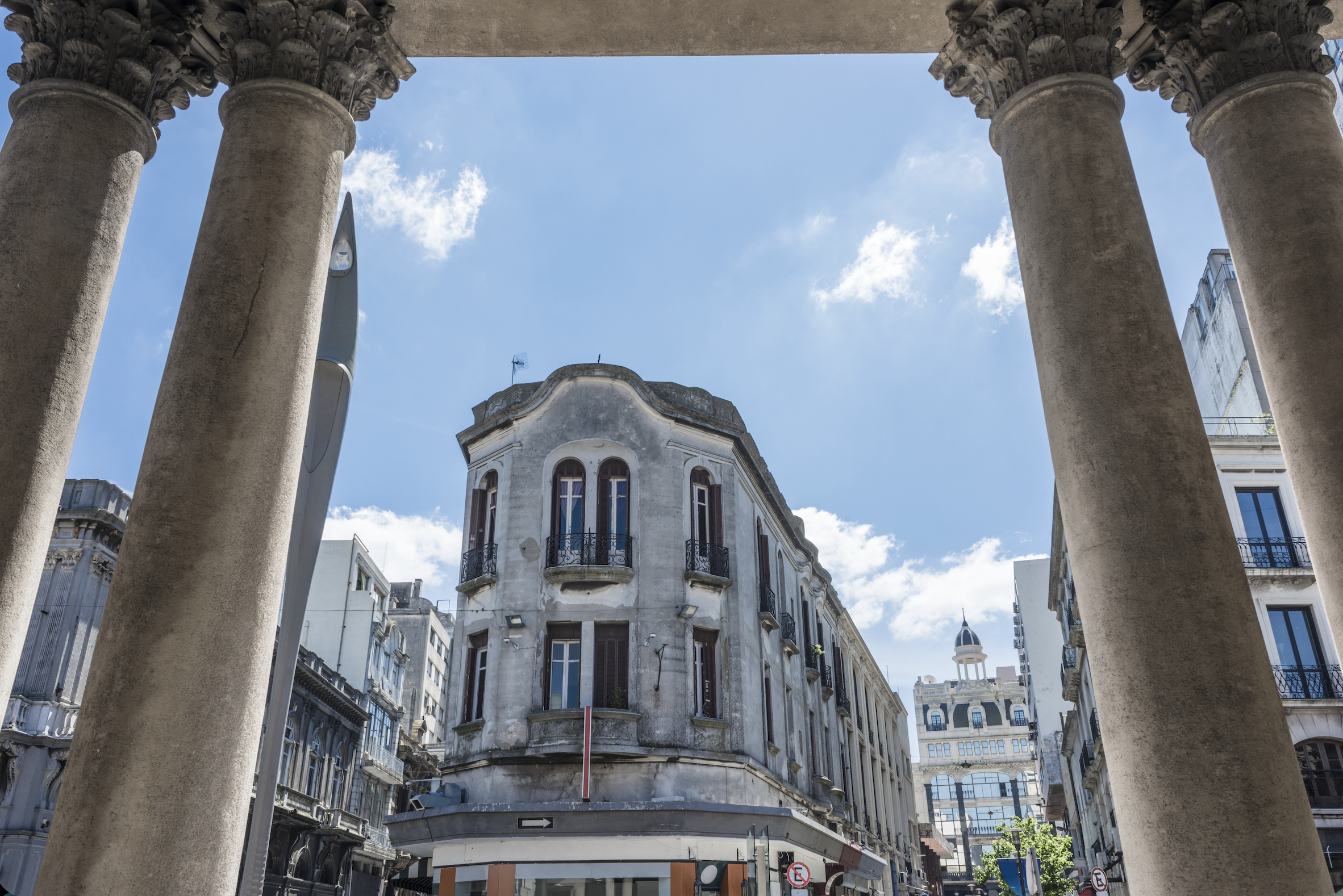
MONTEVIDEO PAVILION
FUCVAM and HOUSING as a common good
Montevideo is home to one of the world’s most important experiences of cooperative housing.
For more than half a century, thousands of Uruguayan families have responded to the housing crisis by organising themselves, obtaining land, designing their neighbourhoods and collectively constructing the places in which they would live.
This experience is represented by FUCVAM — Federación Uruguaya de Cooperativas de Vivienda por Ayuda Mutua, founded in 1970. Its model is based on four interconnected principles: mutual aid, self-management, collective ownership and democratic participation.
FUCVAM demonstrates that housing does not have to be treated only as a commodity or an individual possession. It can be understood as a social right, a common resource and a collective process through which people transform not only physical space, but also their relationship with one another.
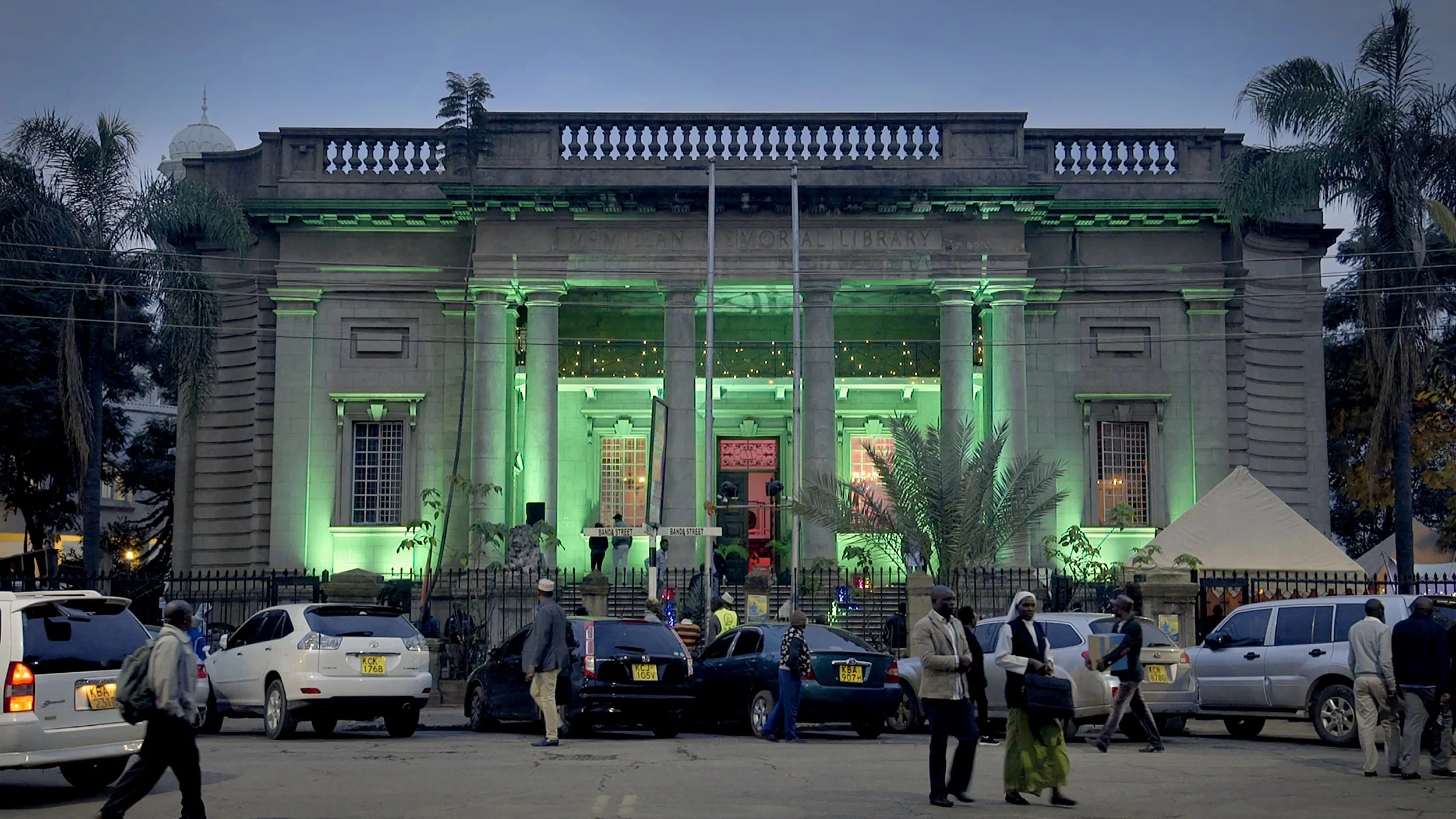
NAIROBI PAVILION
How to Build a Library. Reclaiming History, Reimagining the City.
Nairobi is a city built through many overlapping histories. Colonial planning, independence, rapid urban growth and contemporary cultural energy coexist within its streets, institutions and public spaces.
Some of these histories are celebrated. Others remain hidden inside buildings, archives and systems inherited from the past.
At the centre of Nairobi stands the McMillan Memorial Library, a monumental neoclassical building inaugurated in 1931. Created during British colonial rule, the library was originally reserved for white users and opened to Africans only in 1958.
Decades later, its architecture and collections still embodied unresolved questions about access, representation and cultural identity. Who was the library built for? Which histories did it preserve? Which voices were absent from its shelves?
In 2017, writer Wanjiru “Shiro” Koinange and publisher Angela Wachuka decided to enter this complex history and transform it. Through Book Bunk, they began rebuilding not only a neglected library, but also the relationship between the institution, the city and the people it should serve.
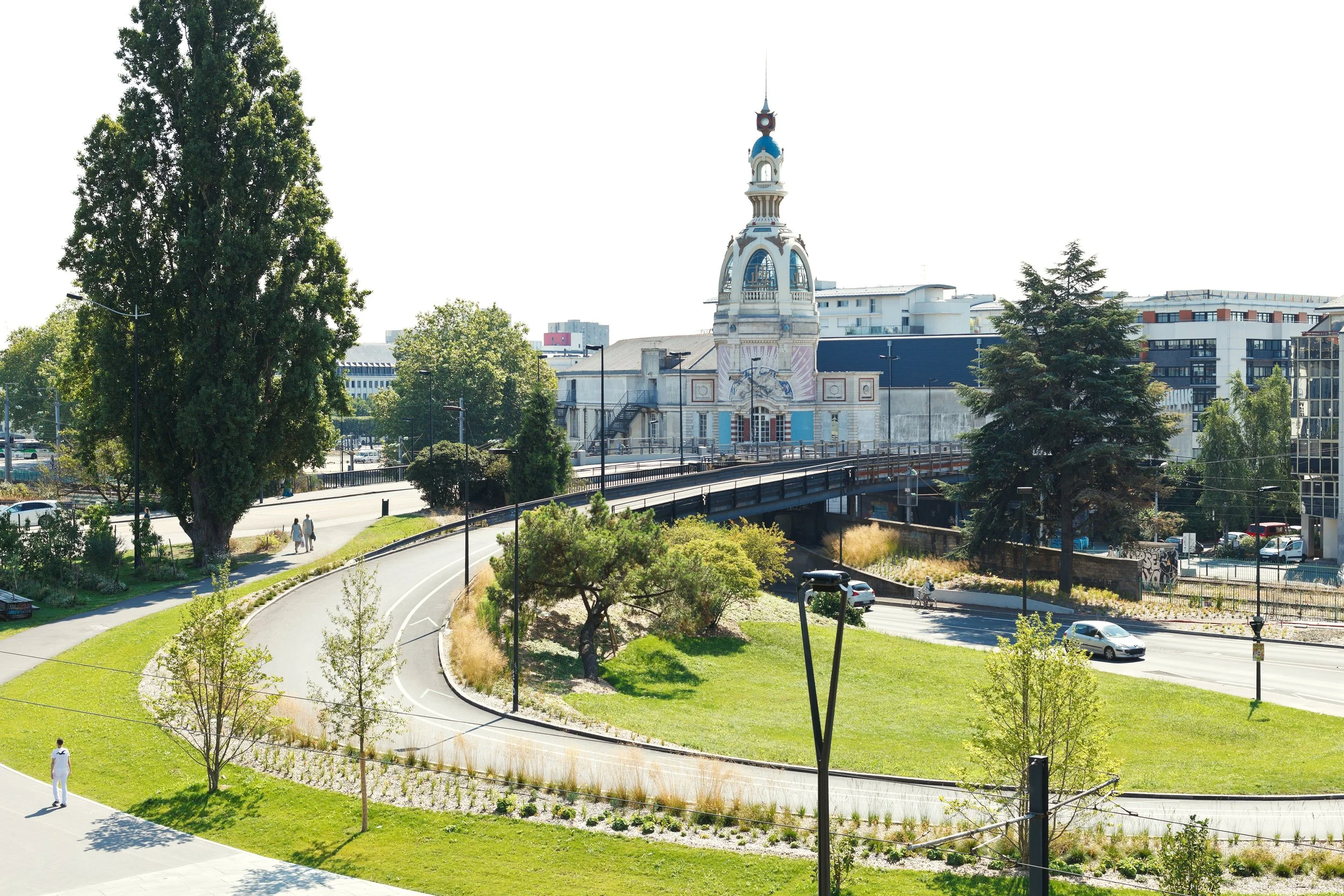
NANTES PAVILION
When Public Space becomes a Neighbourhood Home
A city is not truly public simply because its streets, squares and buildings belong to a public authority.
It becomes public when people can enter its spaces, use them, transform them and recognise themselves within them.
Nantes has developed a citywide network of Maisons de Quartier and sociocultural centres: neighbourhood houses in which public space assumes a domestic and collective dimension. They host associations, cultural activities, libraries, workshops, performances, social services, educational programmes and projects proposed by residents.
These places exist between the institution and everyday life. They are neither traditional municipal offices nor cultural venues designed only for spectators. They are open, adaptable spaces in which people can meet, learn, organise activities and participate in the life of their neighbourhood.
The Nantes Pavilion investigates what happens when a public building is treated not merely as an asset to be administered, but as a common resource to be inhabited.
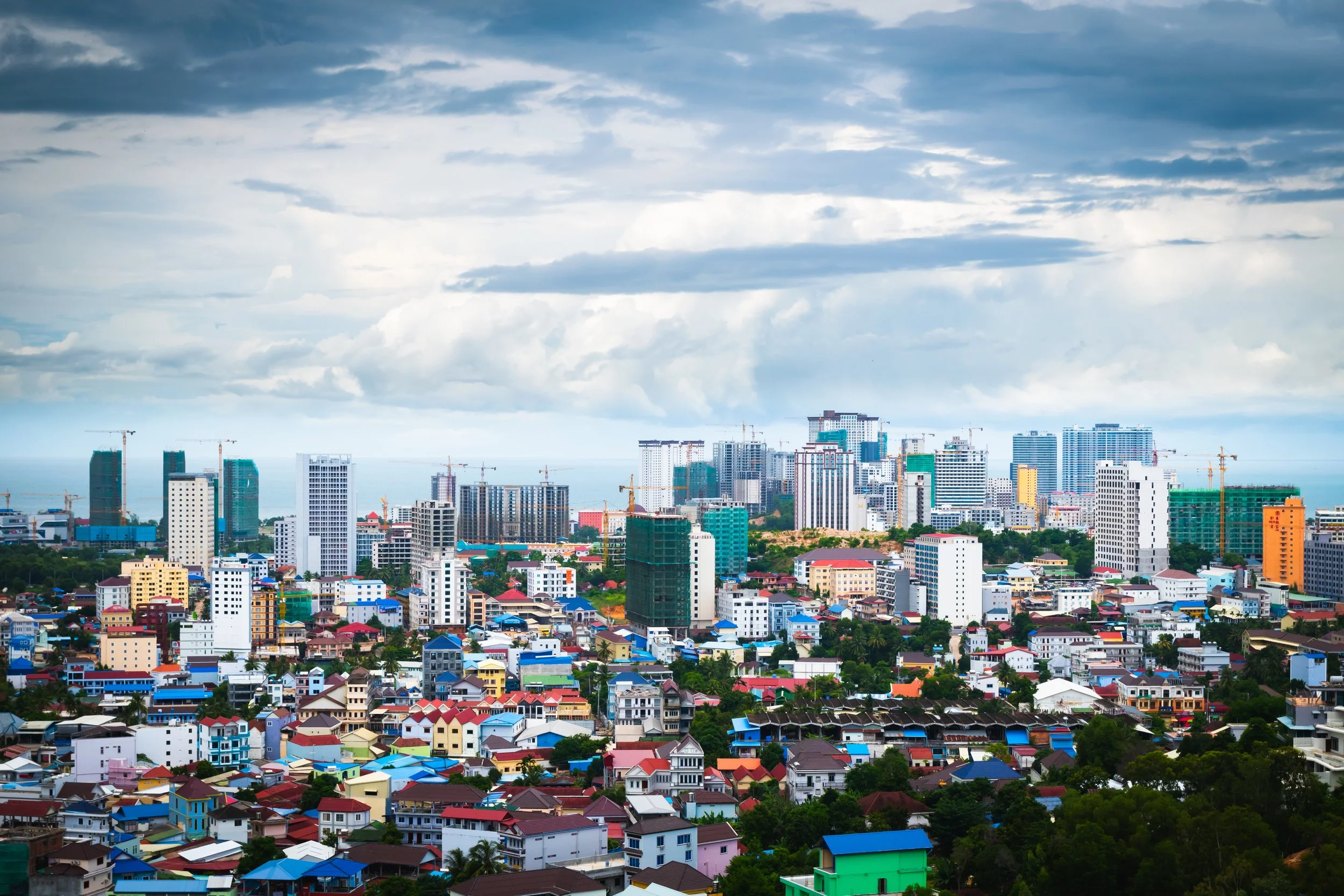
SIHANOUKVILLE PAVILION
The Architecture of Digital Slavery
Sihanoukville is a coastal city transformed at extraordinary speed. Once known for its beaches and port, over the past decade it has become a landscape of casinos, hotels, construction sites and speculative developments, driven largely by foreign investment and online gambling.
When Cambodia banned online gambling in 2019, many activities disappeared from public view. Some hotels, casinos and unfinished developments were transformed into enclosed compounds used by criminal organisations to operate online fraud on a global scale.
Behind their walls, thousands of people from different countries have been deceived by false job offers, trafficked across borders and forced to carry out digital scams under threats, violence and surveillance.
Sihanoukville reveals a disturbing paradox: a city connected to the entire world, while those trapped within it are deprived of the most fundamental freedom.

The next city has not yet been imagined.
Countless Cities is an open and evolving platform. Cities, universities, cultural institutions, artists, researchers and communities from around the world are invited to take part in the next journey.
Countless Cities è una piattaforma aperta e in continua evoluzione. Città, università, istituzioni culturali, artisti, ricercatori e comunità di tutto il mondo sono invitati a prendere parte al prossimo viaggio.
JOIN COUNTLESS CITIES 2027
PROPOSE A CITY
Is there a city whose transformation, struggles or experiments deserve to be known?
Propose a city and tell us the story that Countless Cities should bring to Sicily.
BECOME A PARTNER
Countless Cities is built through international collaborations.
Universities, cultural institutions, public authorities, foundations and civic organisations can contribute through research, cultural exchange, artistic production, public programmes and shared knowledge.
HOST A PAVILION
In 2027, the Biennial will unfold across different cultural and civic spaces in Sicily.
Museums, universities, public institutions, cultural centres and other organisations can host a Pavilion and become part of a distributed geography of cities, stories and encounters.
SUPPORT THE BIENNIAL
Supporting Countless Cities means helping independent cultural research, artistic production and international dialogue reach new communities.
Companies, foundations and individual donors can support a Pavilion, an artist, a film, a residency, an educational programme or the Biennial as a whole.
RECEIVE UPDATES
Follow the development of Countless Cities 2027 and discover new Pavilions, participating artists, public programmes, venues and opportunities to take part.
JOIN COUNTLESS CITIES 2027
How would you like to participate?