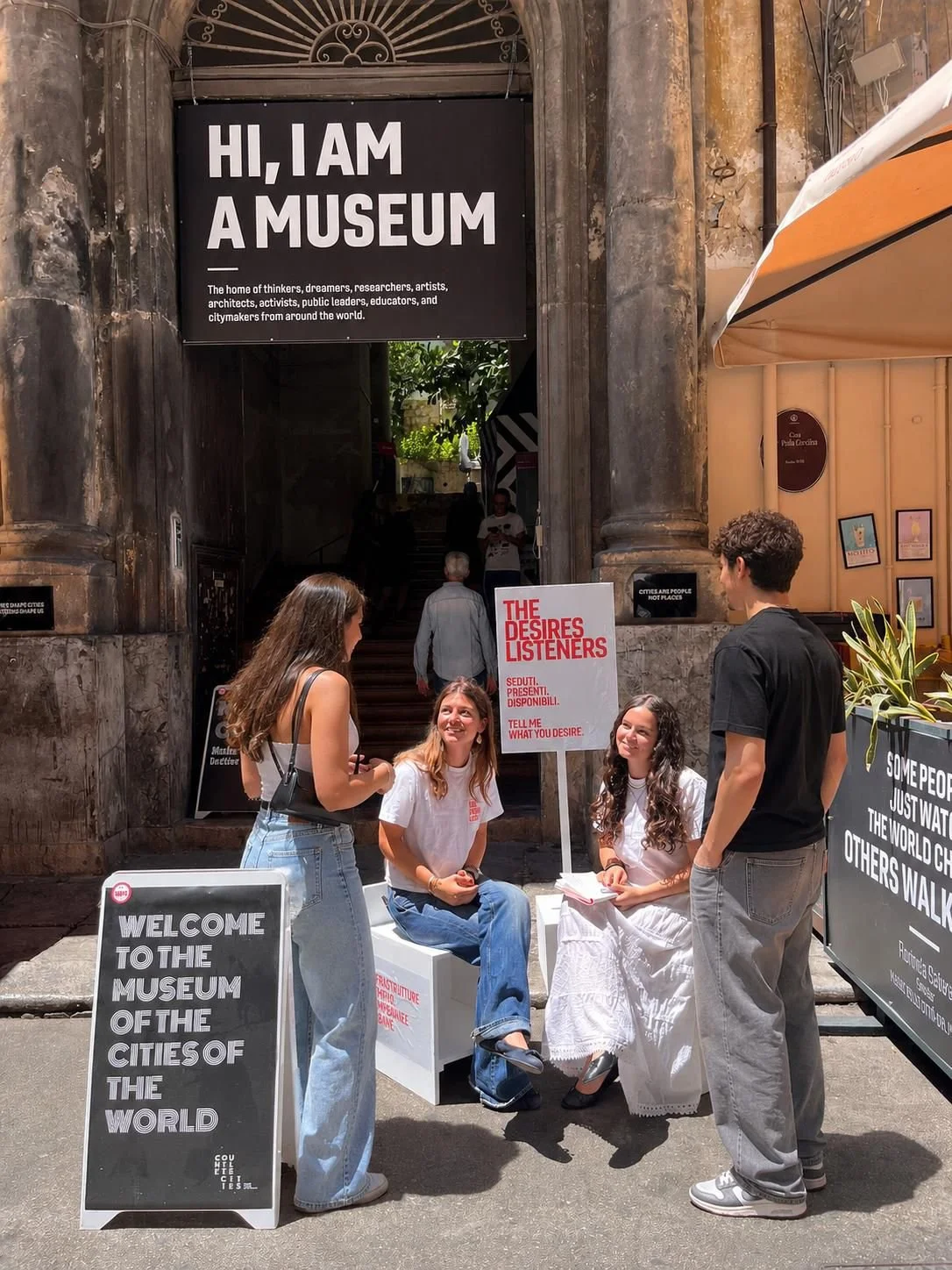
ONE MUSEUM. COUNTLESS CITIES. INFINITE STORIES.
THE NEWEST MUST-SEE CULTURAL DESTINATION IN PALERMO.
AN IMMERSIVE CULTURAL EXPERIENCE EXPLORING HOW CITIES SHAPE OUR LIVES AND OUR FUTURE THROUGH CONTEMPORARY ART, ARCHITECTURE, FILMS AND HUMAN STORIES.
OPEN
TUESDAY–SUNDAY, 10 AM–8 PM
VIA MAQUEDA 206, PALERMO
UNDERSTANDING HUMANITY THROUGH CITIES
POWERED by FARM
CHANGING CITIES SINCE 2010
An international cultural Platform transforming cities through art, architecture, education and community since 2010.
The Museum of the Cities of the World
Countless Cities – Museum of the Cities of the World is an immersive cultural space exploring how cities shape our lives and our future. Through stories, art, architecture, and people, it invites visitors to reflect on today’s most pressing urban challenges, from peace and freedom to human rights and social inclusion. Evolving from Farm Cultural Park’s Countless Cities Biennale, the museum fosters dialogue, imagination, and collective action to inspire more just, creative, and humane cities around the world.
Countless Cities – Museo delle Città del Mondo è uno spazio culturale immersivo che esplora il modo in cui le città plasmano le nostre vite e il nostro futuro. Attraverso storie, arte, architettura e persone, invita i visitatori a riflettere sulle più urgenti sfide urbane del nostro tempo, dalla pace e dalla libertà ai diritti umani e all'inclusione sociale. Nato dall'evoluzione della Biennale Countless Cities di Farm Cultural Park, il Museo promuove il dialogo, l'immaginazione e l'azione collettiva per ispirare città più giuste, creative e umane in tutto il mondo.
EXPLORE THE MUSEUM
In the Convento dei Crociferi on Via Maqueda, just a stone's throw from the Quattro Canti
Cities have always played a central role in human history: they have been the cradle of civilizations, engines of progress, and places of conflicts, dreams, and revolutions. In the past, present, and future, cities represent the mirror of global aspirations, contradictions, and challenges.
Le città hanno sempre svolto un ruolo centrale nella storia dell’umanità: sono state la culla delle civiltà, motori di progresso e luoghi di conflitti, sogni e rivoluzioni. Nel passato, nel presente e nel futuro, le città rappresentano lo specchio delle aspirazioni globali, delle contraddizioni e delle sfide del nostro tempo.
About the Museum
The Museum of the Cities of the World features two main exhibitions, dedicated workshop spaces, Millo's large-scale artistic installation, and immersive installations by MP5, Seb Toussaint, Luca Lagash, and Morgana Orsetta Ghini. It also includes the Knowledge Center of the Cities of the World, a School of Architecture for Children, a dedicated library, and a rich programme of temporary exhibitions and site-specific installations throughout the historic Convent of the Crociferi. Don't miss the Palermo Pavilion, an exhibition spread across the city that invites you to discover Palermo through the places, stories, and communities of its new citizens, who have arrived from every corner of the world.
Il Museo delle Città del Mondo è articolato in due mostre principali con spazi dedicati a workshop, una grande installazione artistica di Millo, ed ancora installazioni artistiche immersive di MP5, Seb Toussaint, Luca Lagash e Morgana Orsetta Ghini, un Knowledge Center delle Città del Mondo, una Scuola di Architettura per bambini, e una biblioteca dedicata, oltre a mostre e installazioni temporanee diffuse in tutti gli spazi del Convento dei Crociferi. Inoltre vieni a scoprire il Padiglione di Palermo, diffuso nella città, nei luoghi in cui sono presenti le comunità di nuovi cittadini di Palermo provenienti da ogni parte del Mondo.
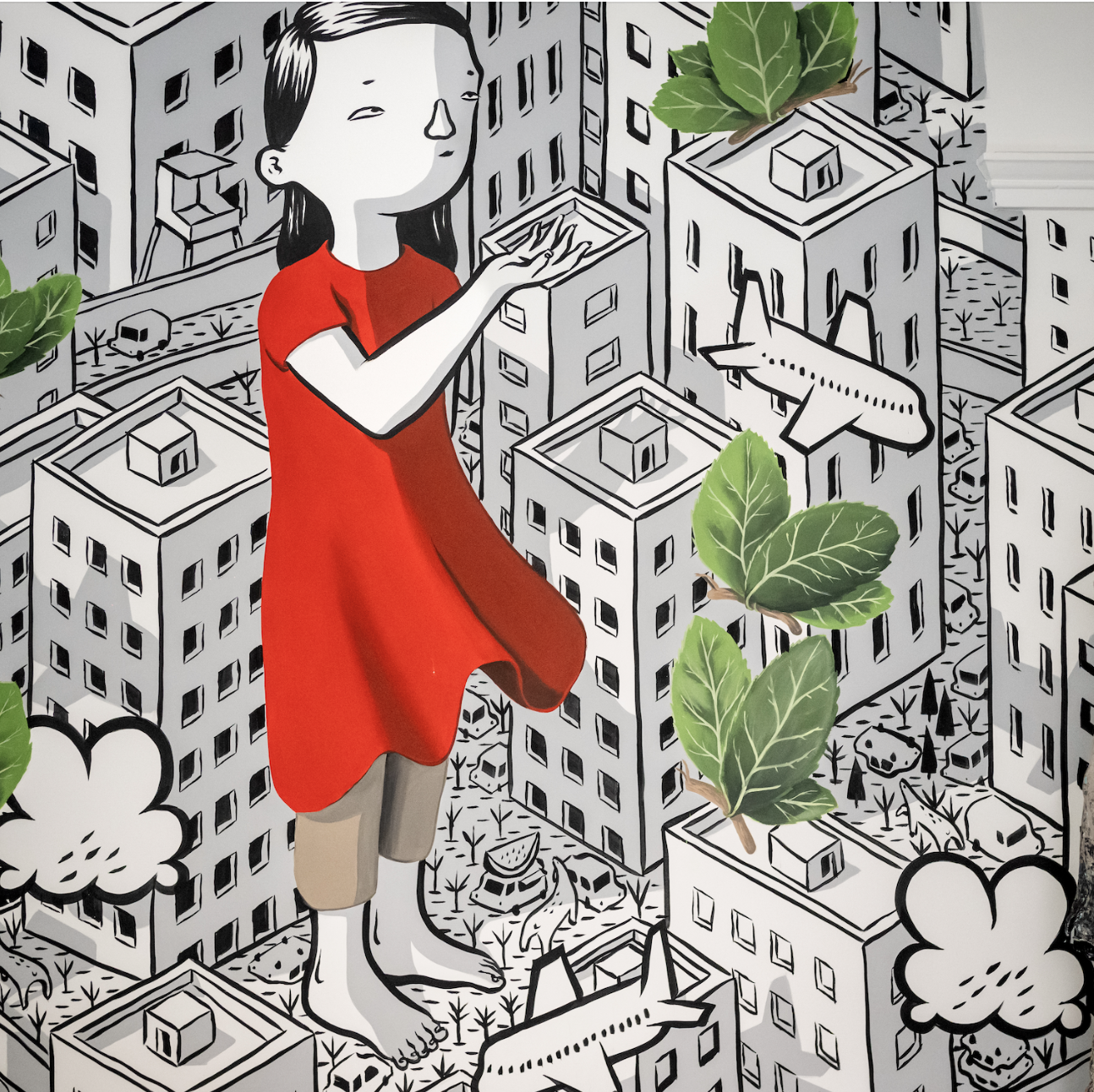
Artist Activations
Permanent and temporary artworks transform the Museum into a living space for imagination, dialogue and collective experience.
Opere permanenti e temporanee trasformano il Museo in uno spazio vivo di immaginazione, dialogo ed esperienza collettiva.
Two main Exhibitions
Livable Cities require Peace, Freedom, and Rights
This exhibition invites a collective reflection on the devastating consequences of war, lack of freedom, and the violation of human rights in today's cities. In the face of conflicts in Ukraine, the Middle East, and many other parts of the world, cities do not only die under bombs, but also under the weight of oppression and social injustice.
Questa mostra invita a una riflessione collettiva sulle conseguenze devastanti della guerra, della mancanza di libertà e della violazione dei diritti umani nelle città di oggi. Di fronte ai conflitti in Ucraina, in Medio Oriente e in molte altre parti del mondo, le città non muoiono solo sotto le bombe, ma anche sotto il peso dell’oppressione e dell’ingiustizia sociale.
A Platform for Change
Cities change because people make them change.
Cities are complex places, constantly evolving, where life stories intertwine, and urban challenges manifest in daily realities. Each city has its own identity, its own soul, responding to a multitude of needs, dreams, and expectations. But what makes a city truly successful? What makes it a desirable place to live, work, and grow?
Le città sono luoghi complessi, in continua evoluzione, dove le storie di vita si intrecciano e le sfide urbane si manifestano nella quotidianità. Ogni città possiede una propria identità, una propria anima, e risponde a una molteplicità di bisogni, sogni ed aspettative. Ma che cosa rende davvero una città di successo? Che cosa la rende un luogo desiderabile in cui vivere, lavorare e crescere?
Visitors' Voices
This is genuinely one of the most inspiring museums I have been to. Showcasing the work of both local and international artists to create a truly thought provoking exhibition on the themes of cities, human rights and above all change, has really made me rethink my environment.
— Camille JonchereThis museum is amazing! It's located in an old convent, so the place is absolutely magnificent. The exhibitions are fascinating, covering everything from war and climate change to the work of local and international artists. There's genuinely something for everyone, and you leave feeling like you've actually learned something, and inspired to make more of an impact on the world!
— Thea Adam
Colgo la missione del Museo, forte e chiara: attivare un’opinione pubblica distratta, sostenere l’arte e quegli artisti che hanno voglia di raccontare cosa succede davvero, attivare le ragazze e i ragazzi, scuoterli con immagini, suoni, voci, artefatti potenti per tentare di cambiare la rotta. Non arrendersi alle guerre come normalità, al cambiamento climatico, alle diseguaglianze.
— Paolo GrigolliFIBRA Pavilion
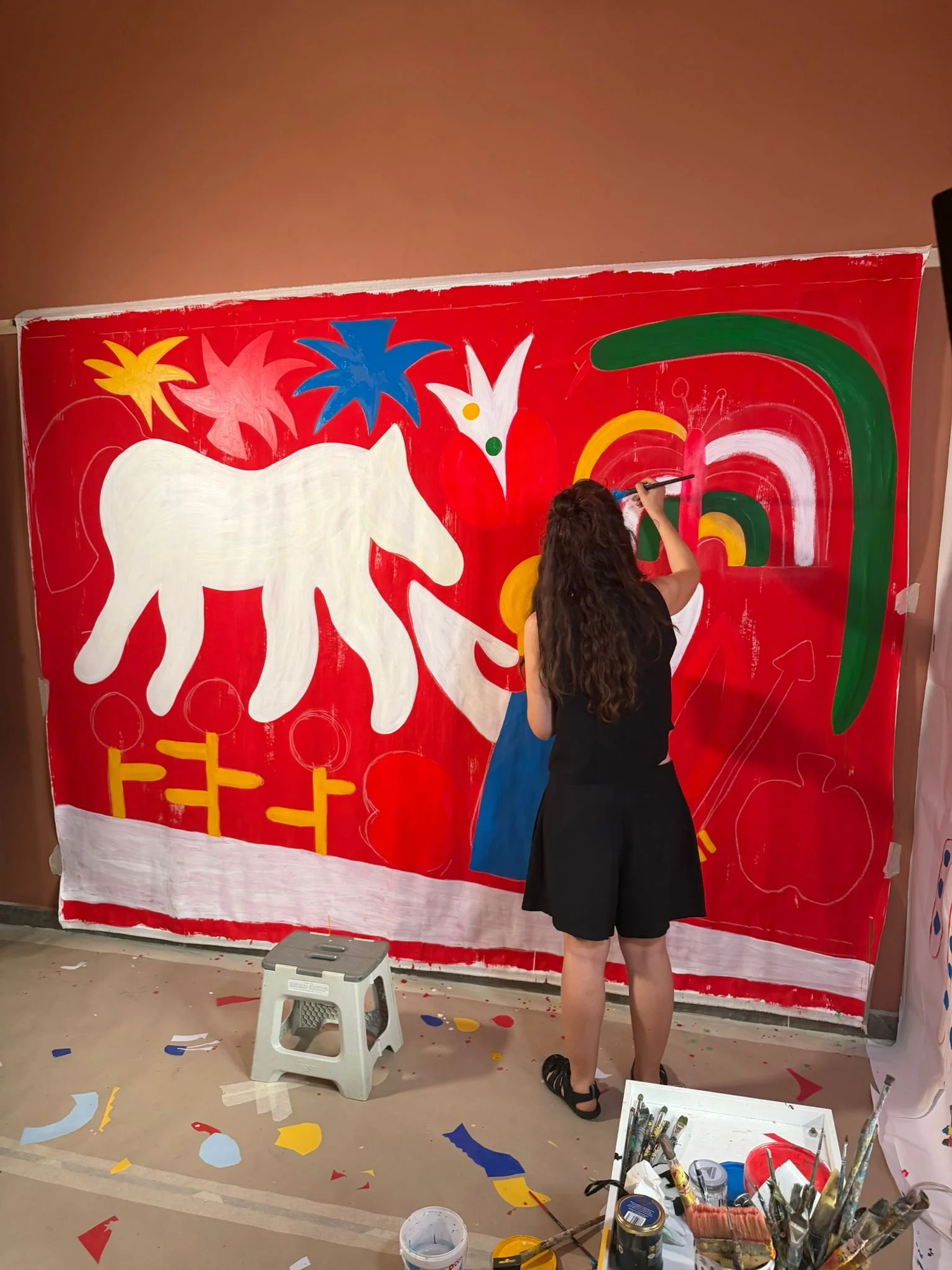
Fibra Pavilion is a space dedicated to contemporary artistic research and experimentation within the Museum of the Cities of the World. Every two months, Fibra curates the selection and residency of an artist invited to develop a site-specific project in dialogue with the museum, the city of Palermo, and the major challenges of our time.
Padiglione Fibra è uno spazio dedicato alla ricerca e alla sperimentazione artistica contemporanea all'interno del Museo delle Città del Mondo. Ogni due mesi, Fibra cura la selezione e la residenza di un artista invitato a sviluppare un progetto site-specific in dialogo con il museo, la città di Palermo e le grandi questioni del nostro tempo.
We collect Stories of Cities…
…and people of the world!
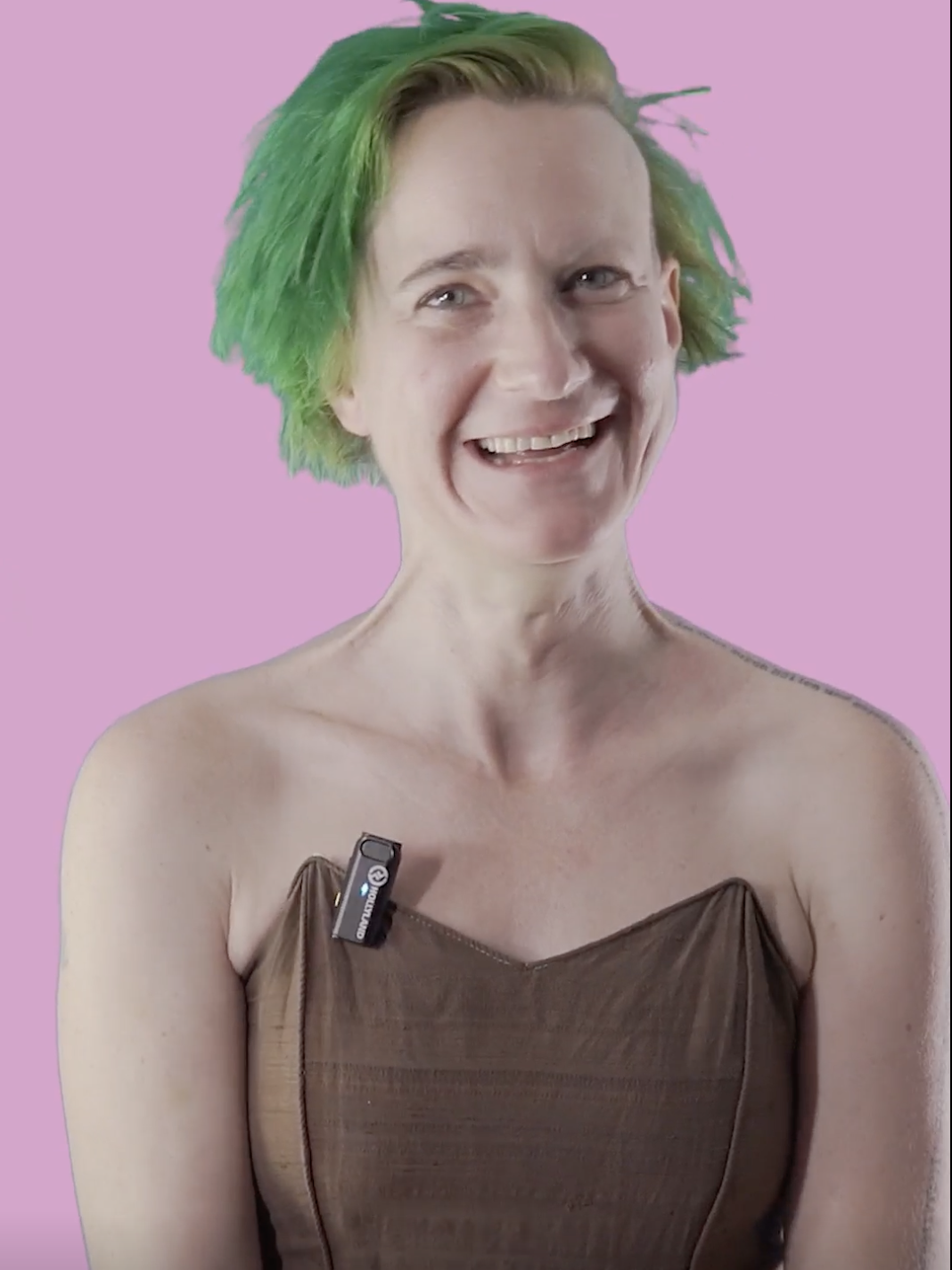
Padiglione Palermo
Museo delle Città del Mondo Diffuso
Discover Palermo through the city’s new inhabitants.
Museo delle Città del Mondo diffuso
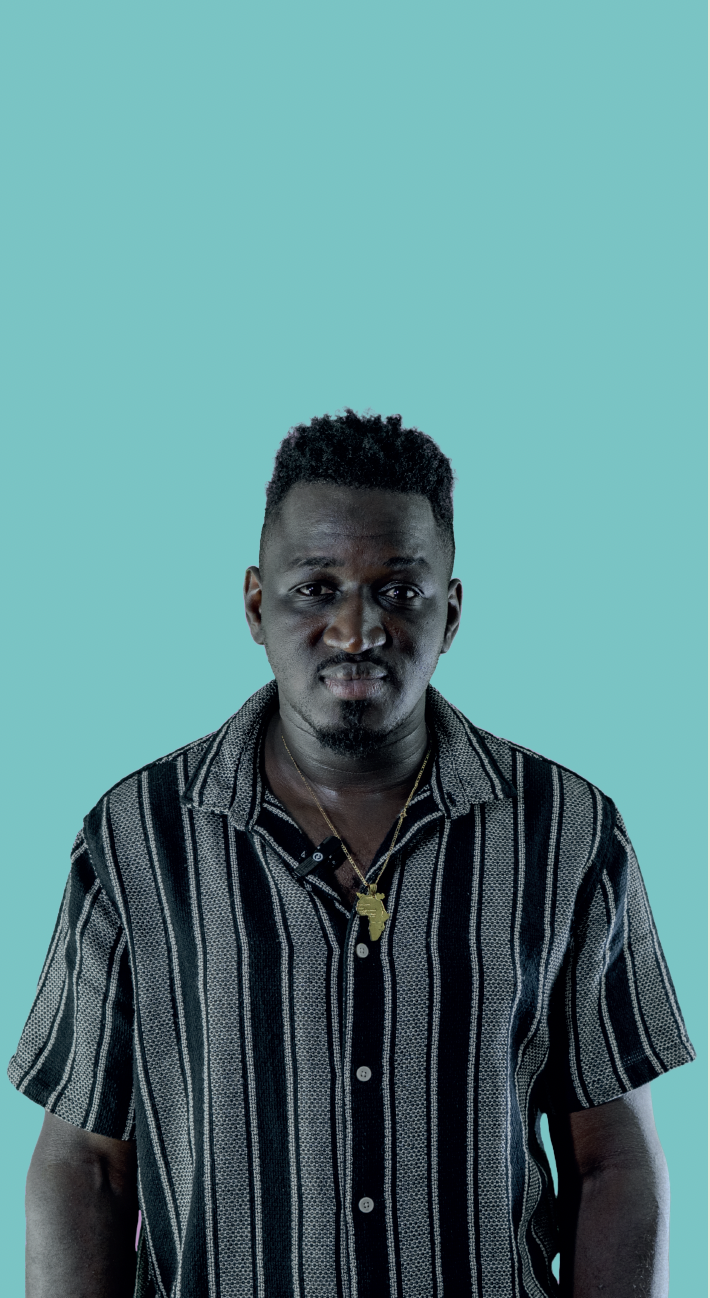
Bandiougou Diwara - Bamako
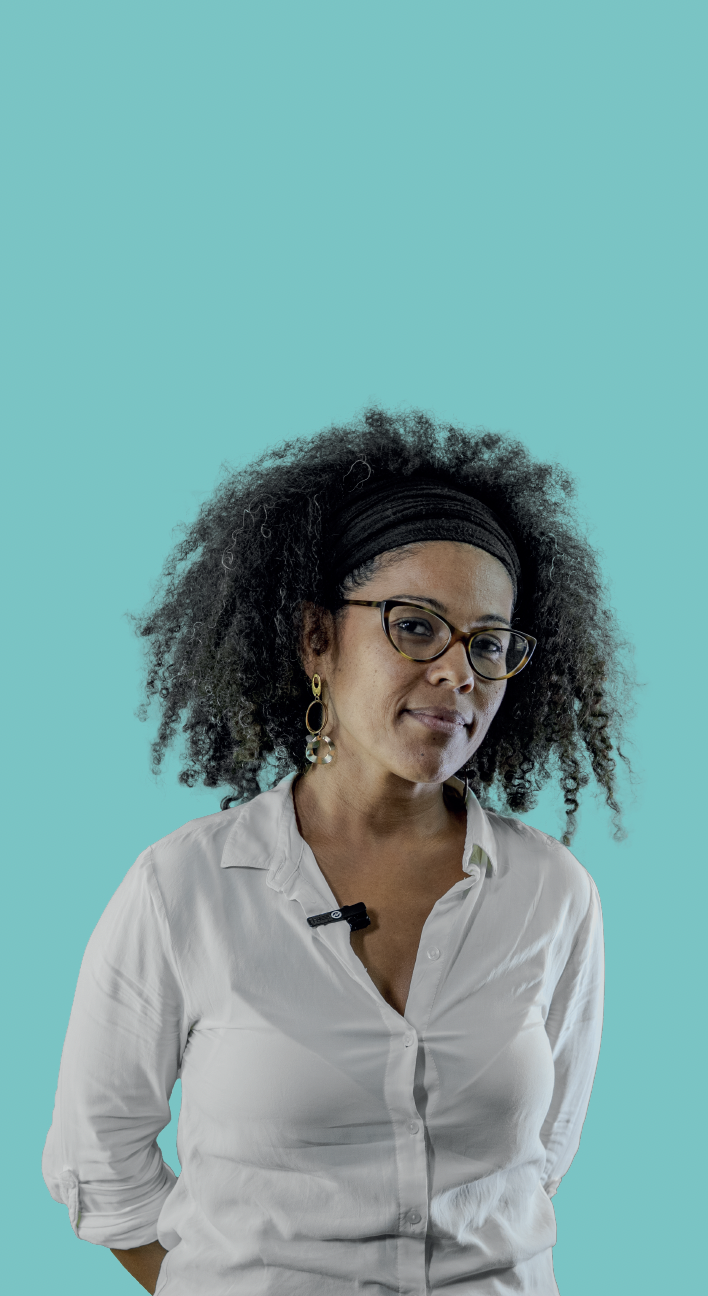
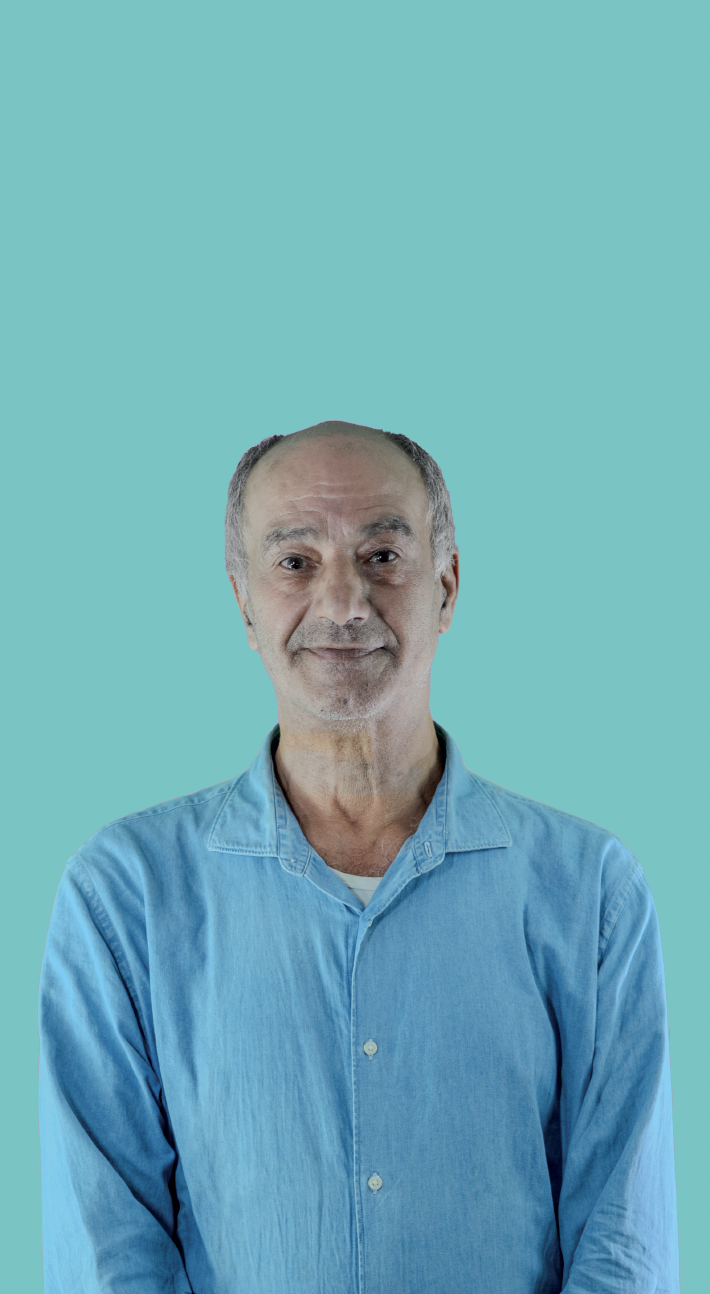
Fateh Hamdan - Tulkarm
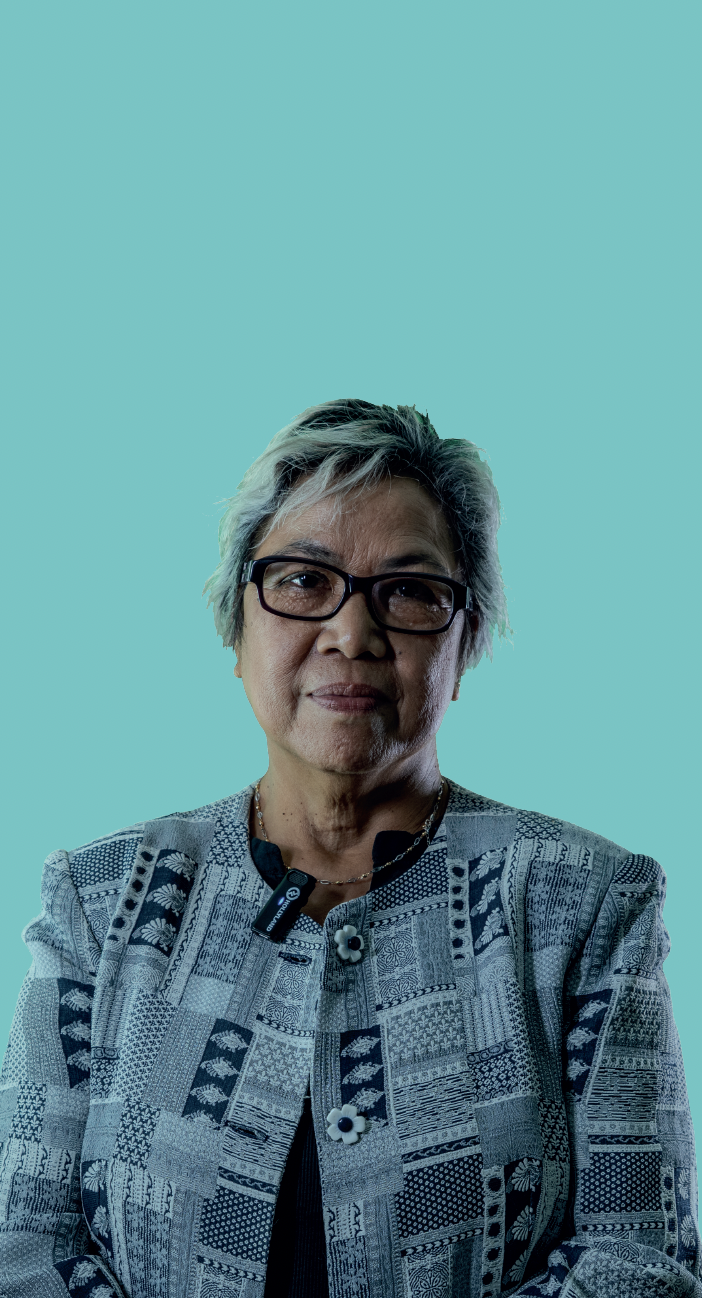
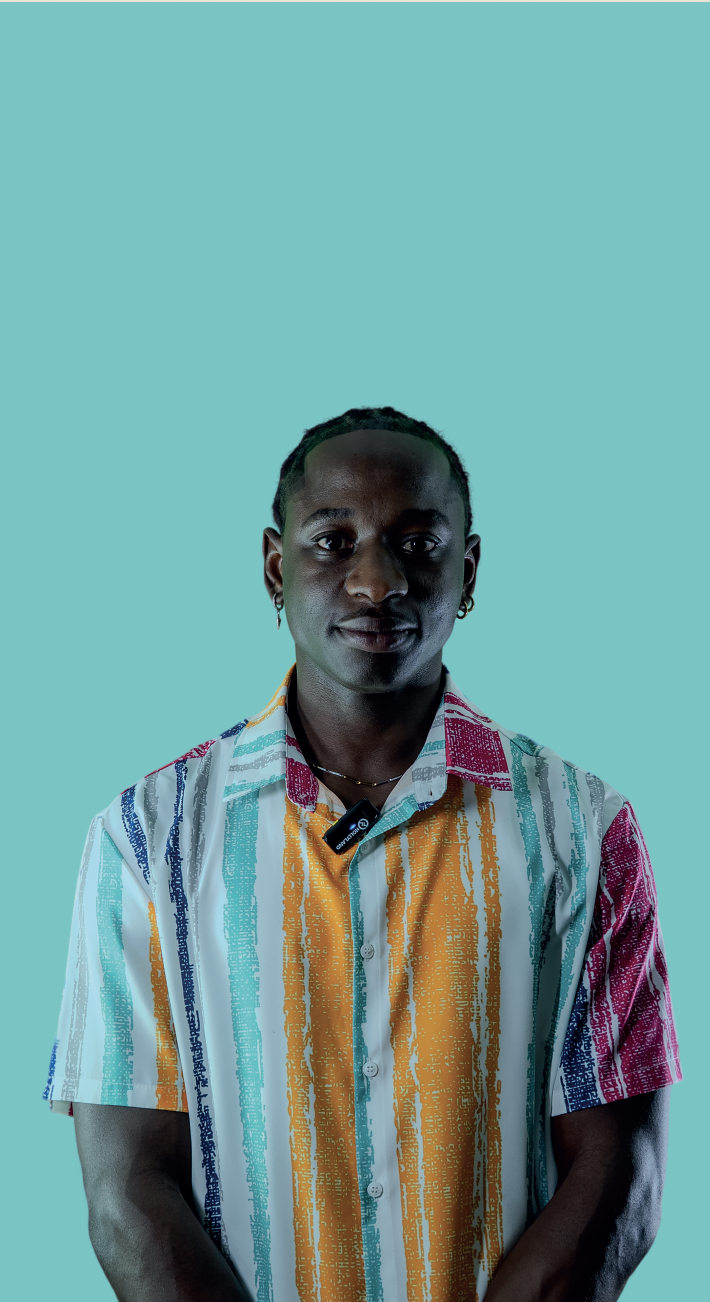
Abdoulie Manjang - Brikama
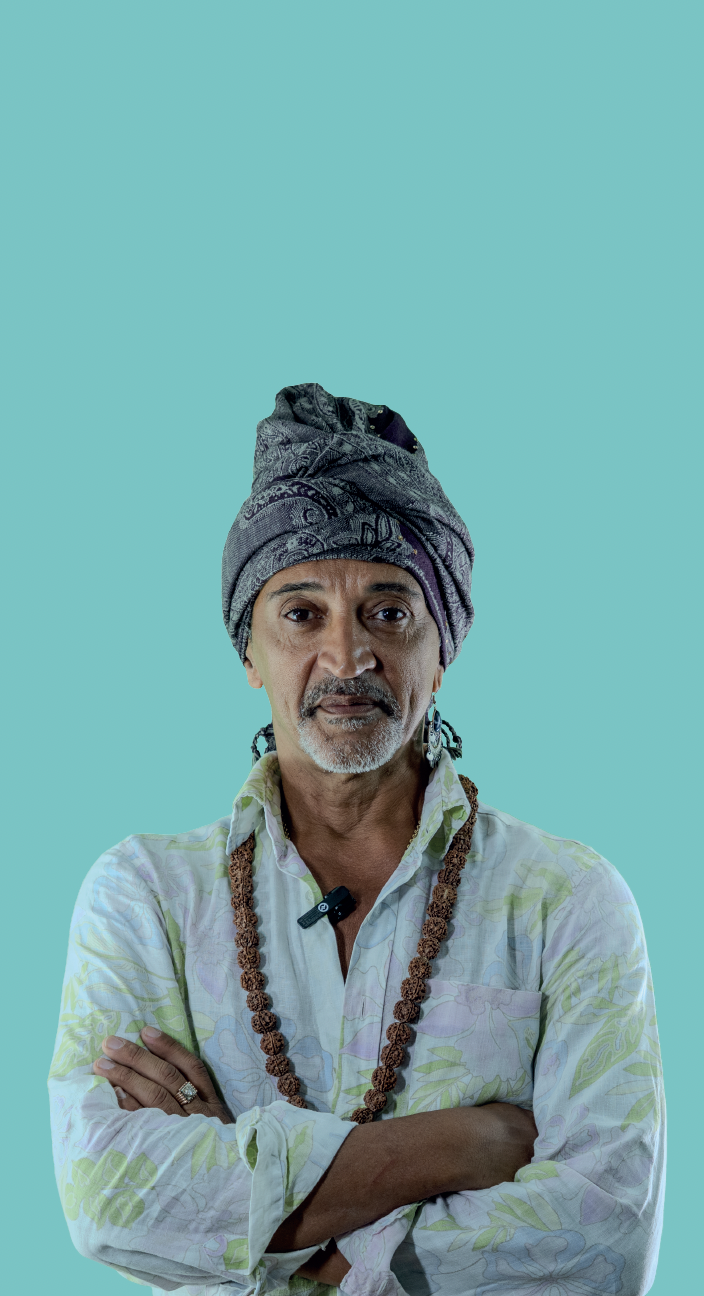
Edimar Macedo Costa - Utinga
Yolanda Cayanan - Pampan
Jerusa Da Conceicao Barros - Espargos
The Palermo Pavilion represents the urban dimension of the Museum of the Cities of the World, extending the museum experience into the city itself. It proposes an open and distributed museum model, where Palermo becomes part of the cultural experience: a living city shaped by communities, cultures, memories, and continuous transformations. Through a journey connecting cultural spaces, social realities, civic hubs, and communities from around the world, the Pavilion creates a map of contemporary Palermo, revealing its complexity and its connections with other global cities. The experience combines urban exploration with augmented reality content, allowing visitors to discover stories, voices, and visions from the people who live in and transform the city every day. In this way, the city itself becomes an open-air museum: a dynamic space where heritage, communities, and social change continuously coexist and interact.
Il Padiglione Palermo rappresenta la dimensione urbana del Museo delle Città del Mondo e porta il museo fuori dai suoi spazi fisici, dentro la città. Propone un museo aperto e diffuso, in cui Palermo diventa parte stessa dell’esperienza culturale: una città viva, attraversata da comunità, culture, memorie e trasformazioni continue. Attraverso un percorso tra luoghi culturali, realtà sociali, spazi civici e comunità del mondo, il Padiglione costruisce una mappa della Palermo contemporanea, raccontandone la complessità e le connessioni con altre città globali. L’esperienza unisce esplorazione urbana e contenuti in realtà aumentata, permettendo ai visitatori di ascoltare storie, testimonianze e visioni delle persone che vivono e trasformano la città ogni giorno. La città diventa così un museo a cielo aperto: uno spazio dinamico dove patrimonio, comunità e cambiamento convivono e dialogano continuamente.
Countless Cities Knowledge Center
The Countless Cities Knowledge Center is a place for learning, research, and experimentation on the cities of the world. Built above the World Cities Museum, it transforms knowledge into action and ideas into urban practice. It is dedicated to city makers who believe that cities are collective, evolving systems, and that shared knowledge can shape more inclusive and conscious urban futures.
Il Countless Cities Knowledge Center è uno spazio di formazione, ricerca e sperimentazione dedicato alle città del mondo. Situato sopra il Museo delle Città del Mondo, trasforma la conoscenza in azione e le idee in pratiche urbane. È pensato per city makers che credono nelle città come sistemi collettivi e in continua evoluzione, e nella conoscenza condivisa come strumento di cambiamento.
EDUCATION
SOU | School of Architecture for Children
SOU | School of Architecture for Children is an international educational project that encourages children to imagine and design more beautiful, inclusive, and sustainable cities. Its immersive all-blue pavilion is a space dedicated to creativity, dreams, and the transformative power of imagination.
SOU | School of Architecture for Children è un progetto educativo internazionale che invita bambini e bambine a immaginare e progettare città più belle, inclusive e sostenibili. Il suo padiglione immersivo, interamente azzurro, è uno spazio dedicato alla creatività, ai sogni e al potere trasformativo dell'immaginazione.
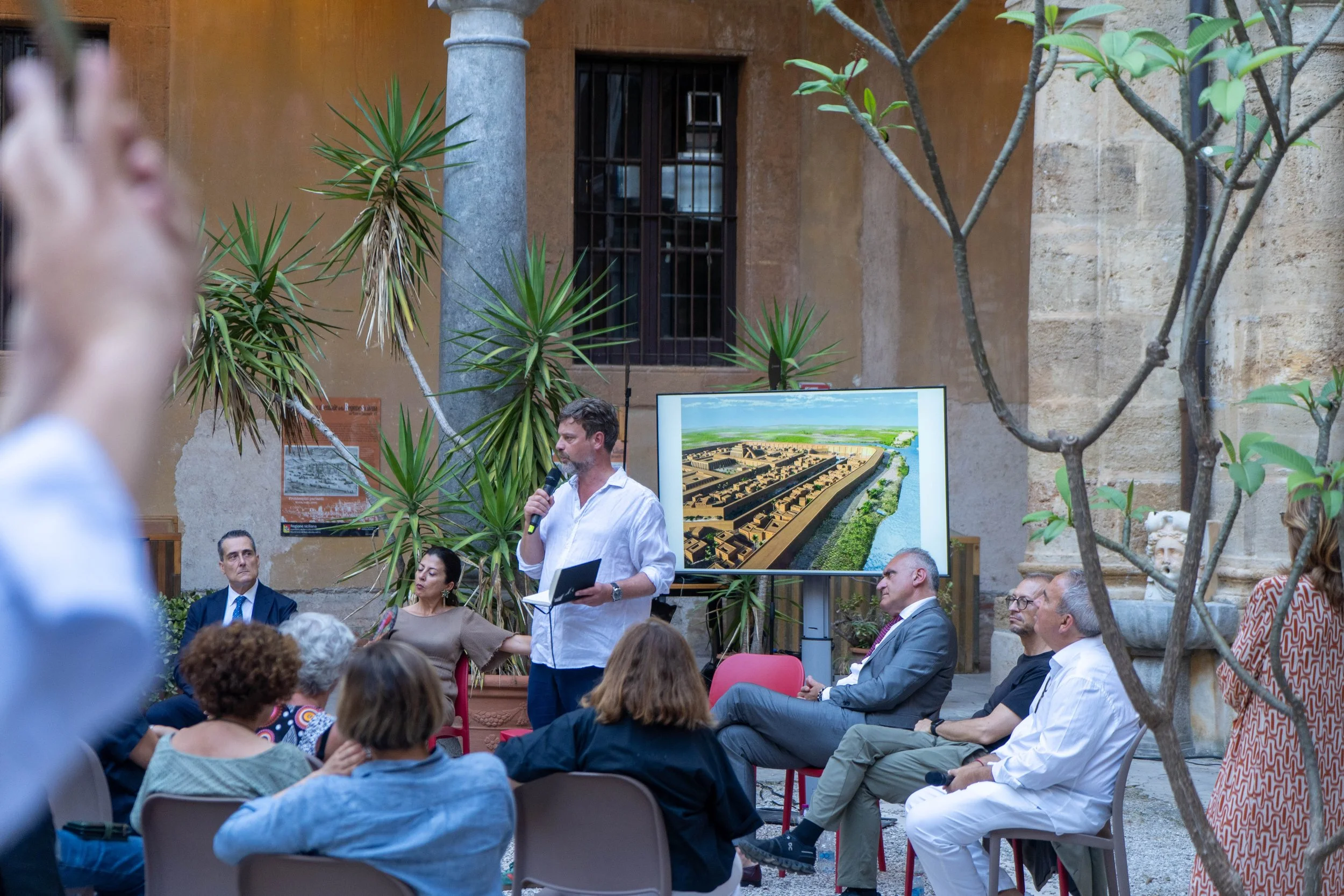
"Cities are the greatest invention in human history" Ben Wilson
People & Institutions for Change
This section is dedicated to the people, public and private institutions, organizations, companies, and communities that choose to support the Museum of the Cities of the World and its cultural, educational, and social mission. A network of alliances, relationships, and shared visions that helps make possible, every day, a space devoted to imagination, dialogue between cultures, human rights, and the construction of more human, inclusive, and vibrant cities.
Questa sezione è dedicata alle persone, alle istituzioni pubbliche e private, alle organizzazioni, alle aziende e alle comunità che scelgono di sostenere il Museo delle Città del Mondo e la sua missione culturale, educativa e sociale. Una rete di alleanze, relazioni e visioni condivise che contribuisce ogni giorno a rendere possibile uno spazio dedicato all’immaginazione, al dialogo tra culture, ai diritti umani e alla costruzione di città più umane, inclusive e vive.
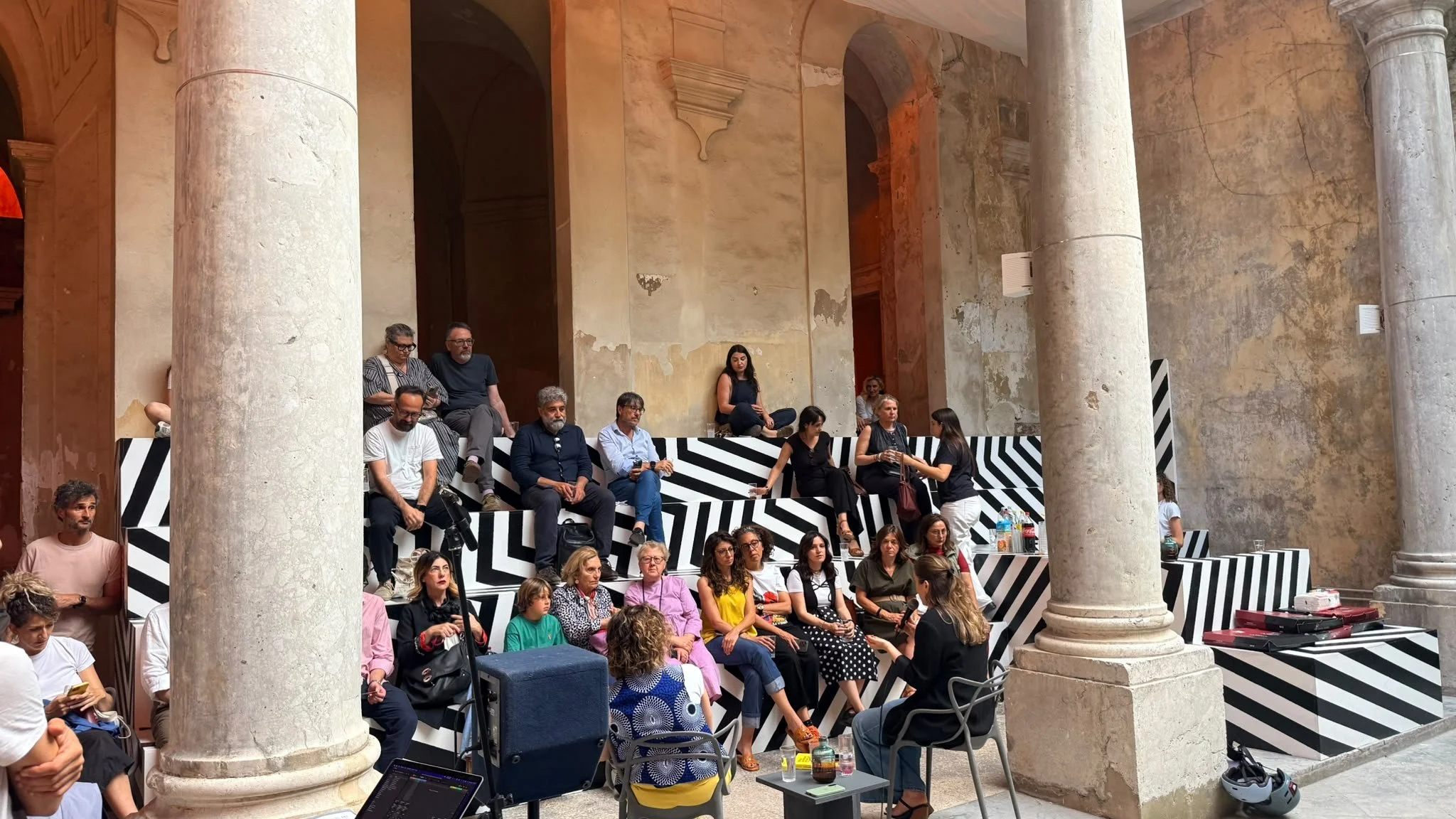
Support a museum that connects cities, cultures and communities.
Seguici sui social | Follow us on social.
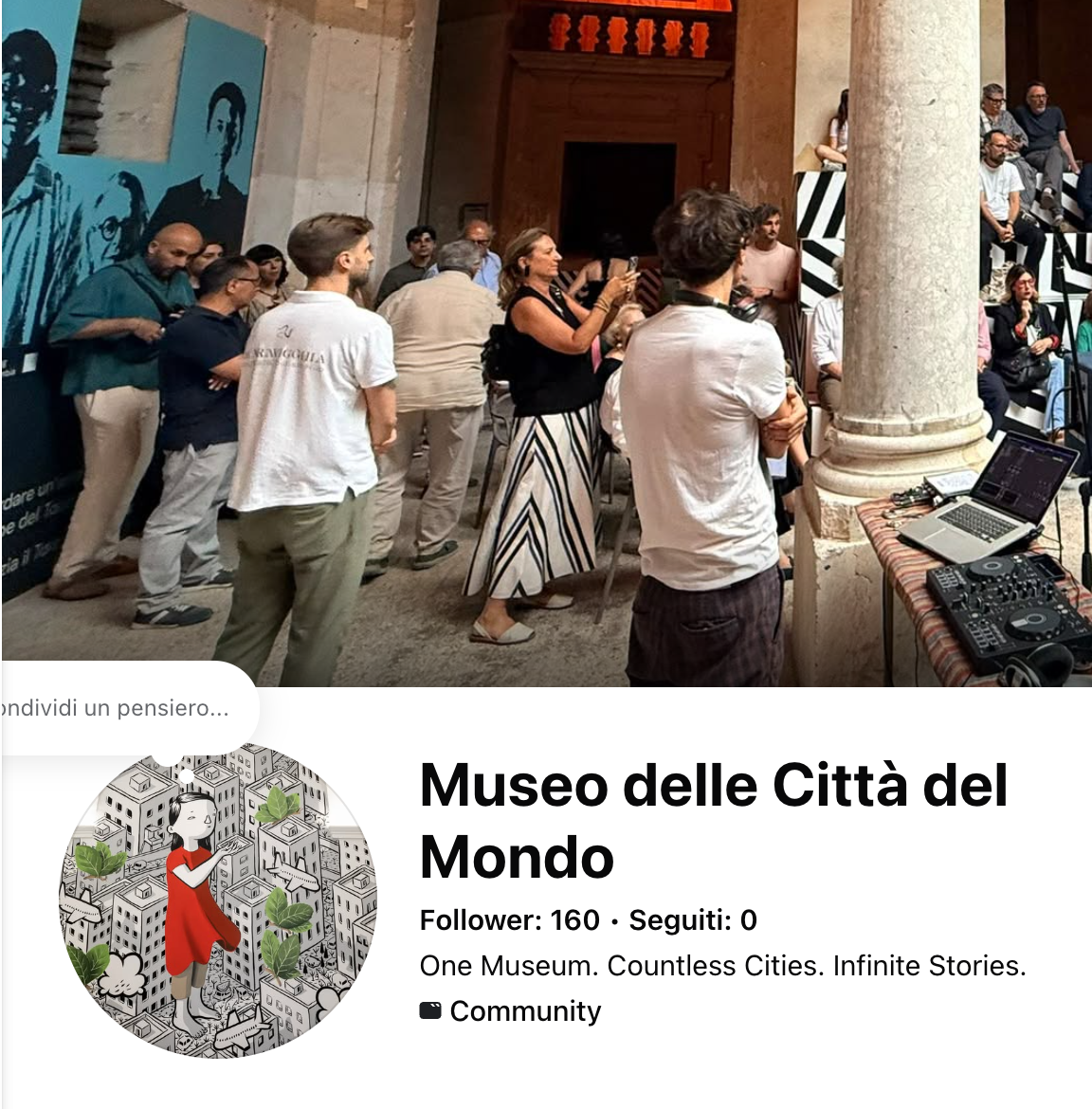
Cities are not places. They are people.
Join our community to receive exhibitions, events, and stories from the people imagining better cities around the world.
Unisciti alla nostra comunità per ricevere aggiornamenti su mostre, eventi e storie delle persone che stanno immaginando città migliori in tutto il mondo.