Laboratories of New Worlds
COUNTLESS CITIES 2023
THIRD EDITION
Can cities become laboratories for alternative ways of living?
The third edition of Countless Cities explored communities, places and practices that challenge conventional ideas of urban life. From Indigenous knowledge and environmental responsibility to intentional communities, cultural identity and the aspirations of younger generations, the Biennial travelled through different ways of imagining and inhabiting the world.
From Jabiru and Auroville to Arcosanti, Seoul, Pyongyang, Yazd and Chabahar, each pavilion offered a possible direction towards more human, inclusive and sustainable futures.
THIRD EDITION
22 CITIES, PLACES AND COMMUNITIES
16 COUNTRIES
5 CONTINENTS
The third edition explored intentional communities and experimental settlements, Indigenous knowledge and our relationship with nature, the aspirations of younger generations, and the ways migration and memory shape collective identities. Four interconnected perspectives for questioning inherited models and imagining more inclusive, peaceful and sustainable ways of living together.
UTOPIAS AND INTENTIONAL COMMUNITIES
INDIGENOUS KNOWLEDGE AND NATURE
IDENTITY, MIGRATION AND MEMORY
YOUNG PEOPLE AND POSSIBLE FUTURES
EXPLORE THE PAVILIONS
ARCOSANTIUnited States · AUROVILLEIndia · CAIROEgypt · CHABAHARIran · ISTANBULTürkiye · JABIRUAustralia · LONDONUnited Kingdom · MARSEILLEFrance · PARISFrance · PIANOSAItaly · PORTOPortugal · PYONGYANGNorth Korea · RIESIItaly · ROMEItaly · SEOULSouth Korea · TAIPEITaiwan · THUNSwitzerland · TURINItaly · VANCOUVER ISLANDCanada · YAZDIran · ZURICHSwitzerland
Arcosanti — United States
How Do You Live in a Utopia?
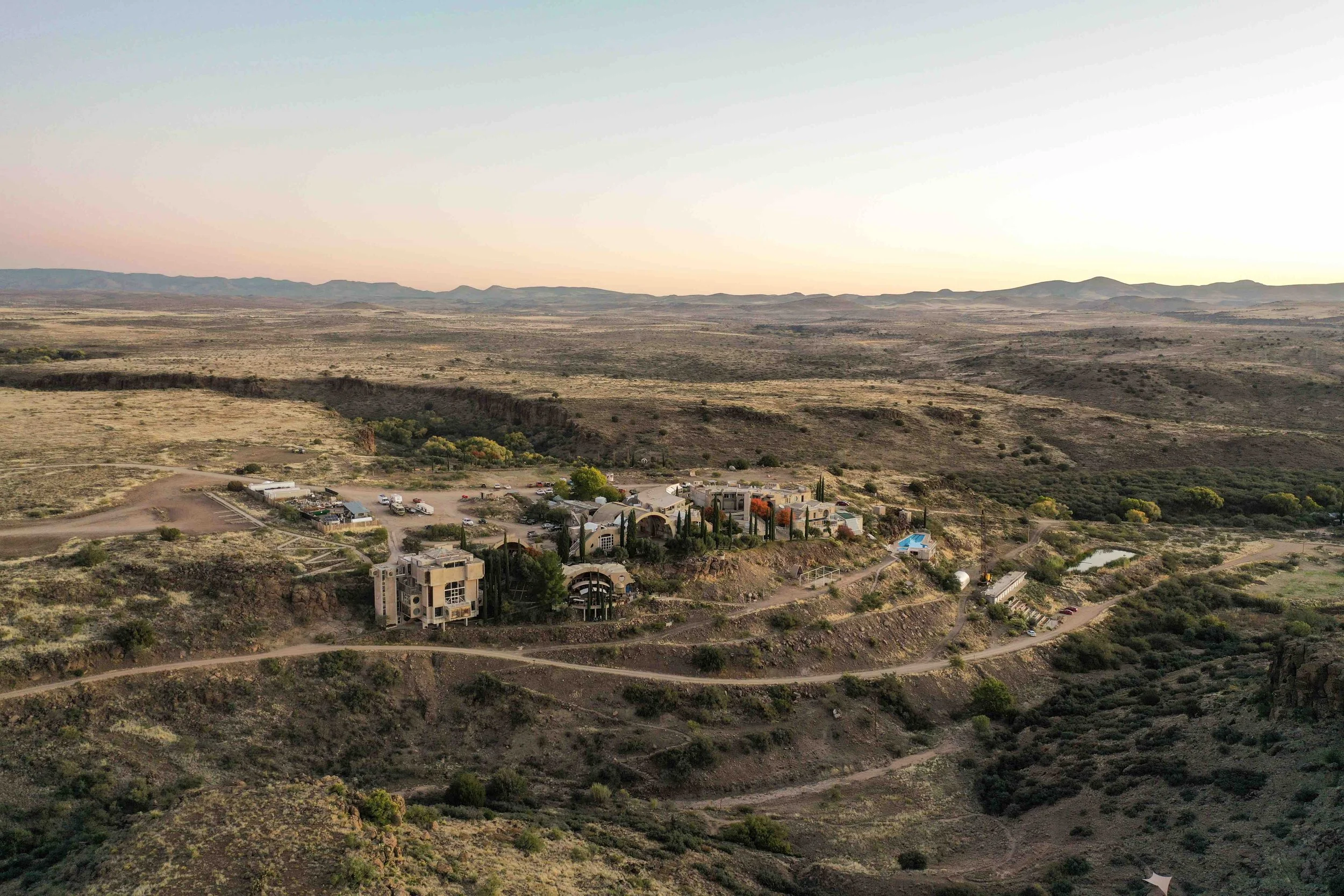
Founded by Italian architect Paolo Soleri in the Arizona desert, Arcosanti is one of the twentieth century’s most radical experiments in alternative urbanism. Through a personal journey shared by a father and son, the project asks what remains of its original vision and why only a small part of the city was ever completed. Is Arcosanti an unfinished failure or a living dream that continues to inspire new generations?
Project and curatorship: Vittorio Bongiorno
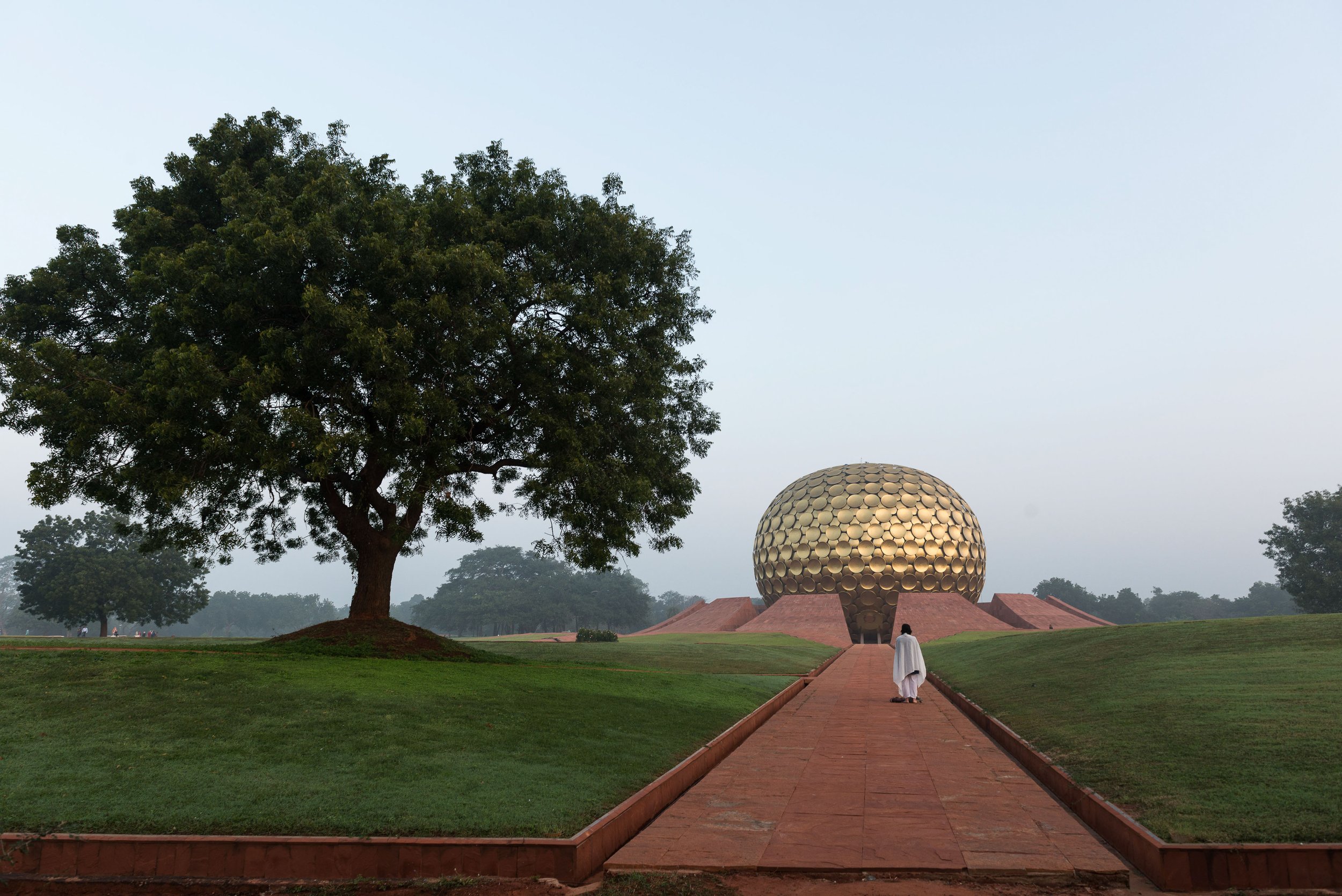
Auroville — India
A City for Human Unity
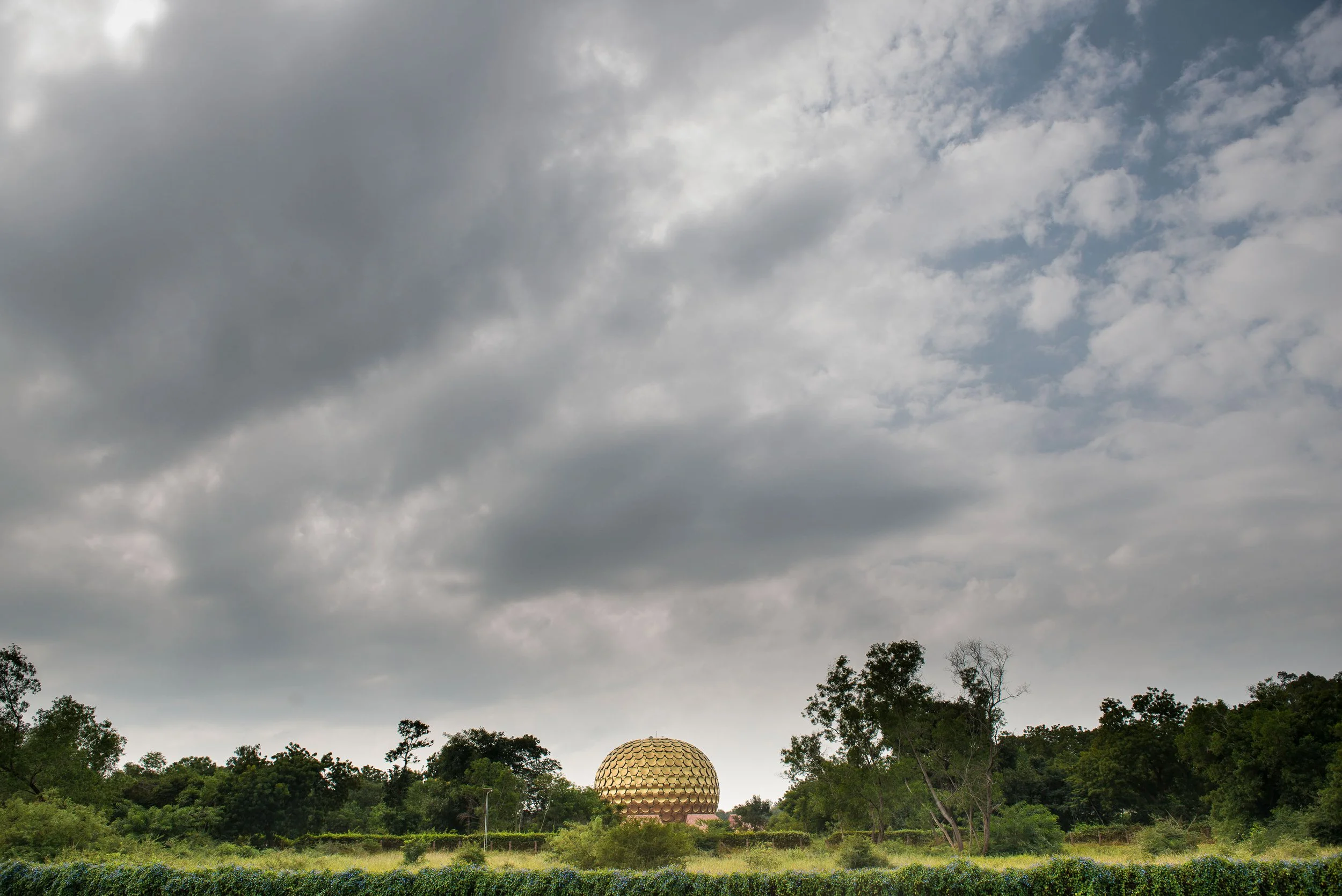
Founded in 1968, Auroville was conceived as an international community where people from different cultures could live together beyond nationality, religion and politics. Its experimental architecture, collective practices and relationship with the environment continue to question conventional ideas of property, work and belonging. The project explores Auroville not as a perfect society, but as an evolving laboratory for human unity and alternative ways of living.
Photography and curatorship: Carlo Bevilacqua
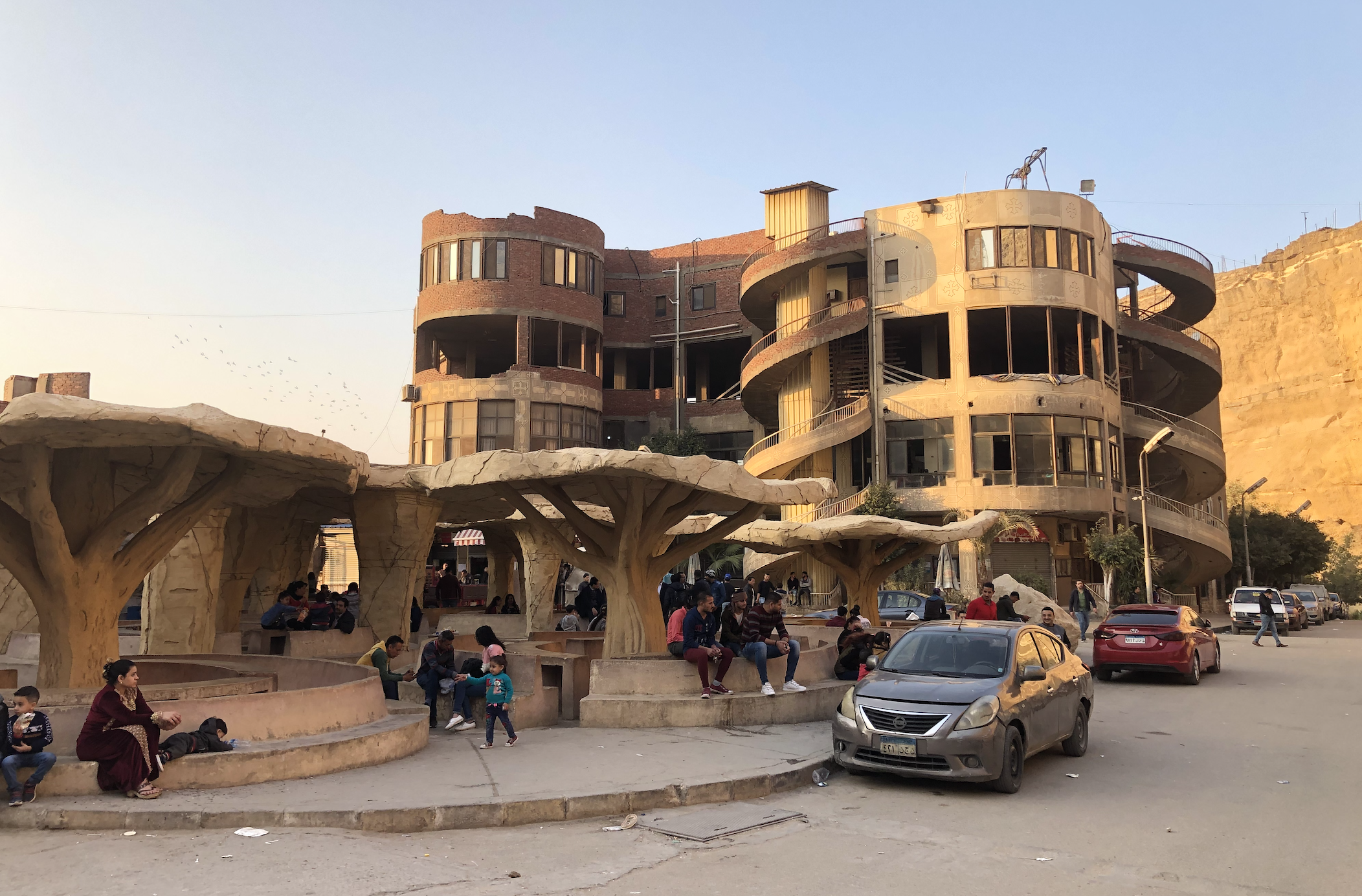
Cairo Through Mosa One
The Cairo Pavilion presents the city through the work of Mosa Keshk, known as Mosa One, a young Italian-Egyptian urban artist. His visual language moves between personal memory, cultural identity and the energy of one of the world’s most complex metropolises. Through his perspective, Cairo becomes a city of contrasts, movement and overlapping histories, shaped by the continuous dialogue between its ancient heritage and contemporary forms of expression.
Cairo — Egypt
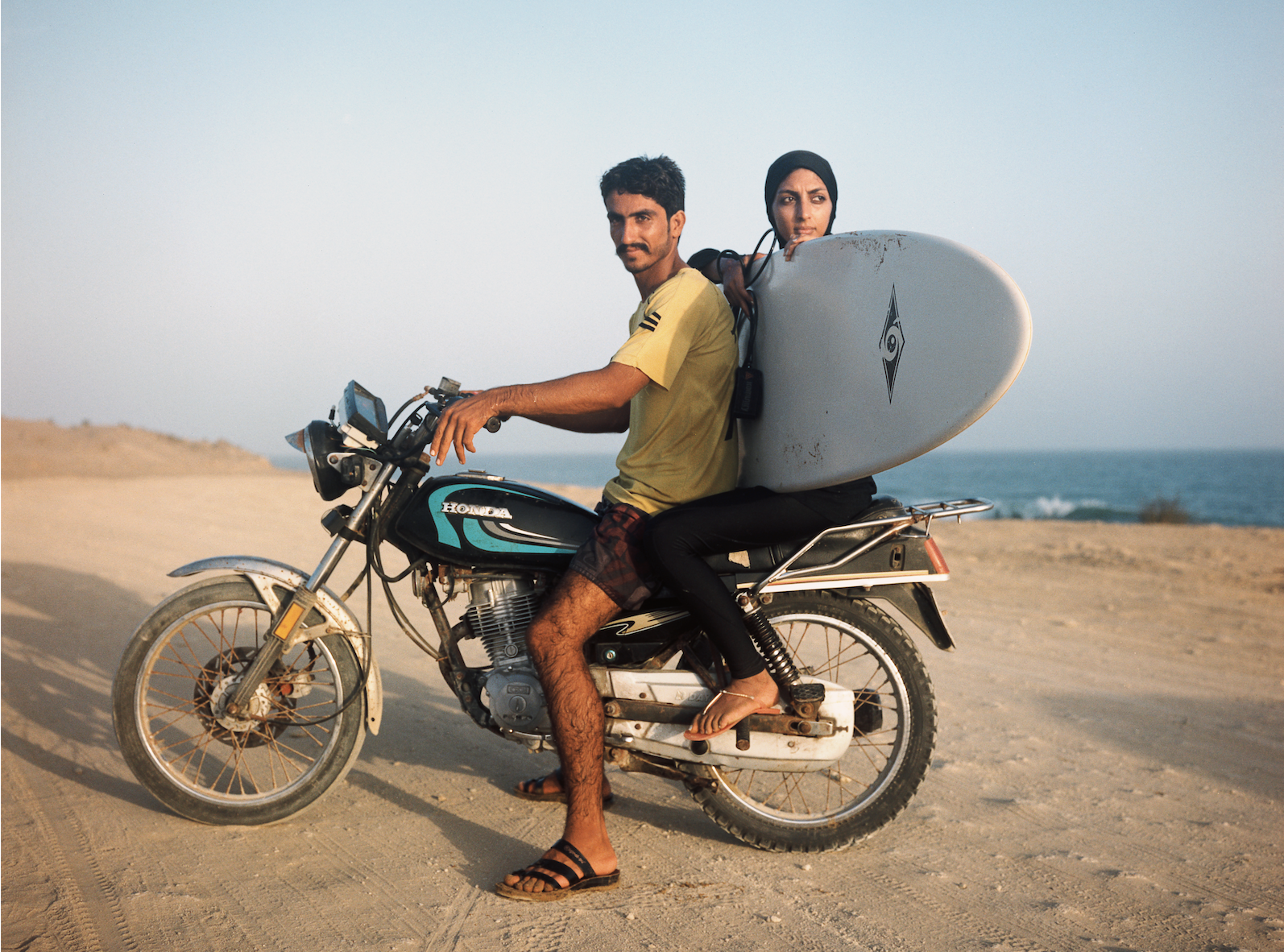
Chabahar — Iran
The City and Desire
In the port city of Chabahar, overlooking the Gulf of Oman, Shahla Yasini became Iran’s first female surfer and helped introduce surfing to a new generation. Her encounter with Irish surfer Easkey Britton led them to the waves of Ramin Bay, where a new community began to emerge. Originally shot on film, Giulia Frigieri’s photographs capture the graceful vitality of Chabahar’s young surfers and the sea as a space of freedom, possibility and change.
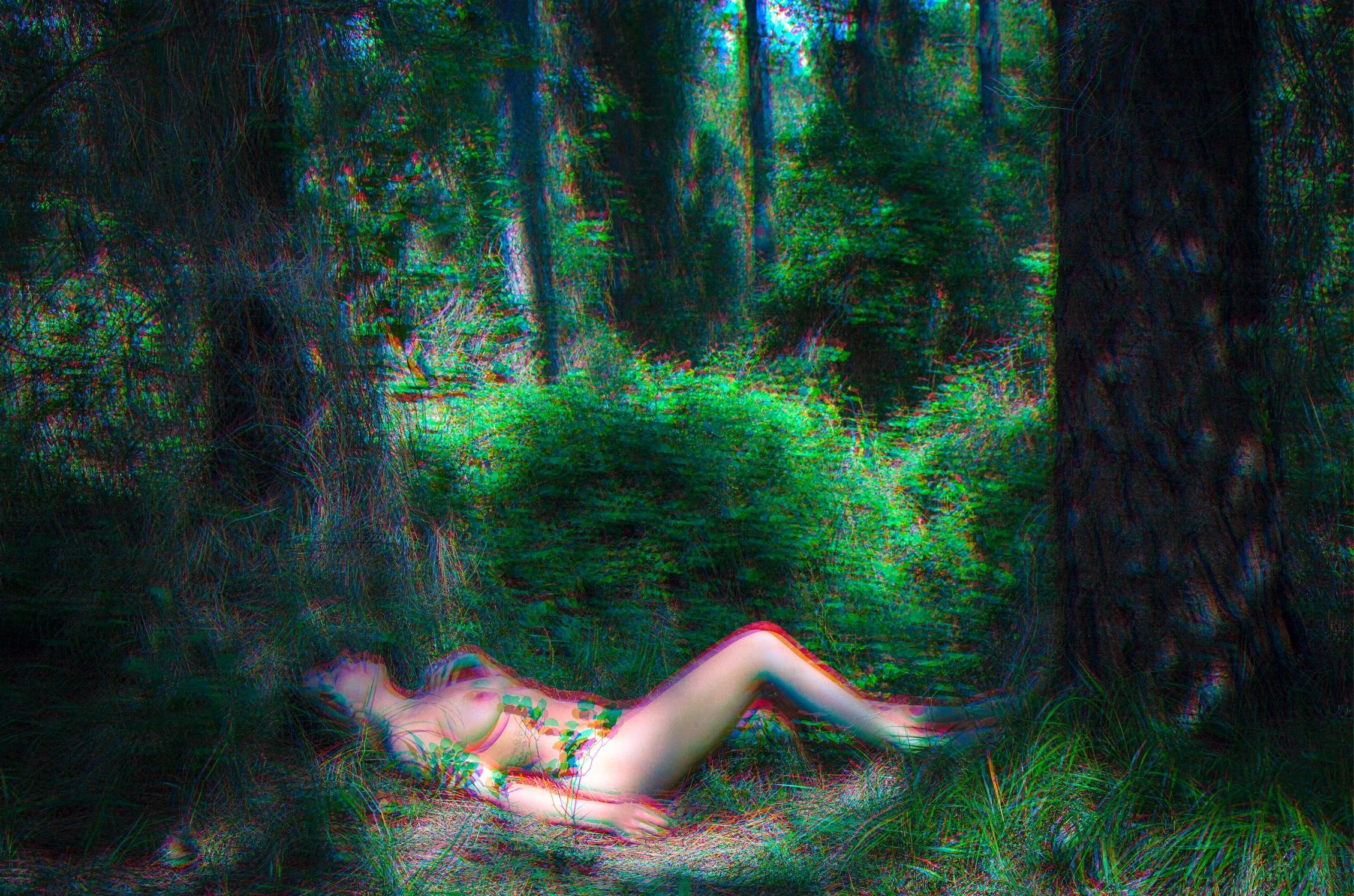
Istanbul — TÜRKİYE
The Istanbulite
What does it mean to belong to Istanbul? Suspended between Europe and Asia, the city has been shaped by centuries of encounters, migrations and cultural exchange. The Pavilion explores the identity of the “Istanbulite” through the historical and social layers that have made Istanbul the “apple of the Orient.” Rather than offering a single portrait, it reveals a plural city whose identity is continually rewritten by its people, languages, memories and contradictions.
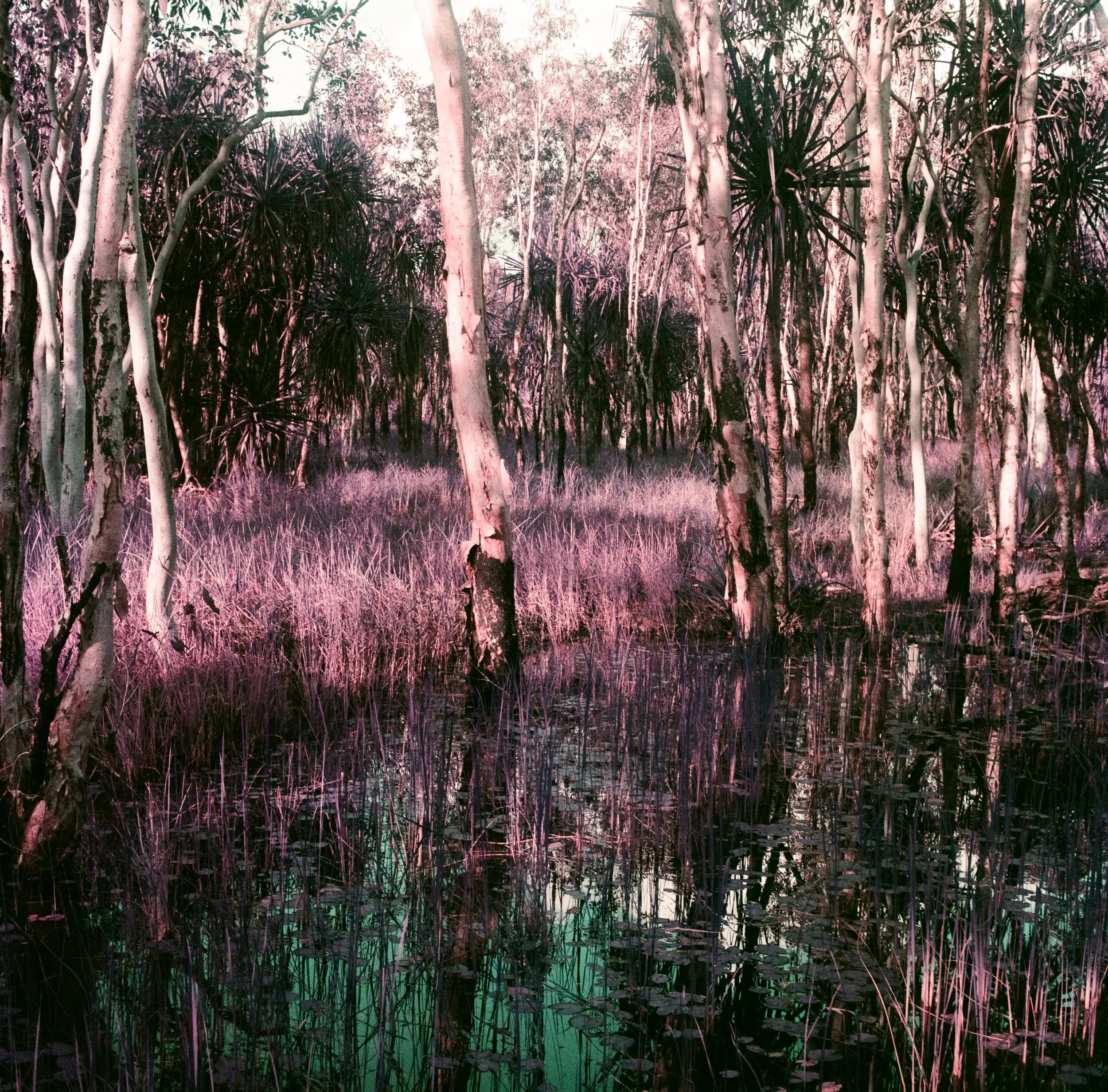
Jabiru — AUSTRALIA
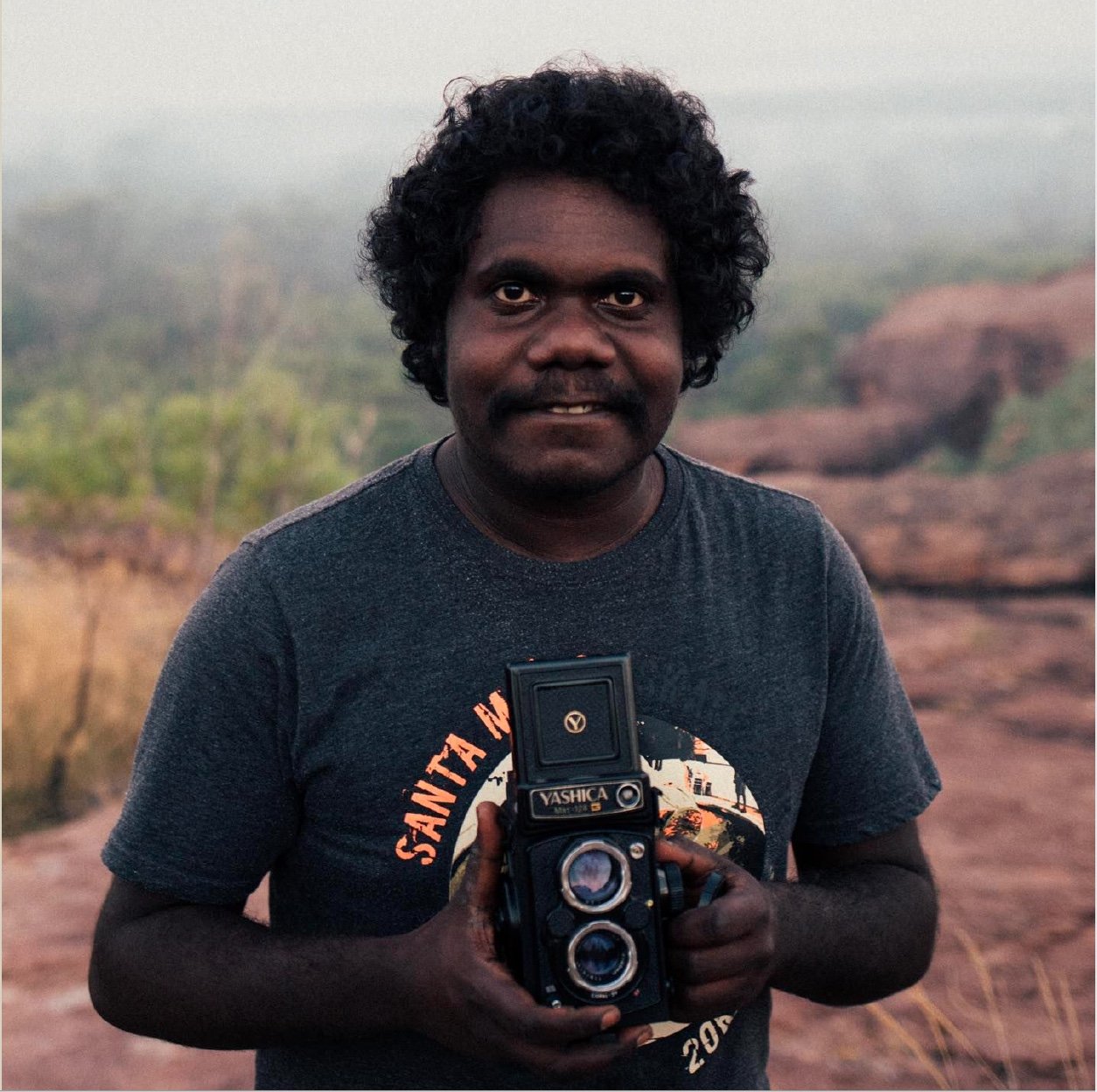
Country, Kinship and the Future
Seen through the eyes of Corben Mudjandi, a young Mirarr Traditional Owner and emerging artist, Jabiru becomes a story of land, family and cultural continuity. His photographs reveal the beauty and intensity of life in Kakadu while confronting the consequences of colonisation, uranium mining and environmental exploitation. The Pavilion places Indigenous knowledge and younger generations at the centre of an urgent conversation about Country, identity and the future.

London — United Kingdom
London is explored as a city shaped by overlapping identities, communities and ways of life. The Pavilion moves beyond an individual understanding of pleasure to investigate the fulfilment created through participation, cooperation and shared purpose. Architecture becomes a framework through which different voices can meet, negotiate and collectively shape their surroundings. The project asks whether the multiplicity of the city can become a resource for creating more inclusive and democratic public spaces.
Curated by: Architecture for Humanity
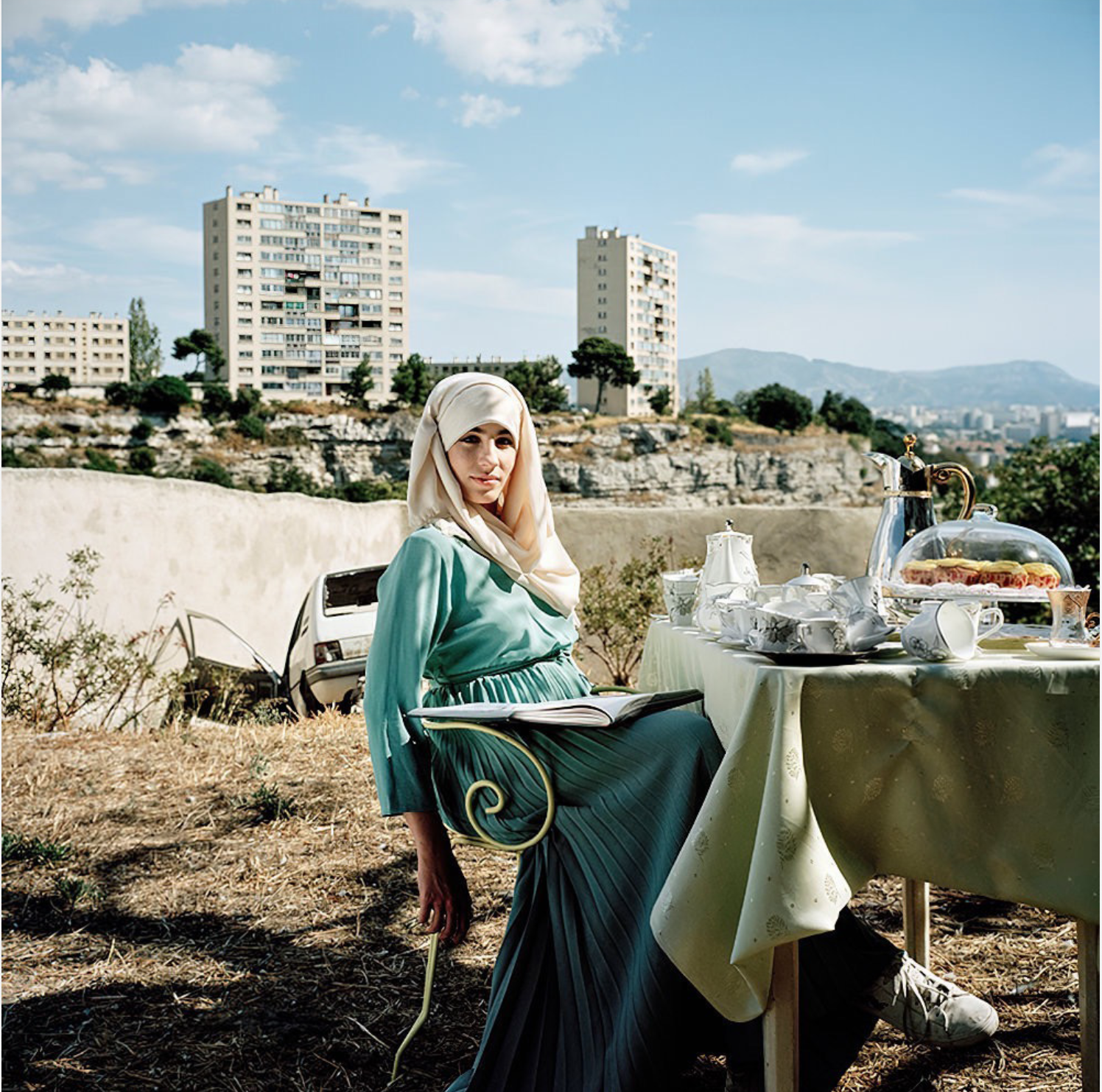
Marseille — France
Marseille is portrayed through the places, energies and people that shape its extraordinary creativity. A Mediterranean port city where differences and cultural encounters contribute to a new and constantly evolving shared identity.
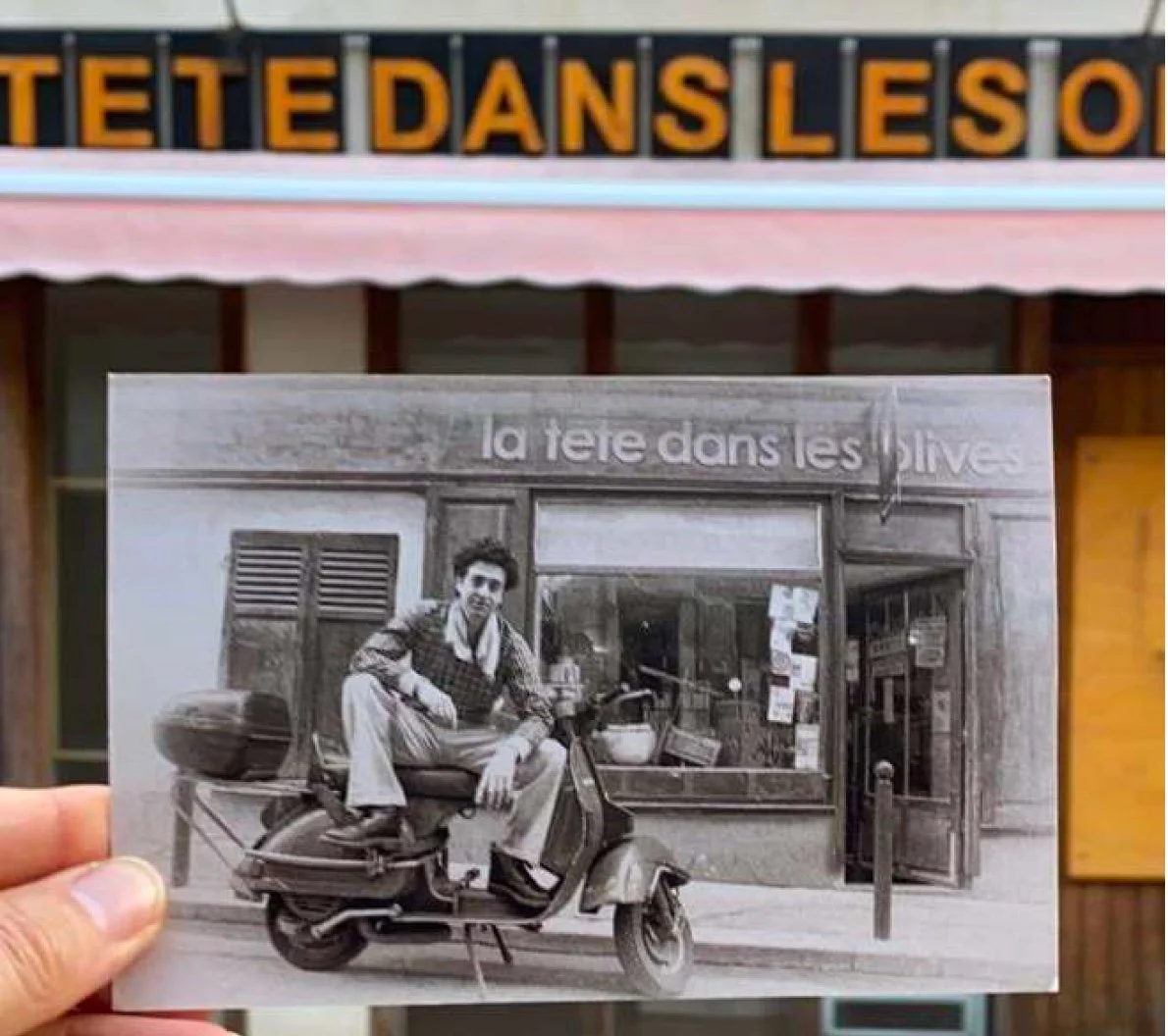
Paris — France
The story of Cédric Casanova moves between Paris and Sicily, circus and agriculture, food and human relationships. Collectif Ferrus presents an alternative model of production and exchange founded on trust, friendship and proximity.
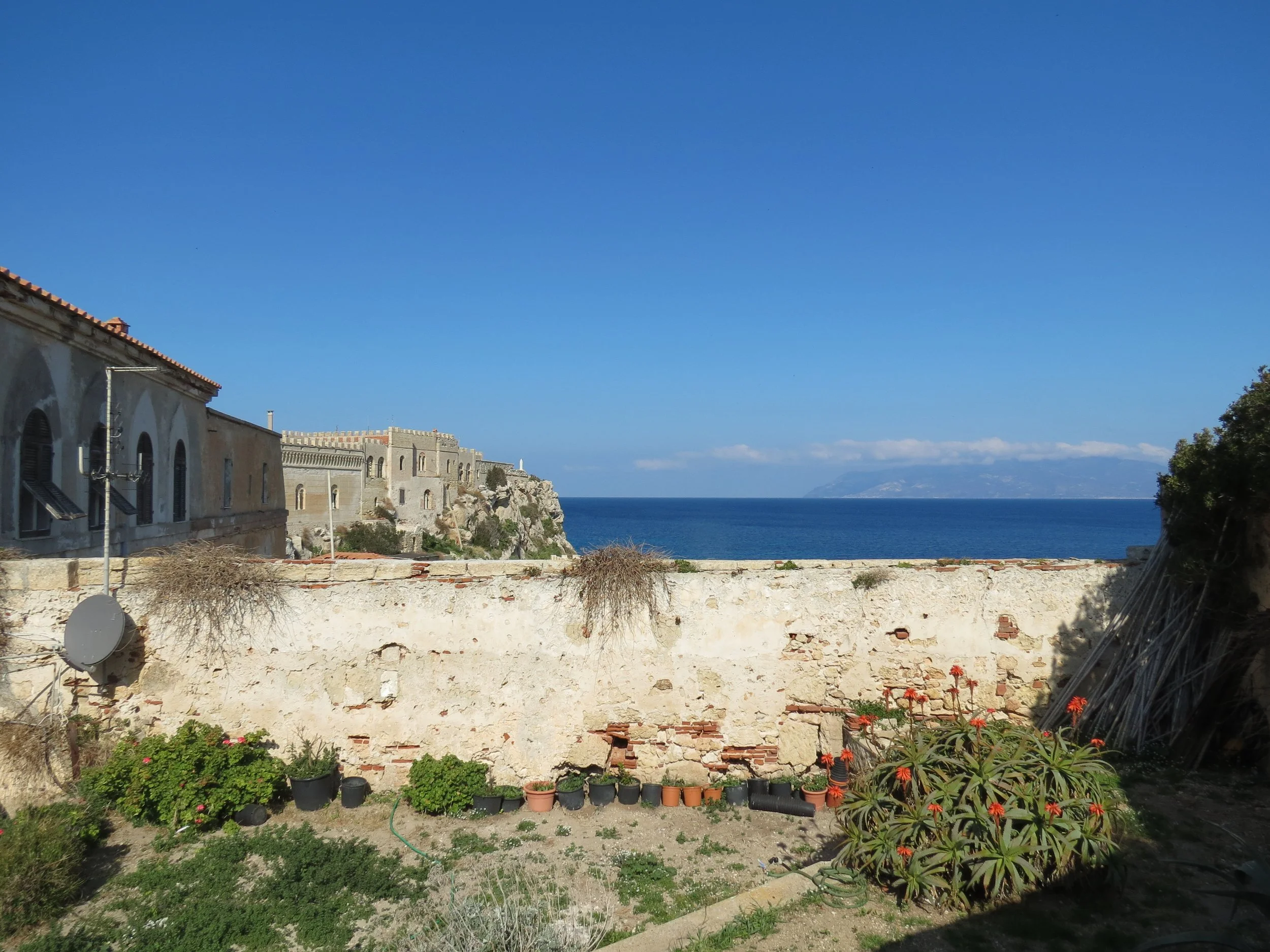
Pianosa — Italy
An island marked by the presence of a prison becomes a place for exploring isolation, nature, memory and freedom. Pianosa invites us to reconsider boundaries and the potential for rebirth within marginal and abandoned places.
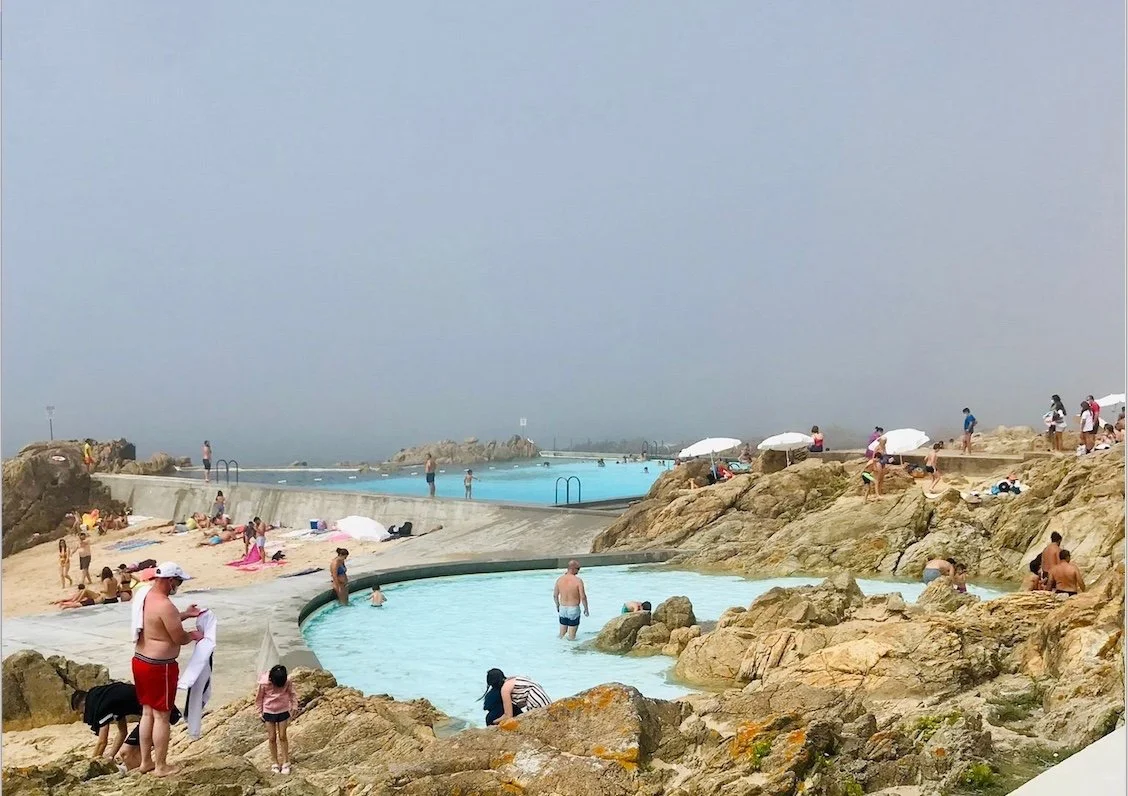
Porto — Portugal
Porto is explored through its green public spaces and the relationship between nature and urban life. The pavilion examines how gardens, parks and shared landscapes can improve people’s wellbeing and the quality of the city.
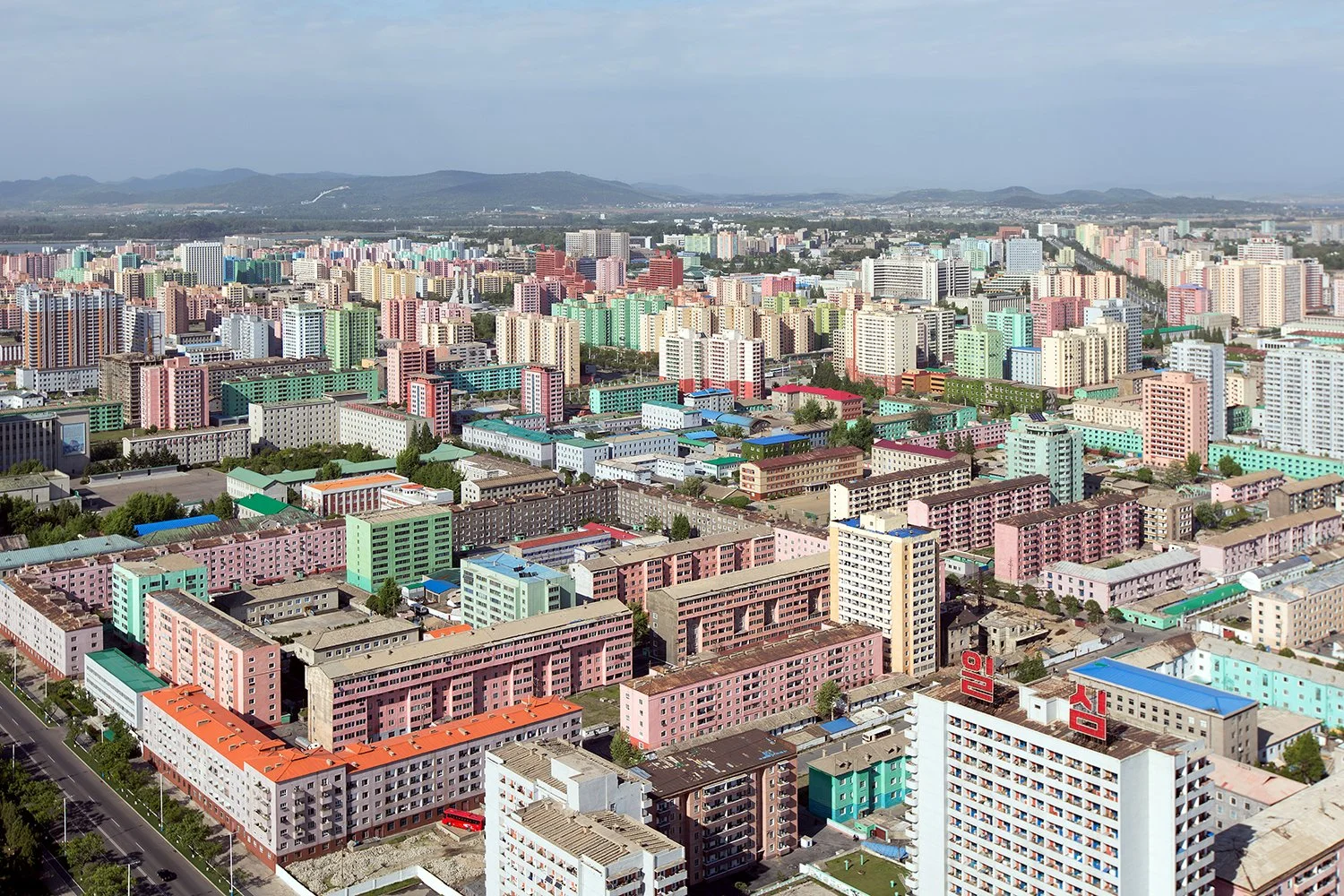
Pyongyang — North Korea
Pyongyang represents one of the most radical expressions of the planned and monumental city. Presented in dialogue with Seoul, it reveals how two cities with a shared history can embody profoundly different political, social and urban models.
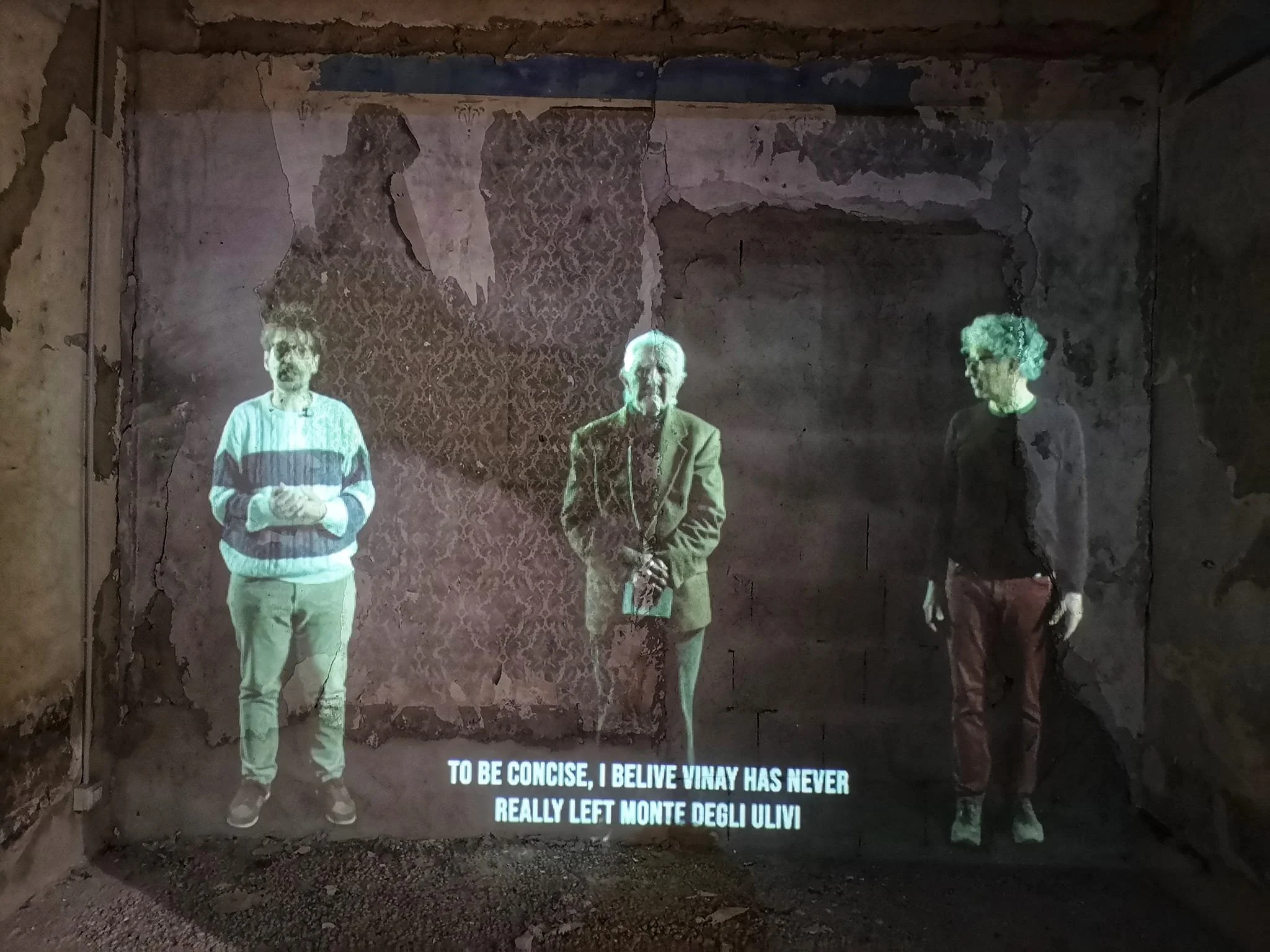
RIESIlience explores the ability of a small Sicilian community to reinvent itself through education, culture and social engagement. At its heart is the experience of Servizio Cristiano and the legacy of Tullio Vinay: a concrete utopia built with the community.
Riesi — Italy
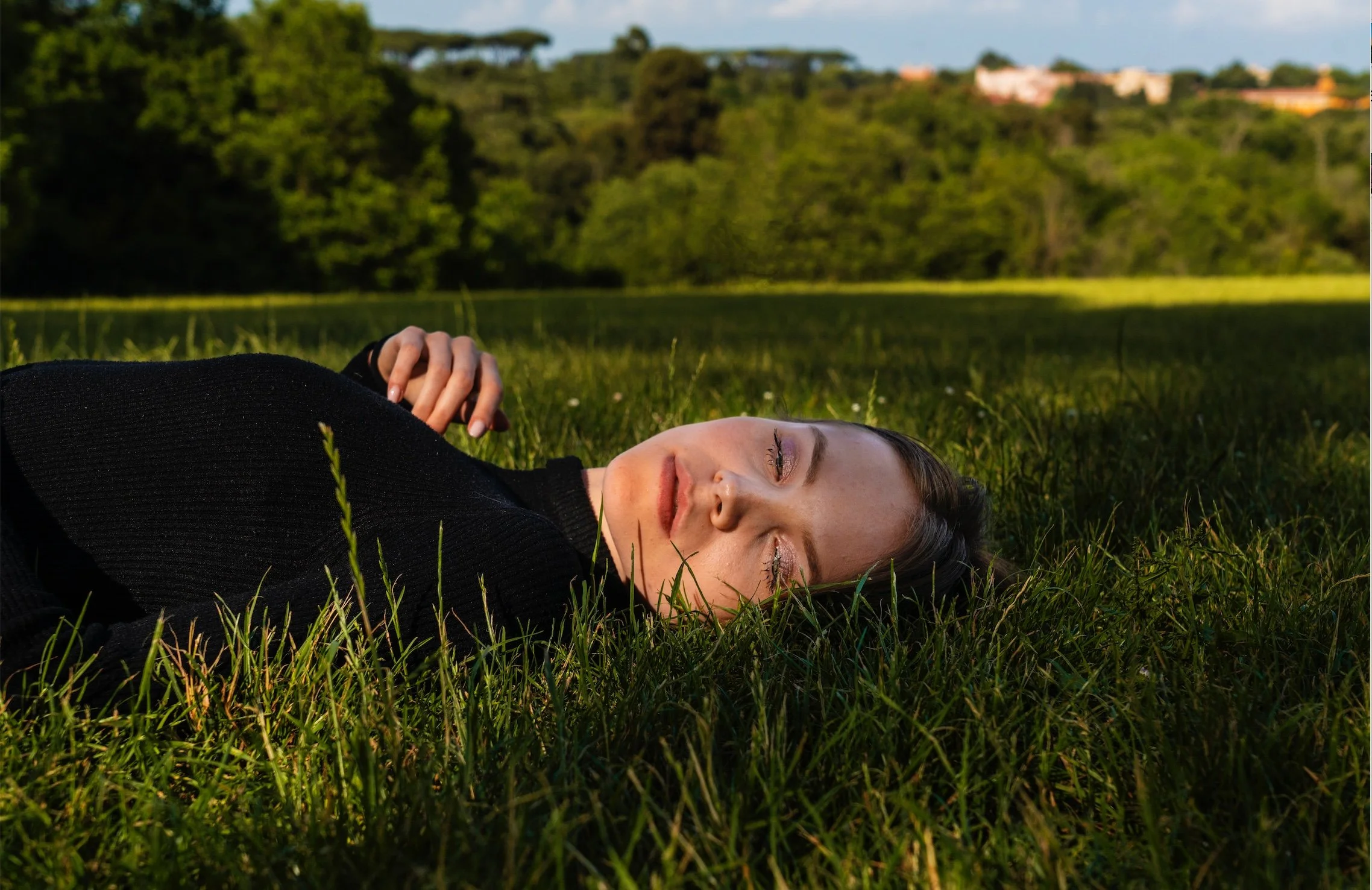
Rome — Italy
Rome is examined through the transformations, contradictions and everyday practices that continually redefine the city. A layered territory where heritage, community and emerging ways of living seek a possible balance.
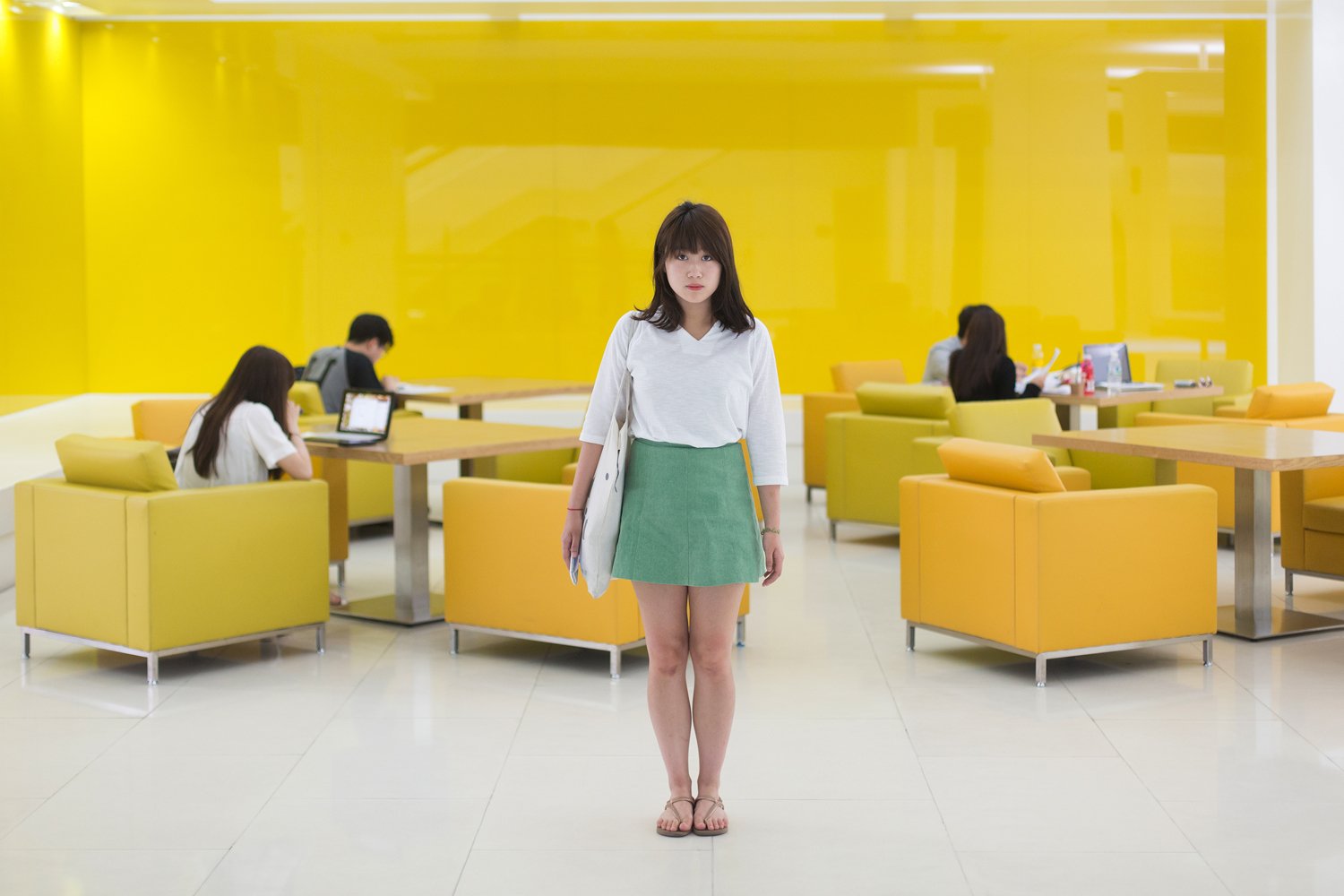
Seoul — South Korea
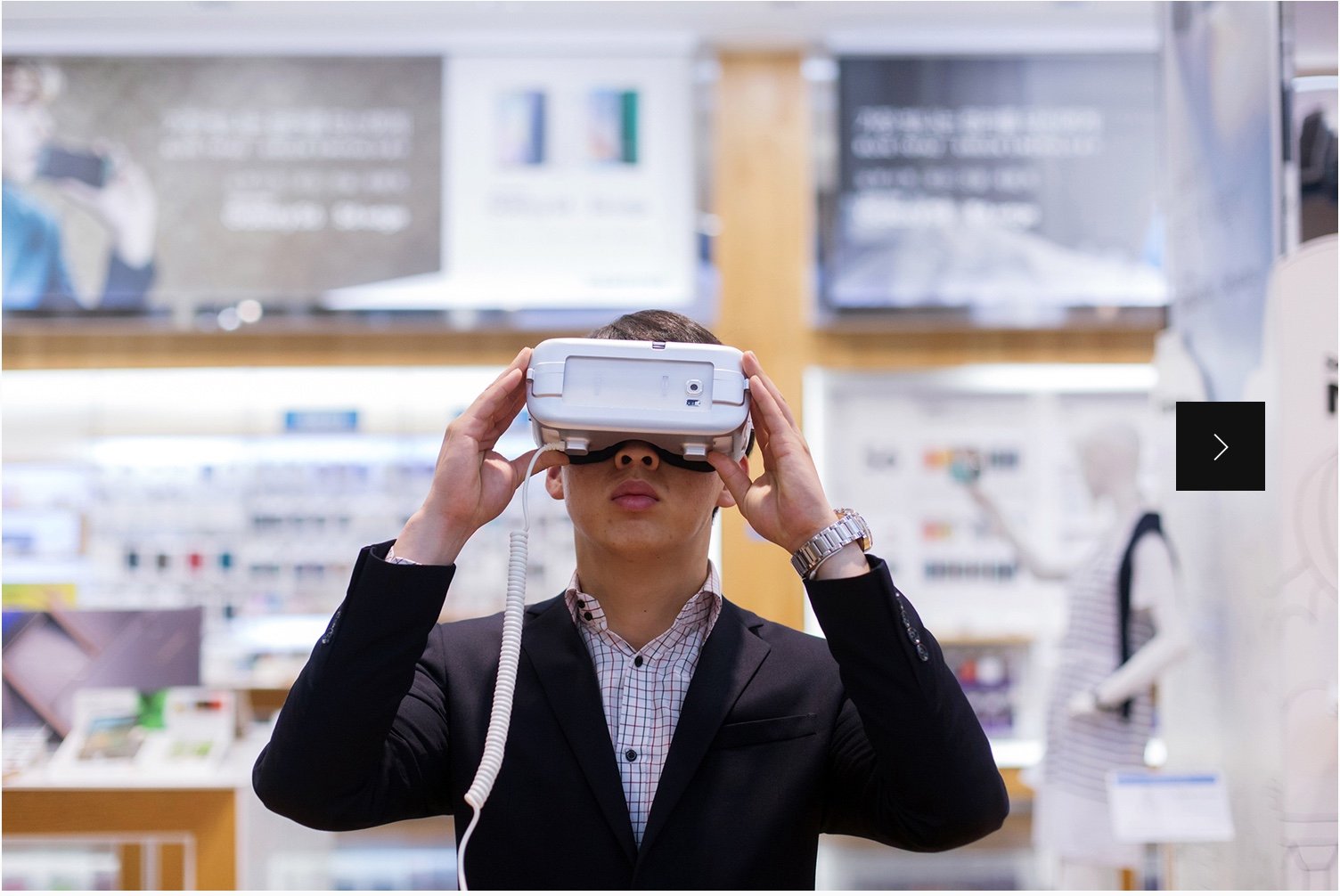
Seoul is a dynamic, technologically advanced metropolis projected towards the future. Its comparison with Pyongyang reveals two opposing urban trajectories, divided by a border yet connected by history, culture and a shared original identity.
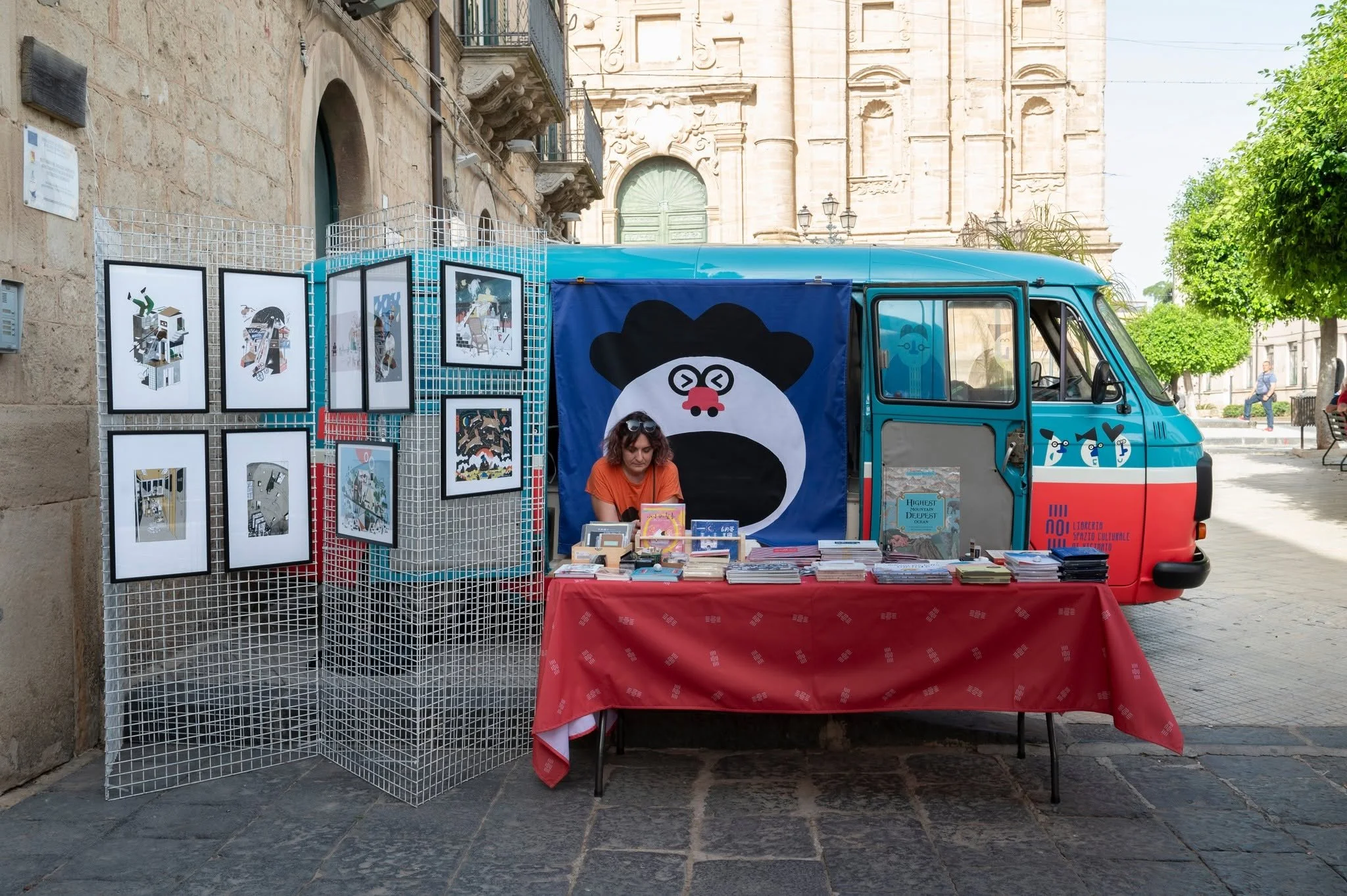
Taipei — Taiwan
TATO is a mobile pavilion dedicated to Taipei: an itinerant device that carries the city beyond the traditional boundaries of the exhibition space. A story in motion, capable of generating encounters, connections and new cultural geographies.
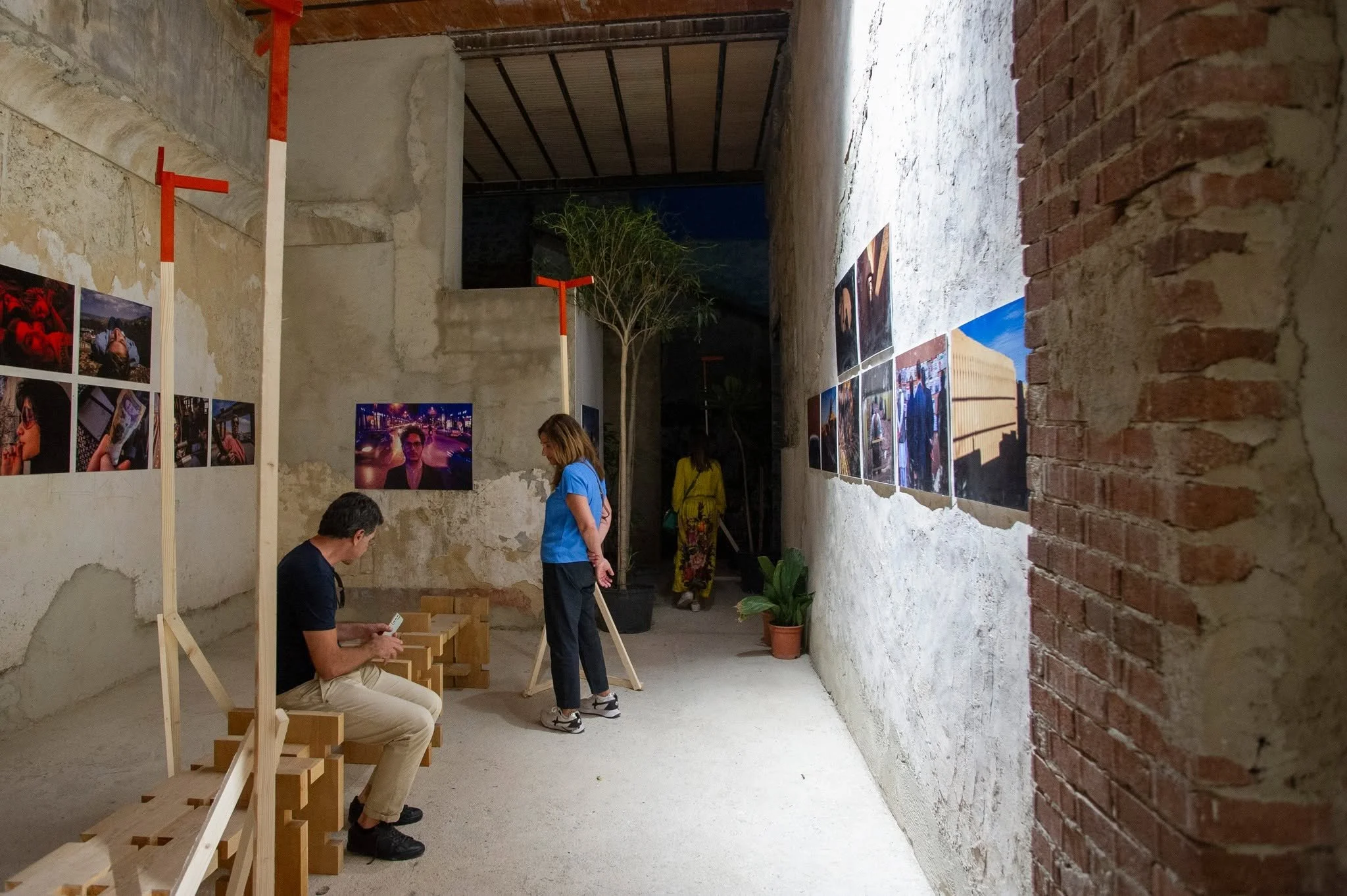
Thun & Zurich — Switzerland
On the shores of Lake Thun, an intentional community experiments with collective living based on sharing, environmental responsibility and a different balance between individual needs and the common good.
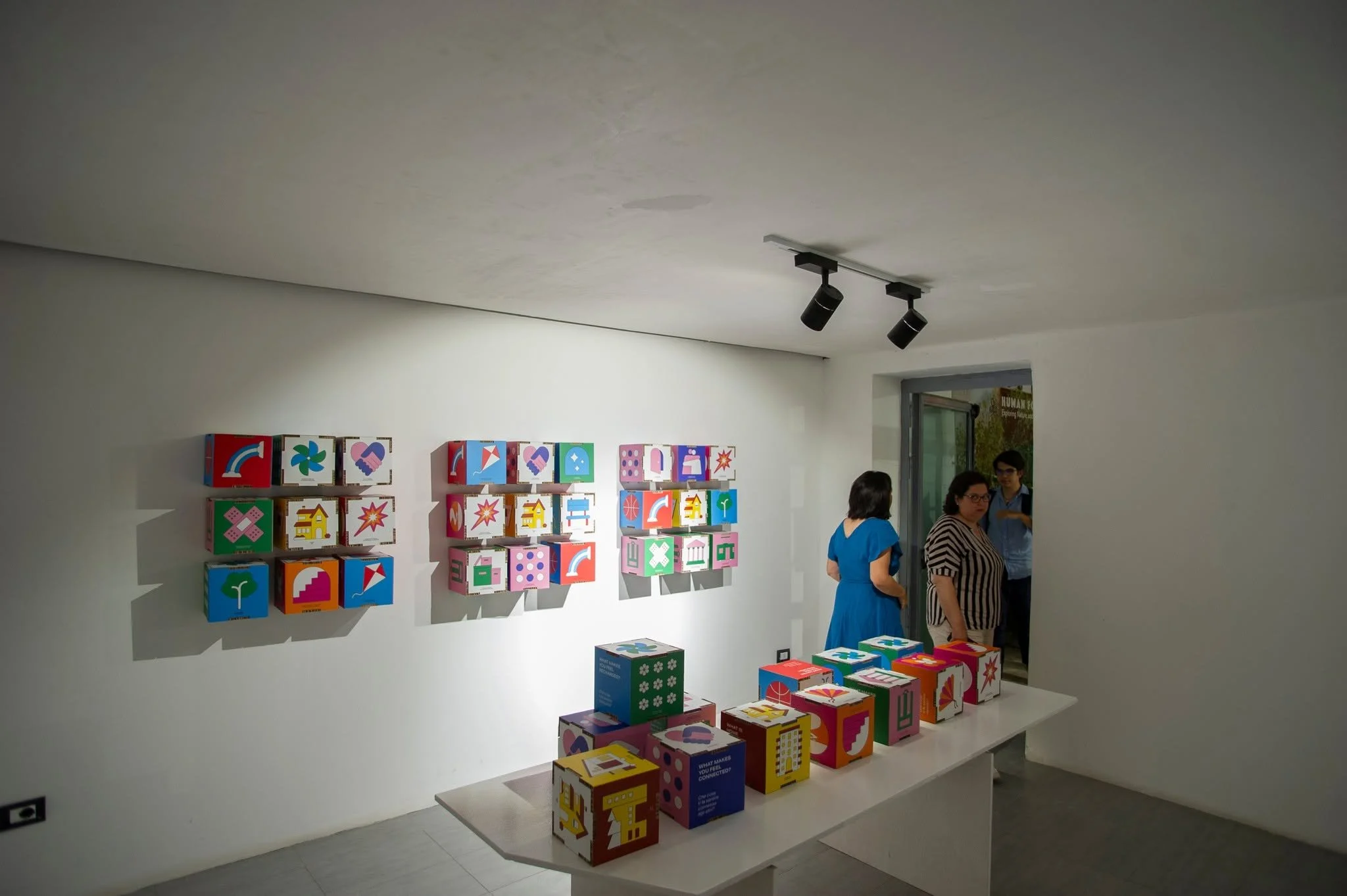
Curated by Print Out, the pavilion investigates how visual design can meaningfully improve people’s lives. Turin becomes a laboratory where communication, accessibility and design contribute to a more understandable and inclusive city.
Turin — Italy
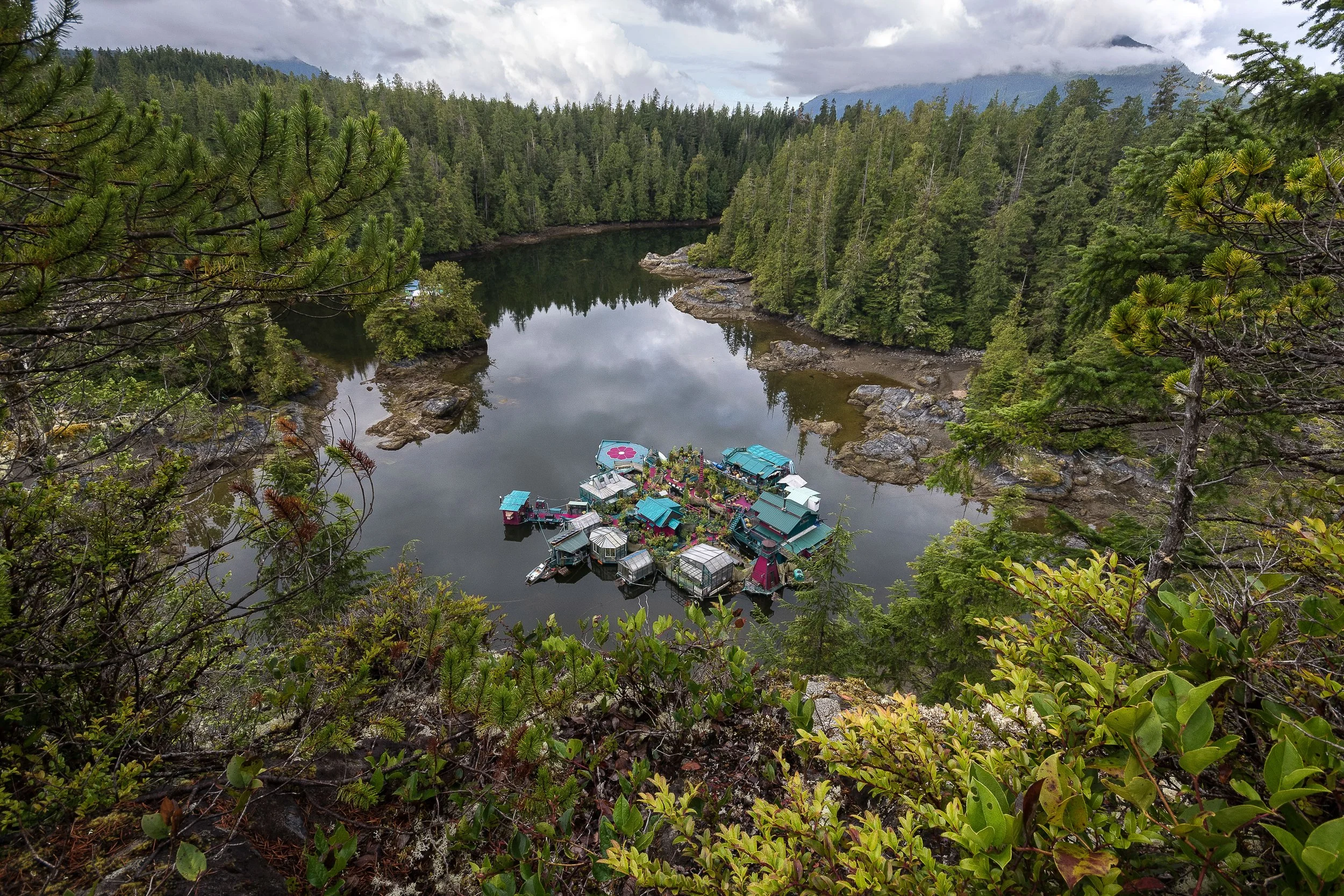
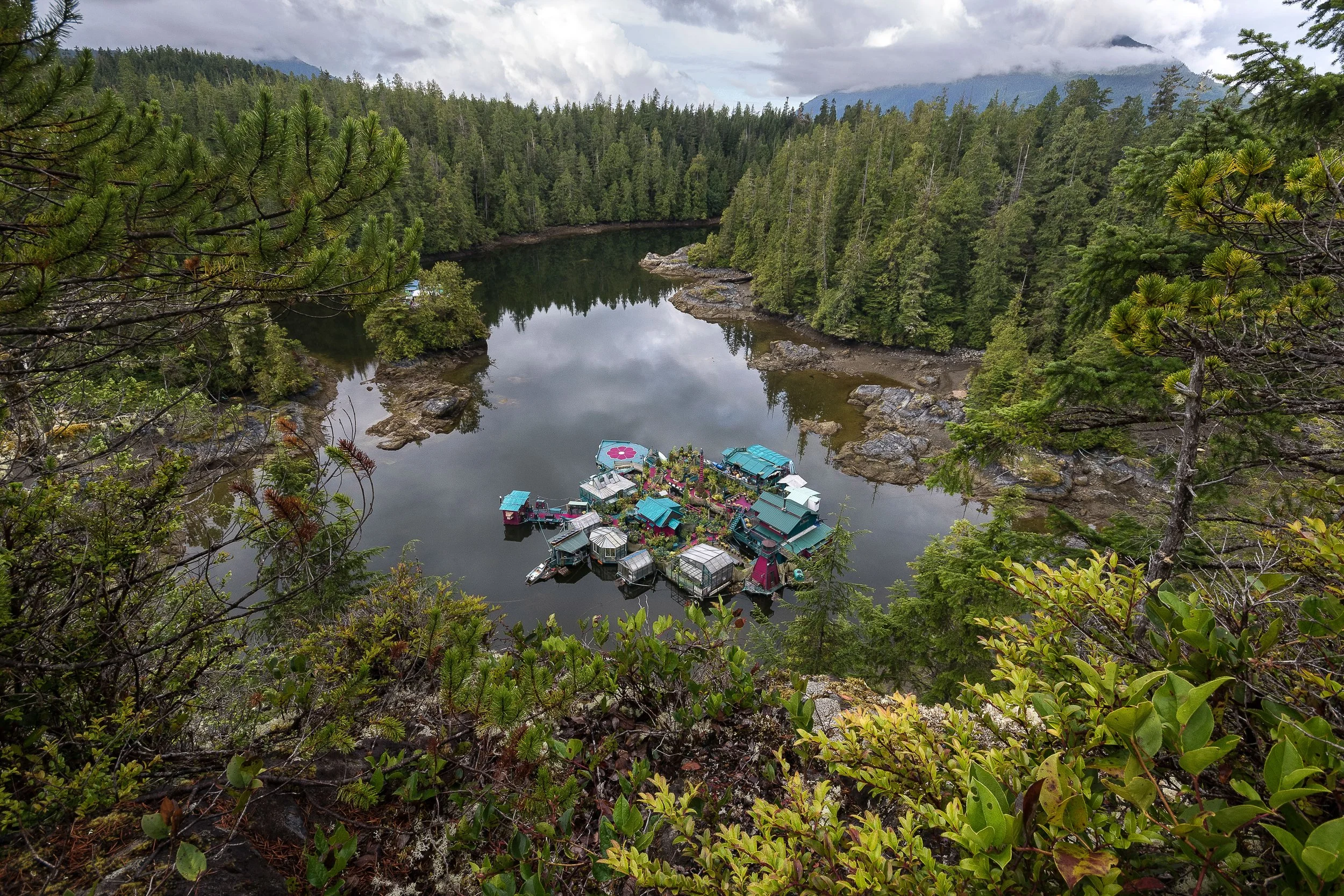
Vancouver Island — Canada
Surrounded by forests and ocean, Vancouver Island is home to intentional communities seeking a more conscious relationship with nature. New ways of living, producing and sharing challenge contemporary lifestyles.
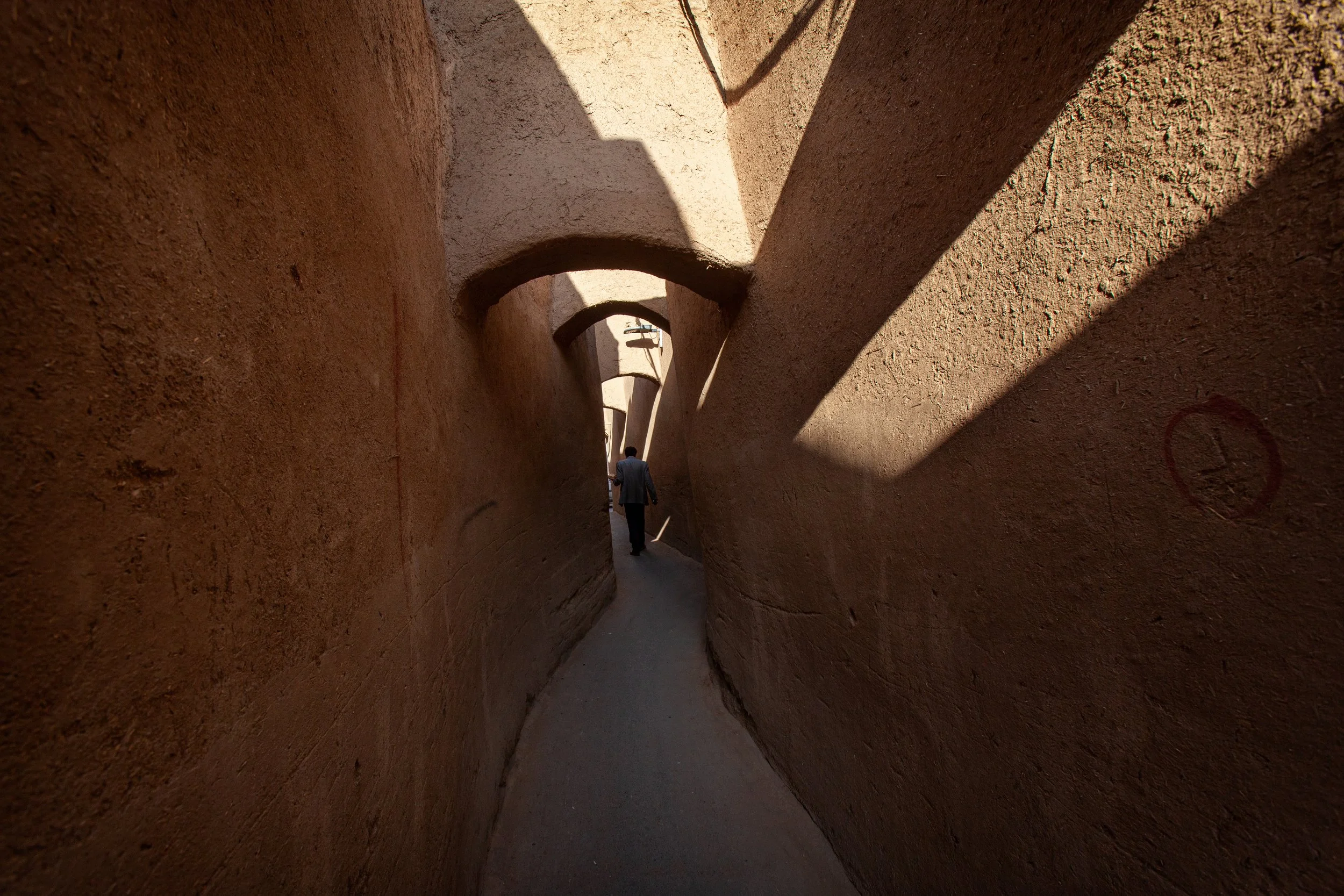
Yazd — Iran
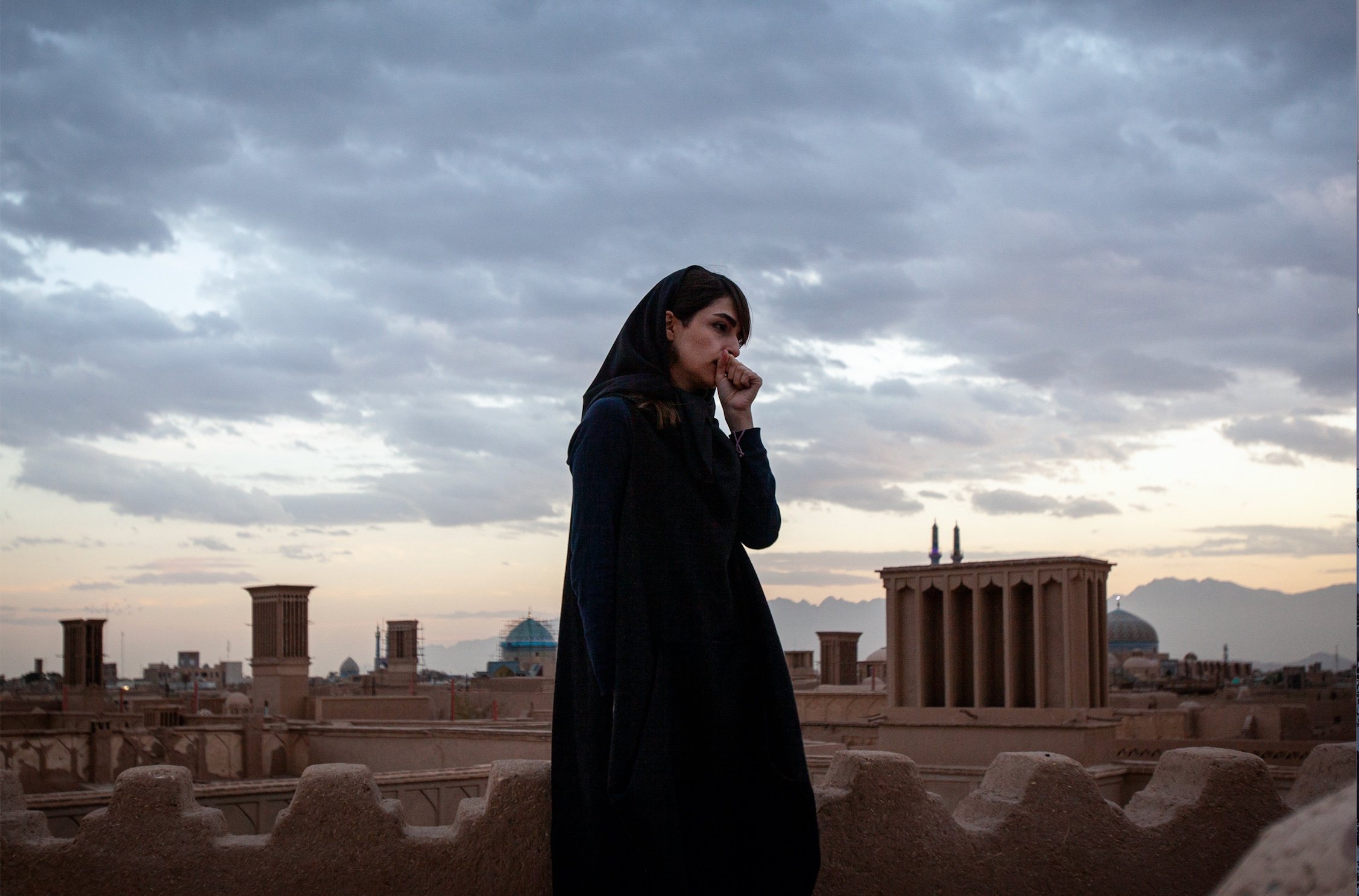
In the heart of the Iranian desert, Yazd preserves an urban heritage shaped by climate, limited resources and centuries of knowledge. The photographs reveal an architecture capable of transforming extreme conditions into beauty, balance and community life.
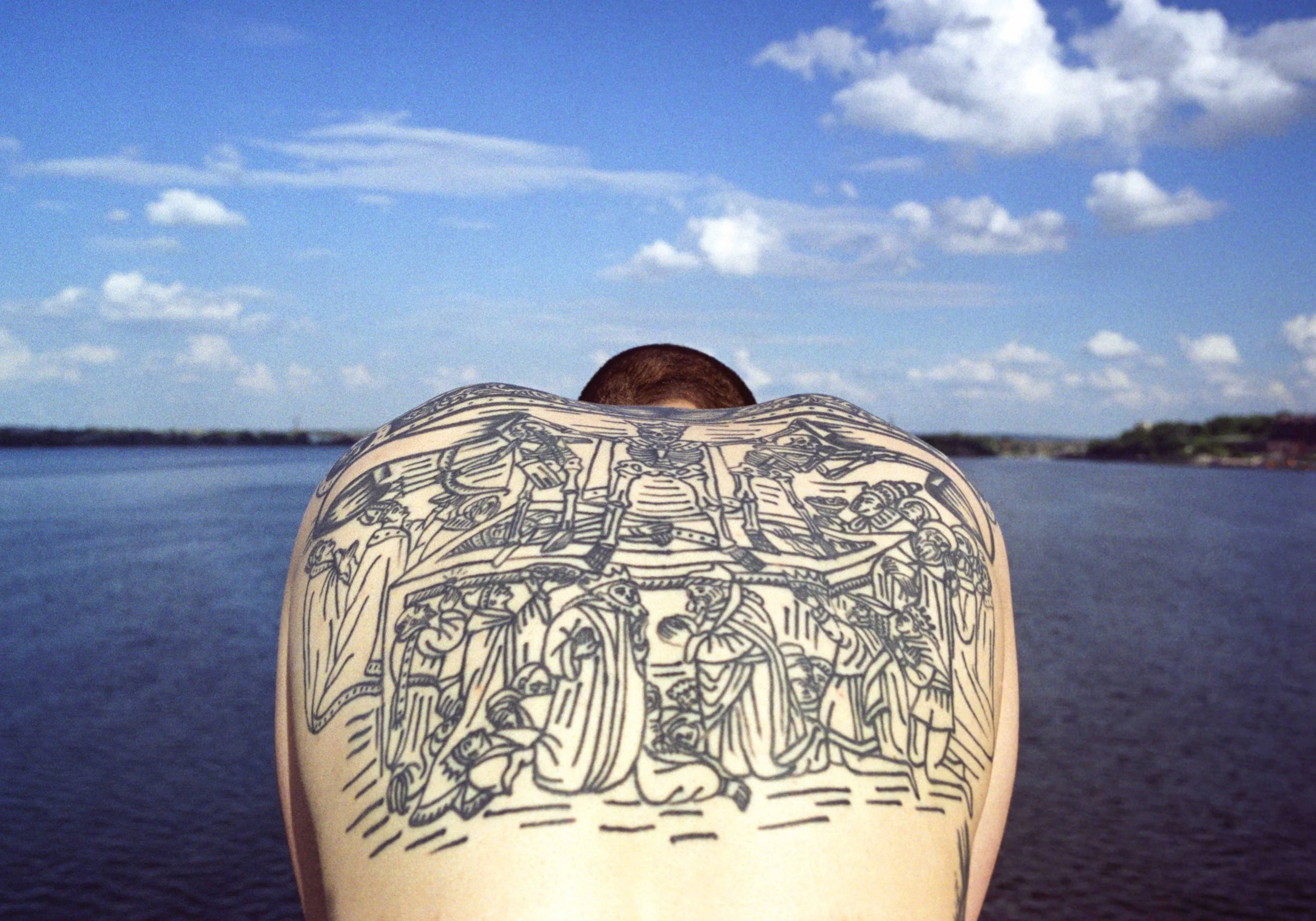
Beyond the geographical pavilions, Countless Cities 2023 brought together exhibitions, artistic research and cultural exchange projects exploring memory, identity, conflict and human relationships.
Off Pavilions
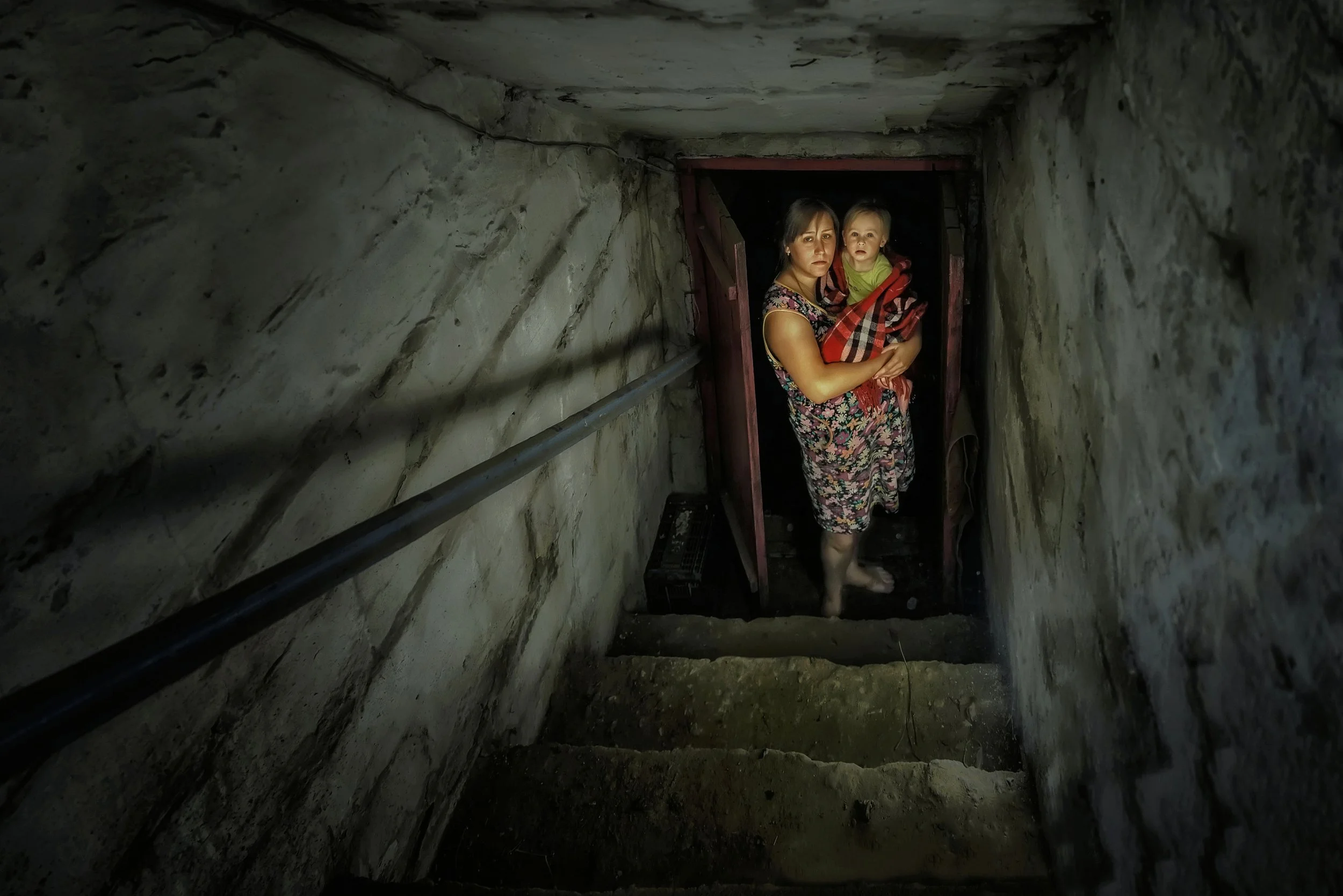
You Know That You Are Human
Bringing together the work of 23 Ukrainian photographers, the exhibition explores identity, memory and everyday life across different generations of the country’s photographic history. In the shadow of war, the images become acts of testimony, resistance and recognition of our shared humanity.
The exhibition brings together works by 23 Ukrainian photographers.
photographers: Valentyn Bo, Aleksander Chekmenev, Maryna Frolova, Oleksander Glyadyelov, Paraska Plytka Horytsvit, Borys Gradov, Alena Grom, Viktor and Serhiy Kochetov, Yulia Krivich, Sasha Kurmaz, Viktor Marushchenko, Serhiy Melnitchenko, Boris Mikhailov with Mykola Ridnyi, Valeriy Miloserdov, Iryna Pap, Evgeniy Pavlov, Roman Pyatkovka, Natasha Shulte, Synchrodogs, Viktoriia Temnova, Mykola Trokh.
Organised by
by: IZOLYATSIA and the Ukrainian Institute
Curated by: Kateryna Filyuk
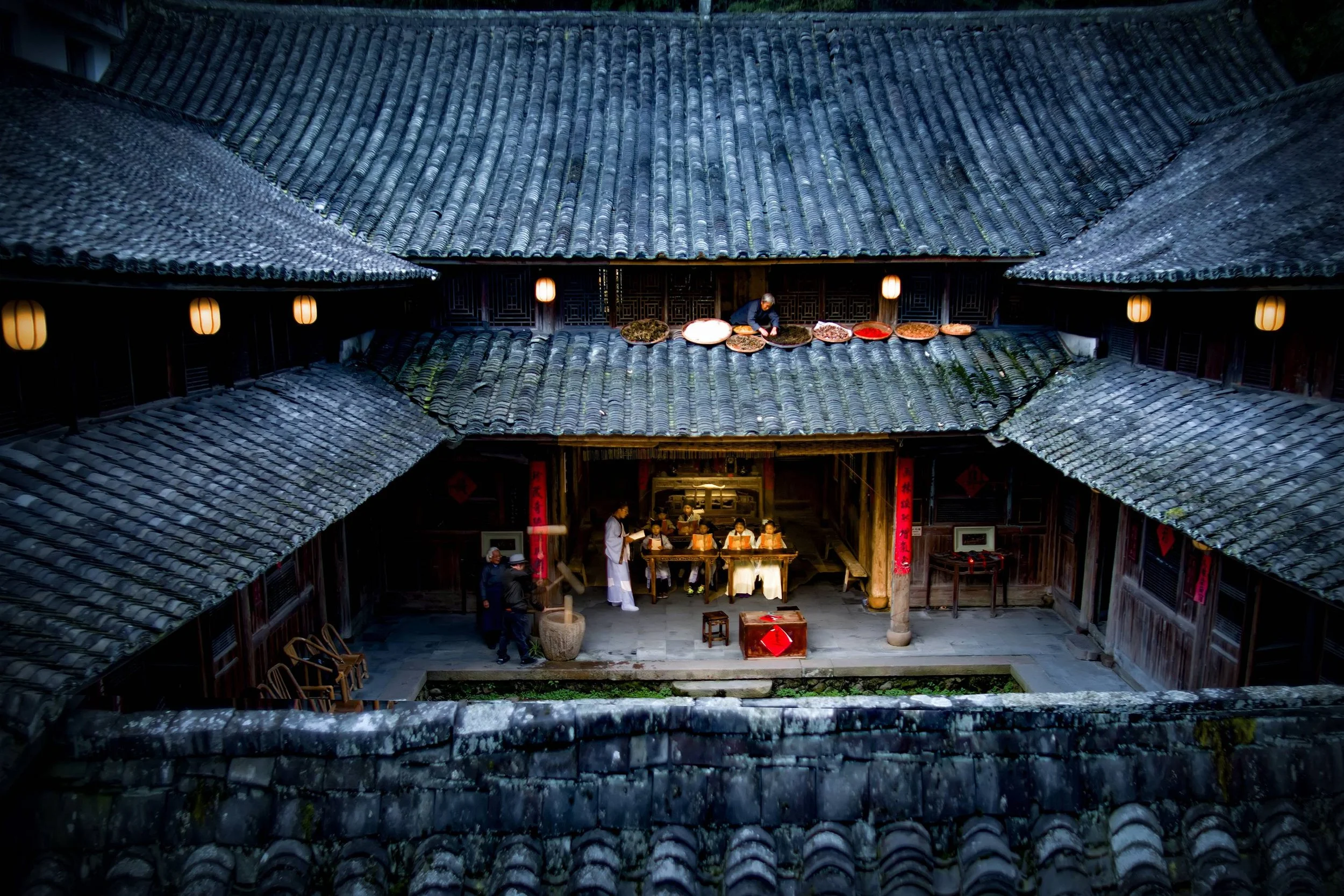
Global Chinese New Year Photography Competition 2023
The 2023 Global Chinese New Year Photography Competition (GCPC) presents diverse and innovative photographs by photographers and visual artists from around the world, celebrating the Chinese New Year and Chinese culture.
Organizer
North America Photography Association in the United Nations (NAPA)
In collaboration
In collaboration with the World Cultural Art Organization (UNWACAO) and FARM Cultural Park
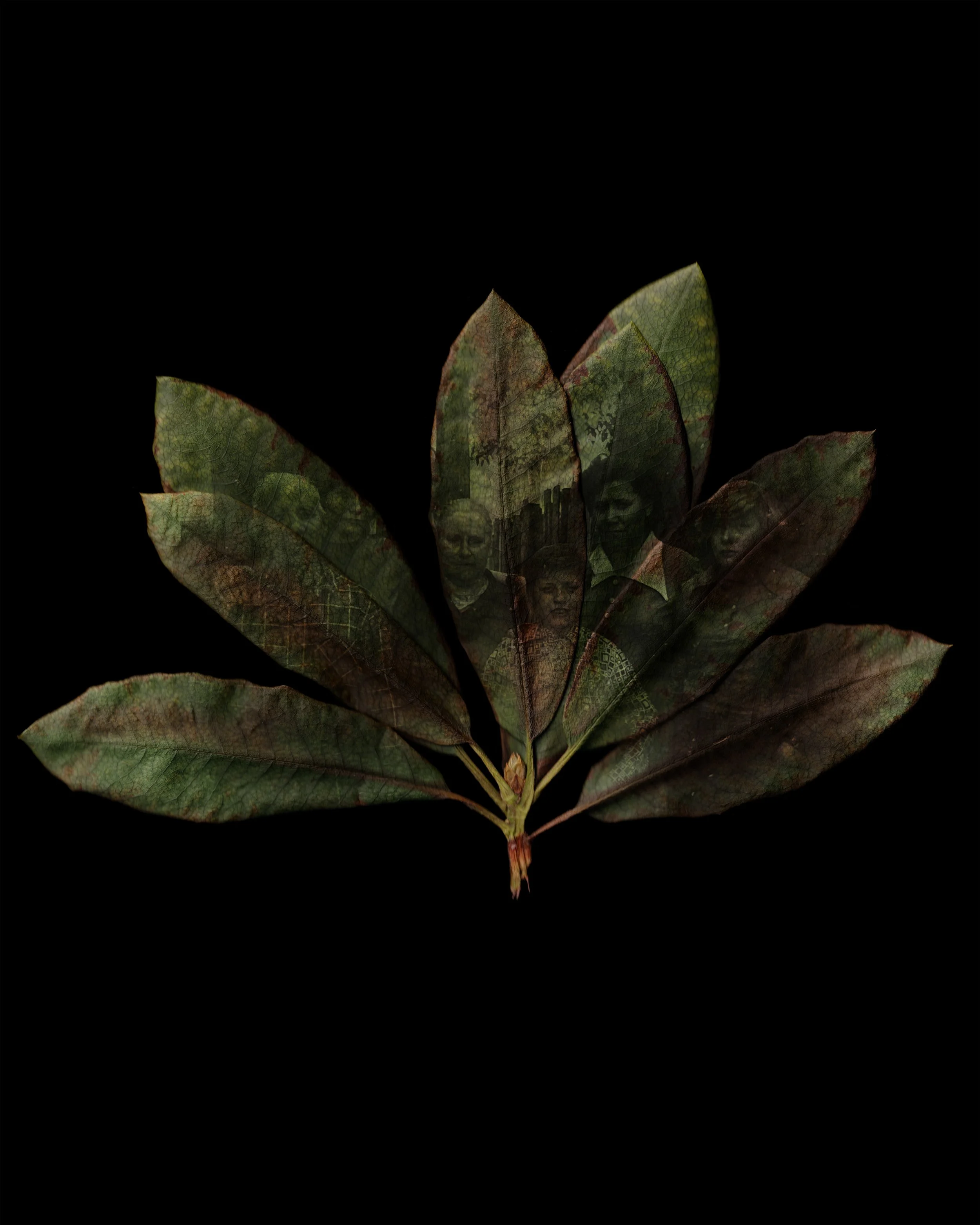
Family Tree | Toma Gerzha
Through family photographs, handwritten notes and chlorophyll printing, Toma Gerzha reconstructs the lives of relatives she barely knew. Personal memory becomes a way of exploring the Soviet past and the invisible relationships connecting different people, places and generations.
A project by Toma Gerzha.