COUNTLESS CITIES 2021
People live here. A more Human approach.
SECOND EDITION
The second edition of Countless Cities placed people at the heart of the urban conversation.
Emerging during the pandemic, it explored how cities could respond more humanely to inequality, environmental change and new ways of living, working and sharing space.
Through art, architecture, photography and social innovation, its pavilions presented communities, practices and ideas capable of making urban life more inclusive, dignified and sustainable.
From the farmers’ movement in New Delhi and the endangered street culture of Bangkok to housing experiments, social enterprises and the return of nature to urban space, each pavilion revealed a different way of putting people, relationships and everyday life back at the centre of the city.
SECOND EDITION
23 CITIES AND COMMUNITIES
17 COUNTRIES
6 CONTINENTS
THREE WAYS TO MAKE CITIES MORE HUMAN
The 2021 edition explored three interconnected dimensions of urban life: new forms of housing, economies rooted in people and places, and the urgent need to bring nature back into the city.
Together, they offered a more human approach to imagining, designing and transforming the places where we live.
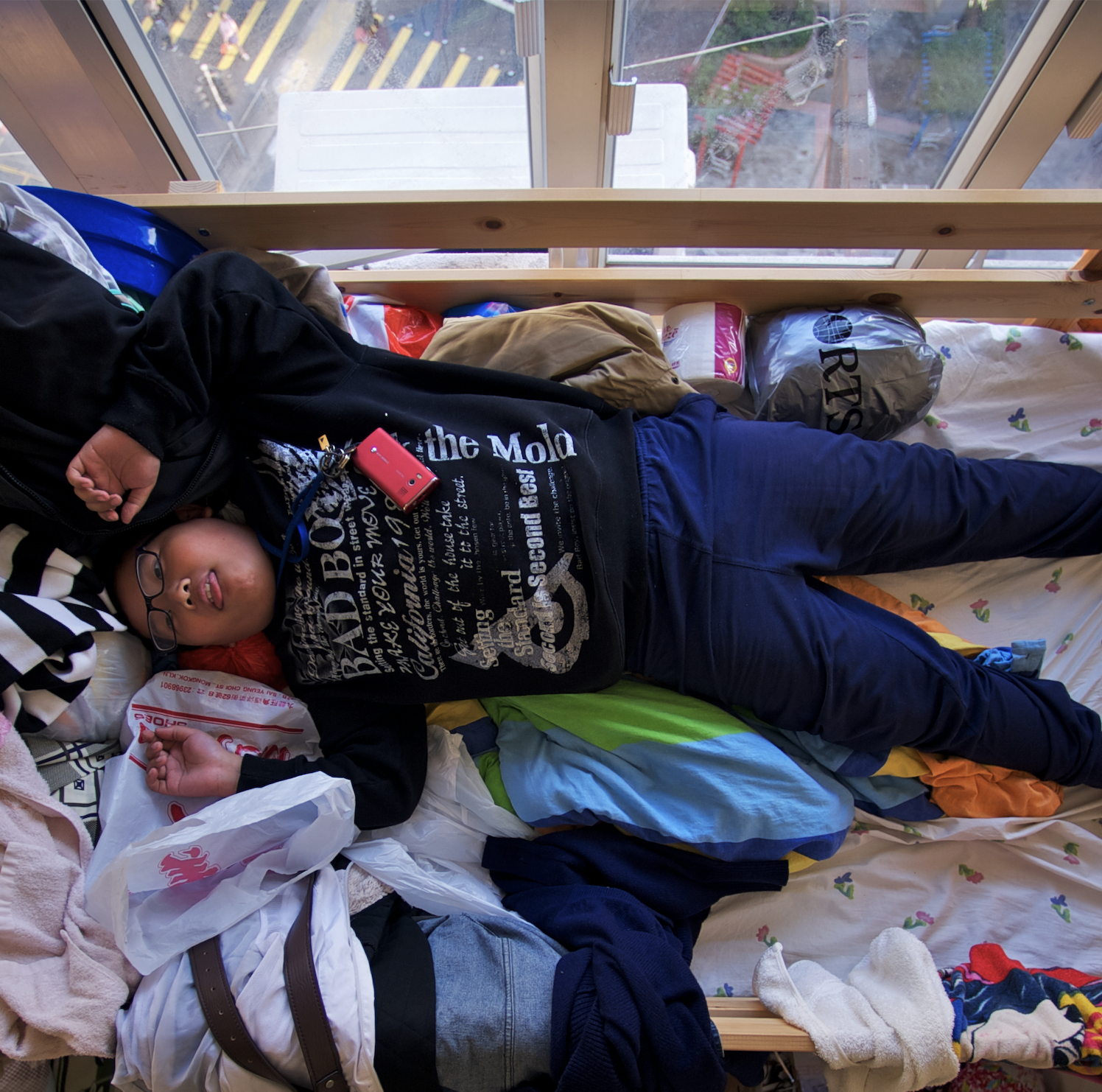
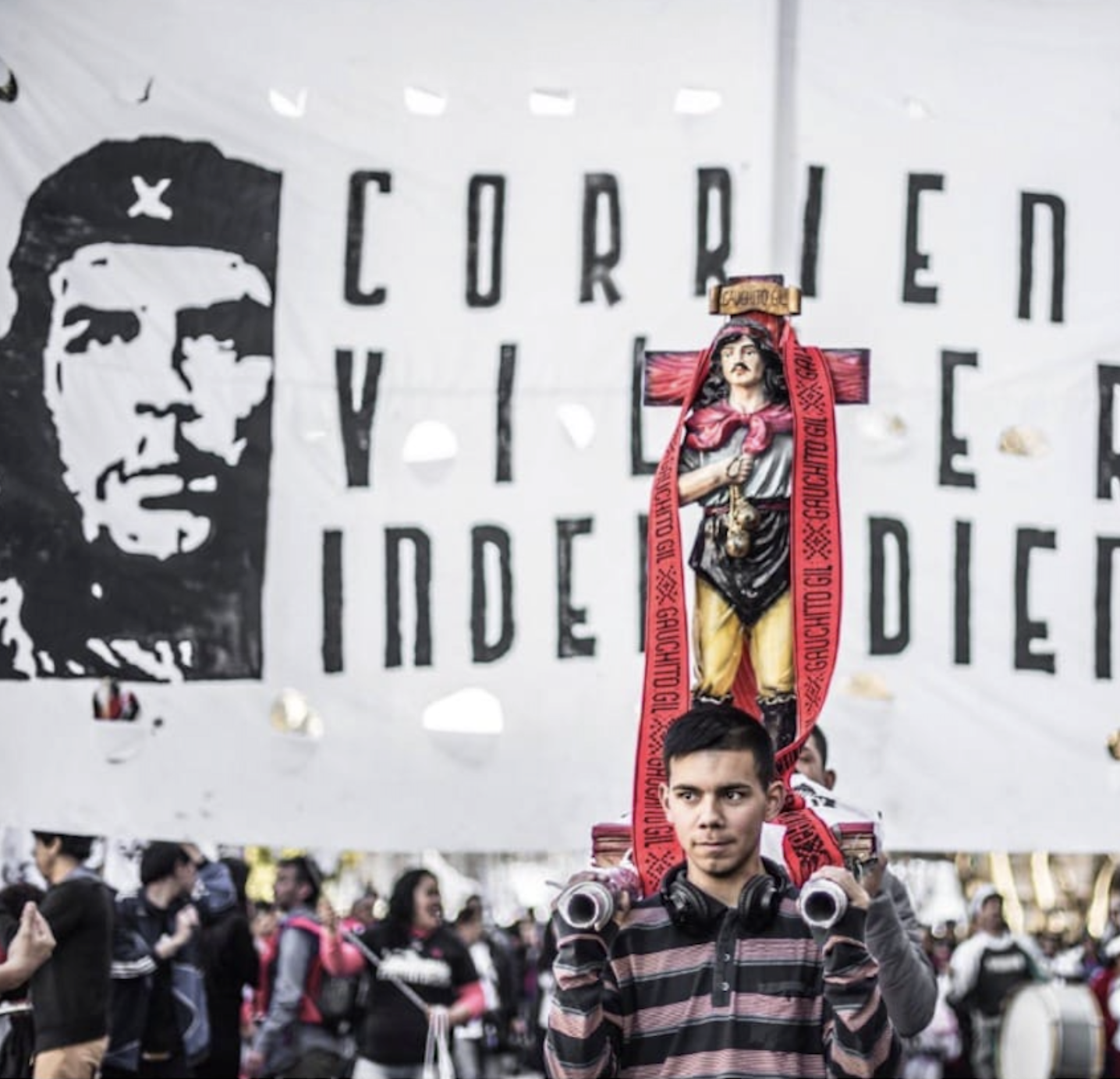
NEW WAYS OF LIVING TOGETHER
HOUSING DIVERSITY
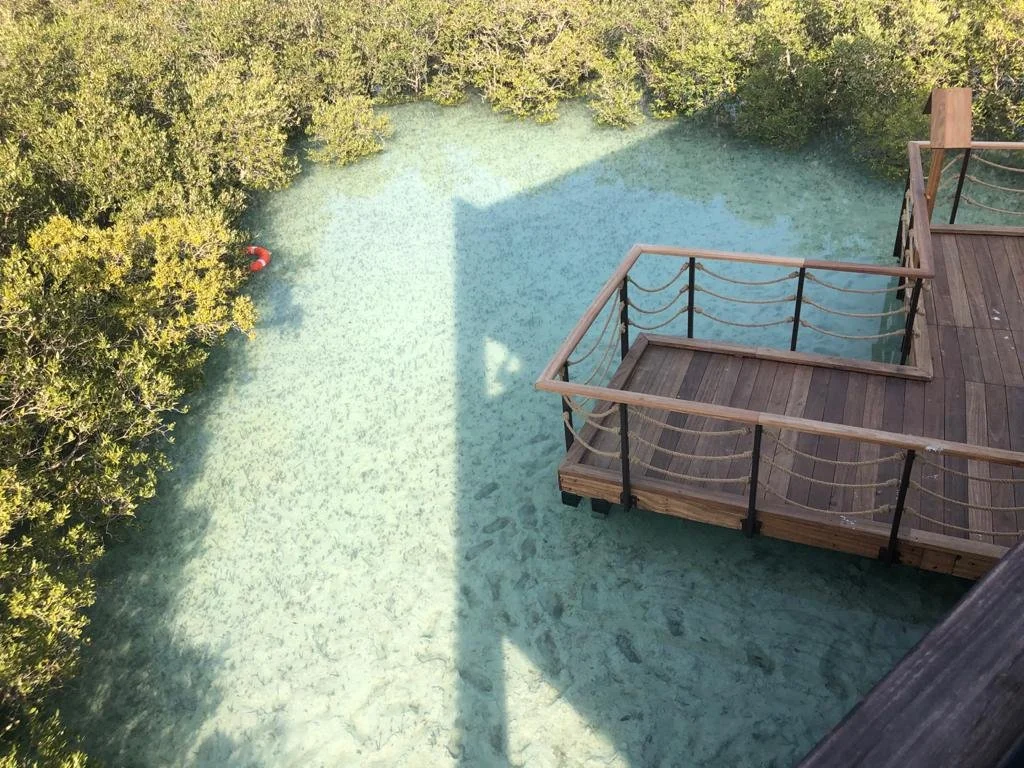
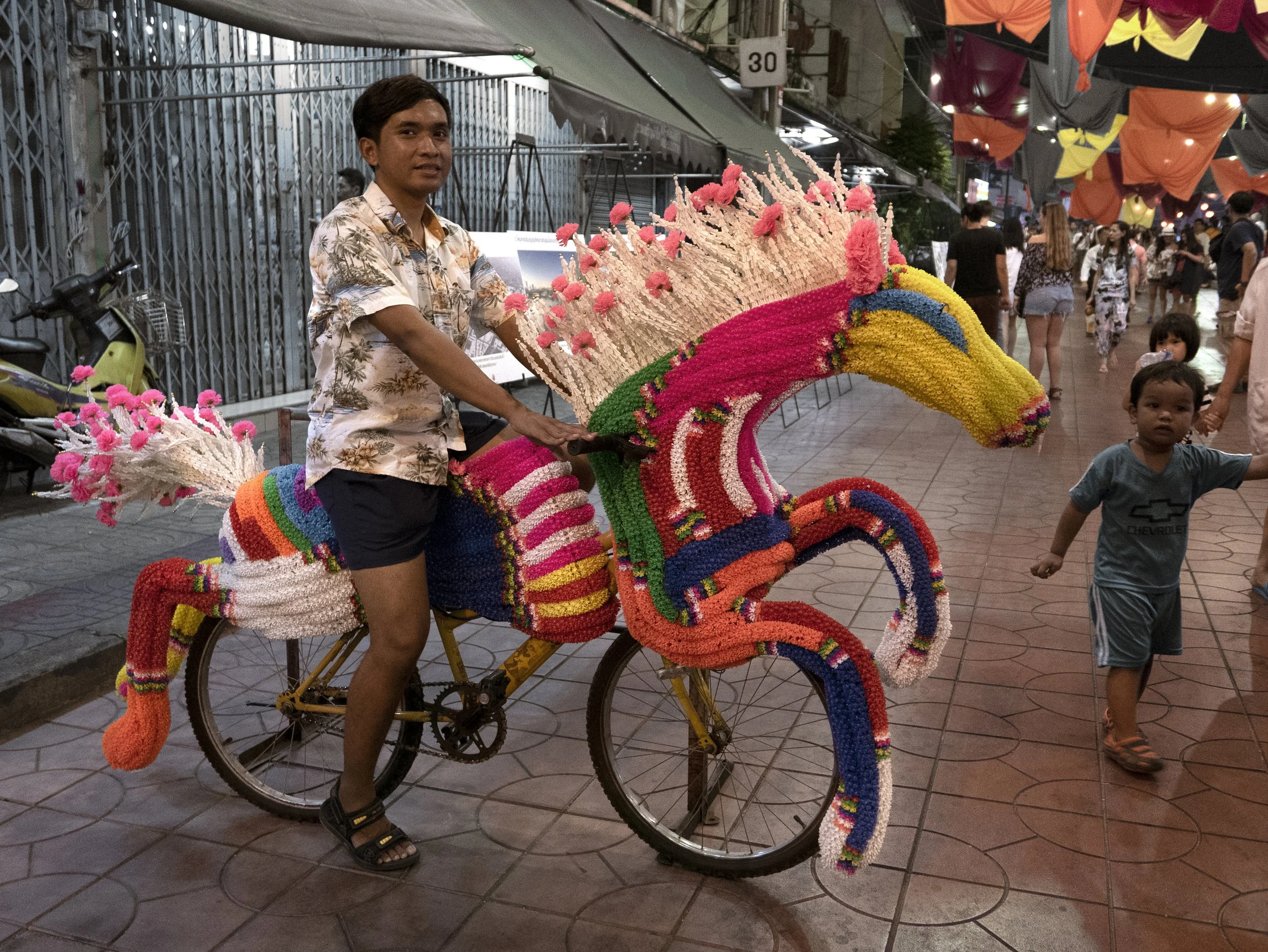
PARKIFYING THE FUTURE
GOOD BUSINESS
EXPLORE THE PAVILIONS
ABU DHABI United Arab Emirates · BANGKOK Thailand · BORCA DI CADORE Italy · BRUSSELS Belgium · BUENOS AIRES Argentina · CARACAS Venezuela · HONG KONG China · IRBID Jordan · MADRID Spain · NAPLES Italy · NEW DELHI India · PALERMO Italy · PITTSBURGH United States · PRATO Italy · PUEBLA Mexico · REDEYEF Tunisia · SANTIAGO DE CHILE Chile · SÃO PAULO Brazil · SOVERIA MANNELLI Italy · TANGIER Morocco · TIRANA Albania · YIRRKALA Australia
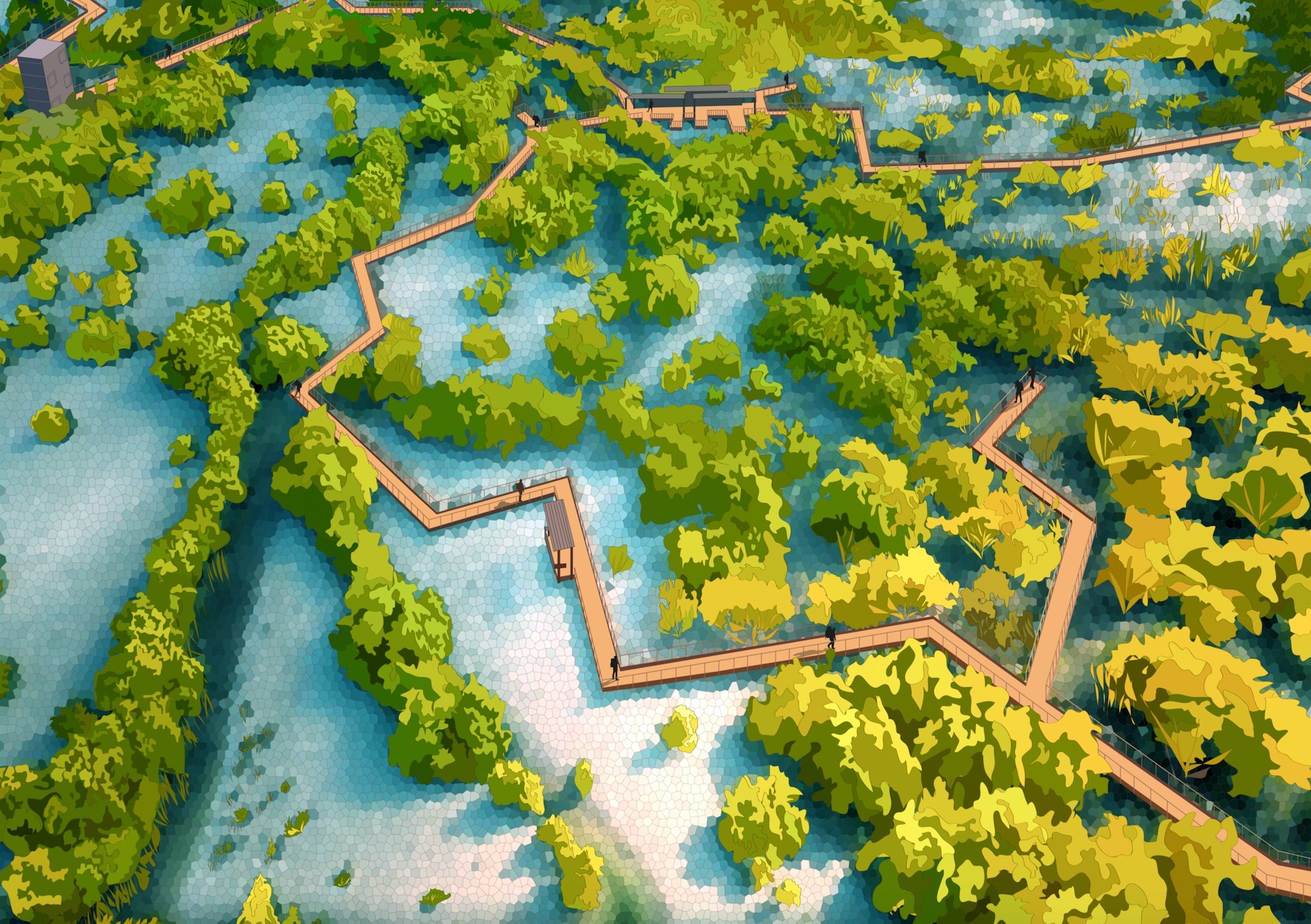
Abu Dhabi — United Arab Emirates
Between rapid urban growth and extreme environmental conditions, Abu Dhabi explores how cities can adapt to a changing climate. Traditional knowledge, technological innovation and new approaches to architecture suggest ways of reducing consumption, reusing resources and creating more resilient forms of urban life.
CURATED BY Andrea Bartoli
ARTWORKS BY Lorenzo Conti

Bangkok — Thailand
VERY BANGKOK
Bangkok’s street food is more than a culinary tradition: it is an informal economy, a form of social infrastructure and an essential part of the city’s identity.
Through the story of Hia Owen and thousands of other street vendors, the pavilion explored a vibrant but increasingly threatened urban culture, caught between food security, entrepreneurship, regulation and the transformation of public space.
CURATED BY PHILIP CORNWEL-SMITH
Borca di Cadore — Italy
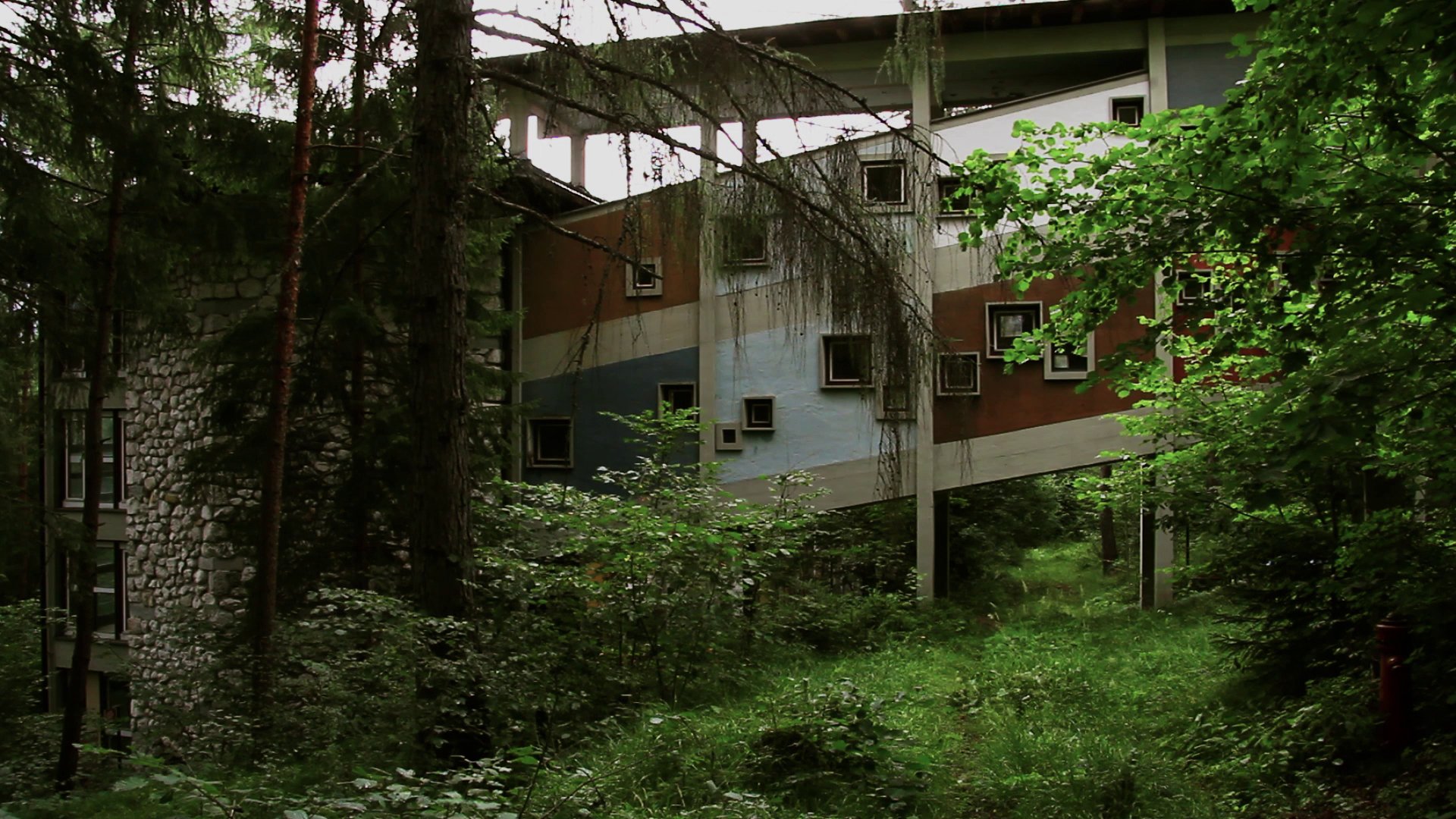
In the Dolomites, the former ENI Village designed by Edoardo Gellner represents an extraordinary experiment in architecture, landscape and collective living. Conceived as a place for workers and their families, it raises questions about welfare, community and the relationship between buildings and the natural environment.
CURATED BY Davide Maffei
Brussels — Belgium
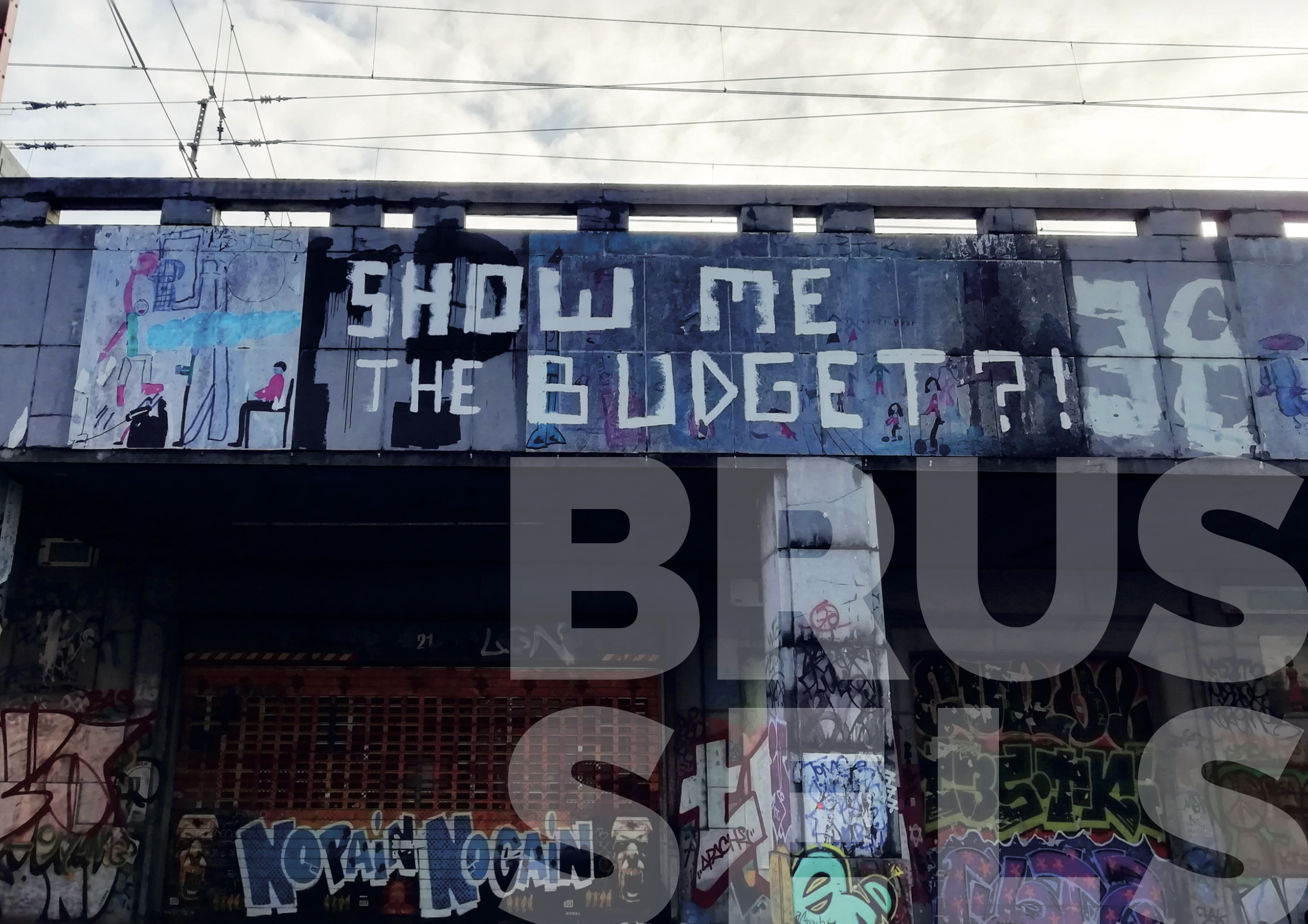
Brussels is a city of institutions, migrations, languages and overlapping identities. Behind its role as the political capital of Europe lies a collection of neighbourhoods shaped by cultural diversity and unequal access to housing and public space. The pavilion explores whether difference can become the foundation of a more inclusive urban community.
CURATED BY Alberto Squizzato
Buenos Aires — Argentina
Buenos Aires reveals the distance between the formal city and the neighbourhoods built through the daily efforts of their inhabitants. Informal settlements are not empty spaces waiting to be redesigned, but complex communities shaped by relationships, knowledge and aspirations. The pavilion asks how urban transformation can recognise the dignity and agency of the people who already live there.
CURATED BY Davide Vero
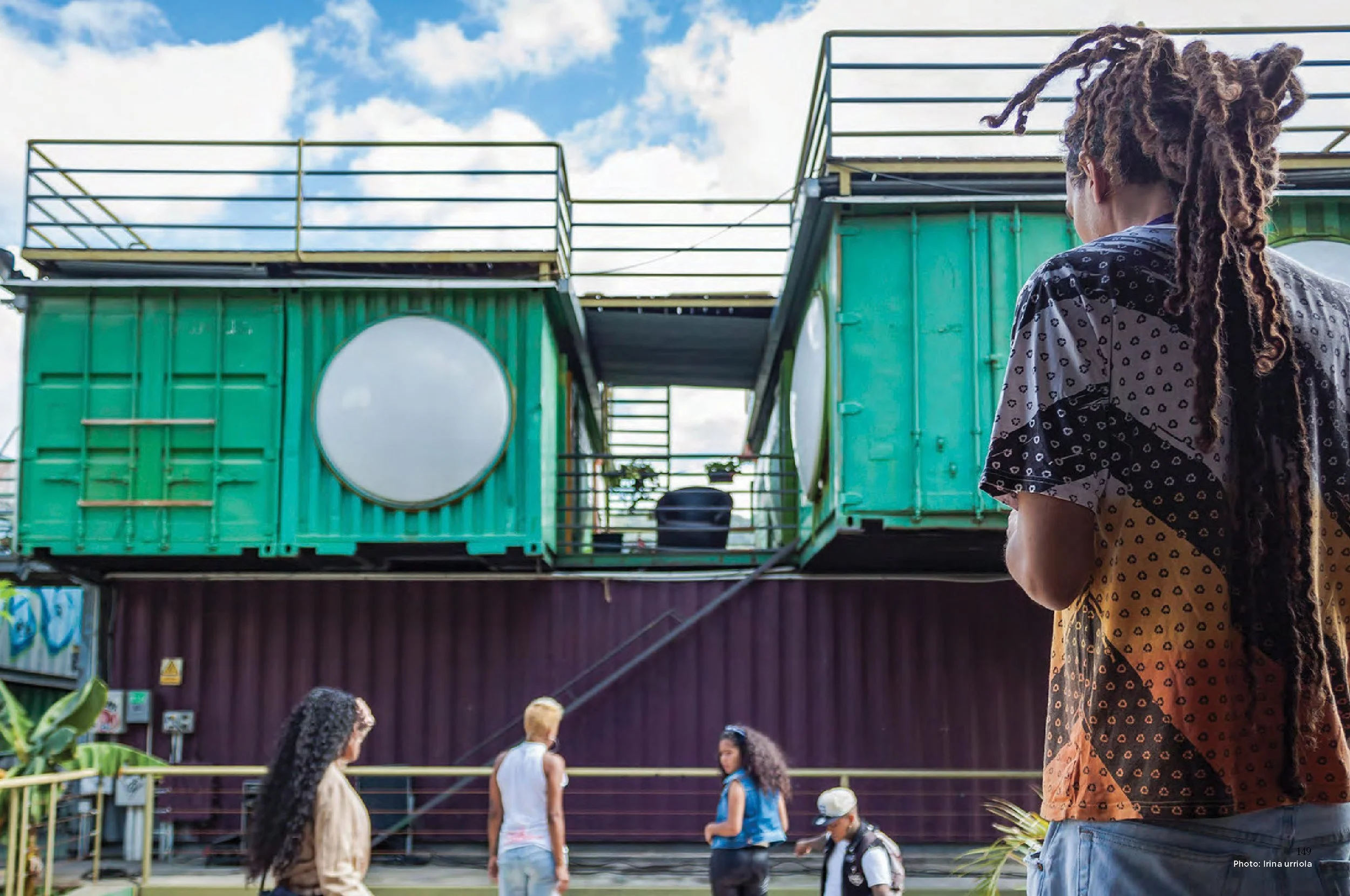
Caracas — Venezuela
In a city marked by inequality and political tension, abandoned and contested spaces can become places of culture, participation and belonging. Caracas shows how communities use creativity to reclaim their neighbourhoods, build trust and generate alternatives to violence and exclusion. Culture becomes a form of urban resistance and collective care.
CURATED BY Alejandro Haiek in collaboration with Luis Pimentel and Xenia Adjoubei.

Hong Kong — China
THE FIVE SENSES OF THE FUTURE
An immersive cave of light, recycled fabrics, clothing and urban secrets transformed Hong Kong into a sensory experience.
Between art, fashion, memory and sustainability, the pavilion revealed a dense and rebellious city shaped by contrasts, emotions and continuous transformation. Discarded materials became luminous architectures, suggesting a future in which care, reuse and imagination can reshape the places we inhabit.
CURATED BY MANUELA CATANIA
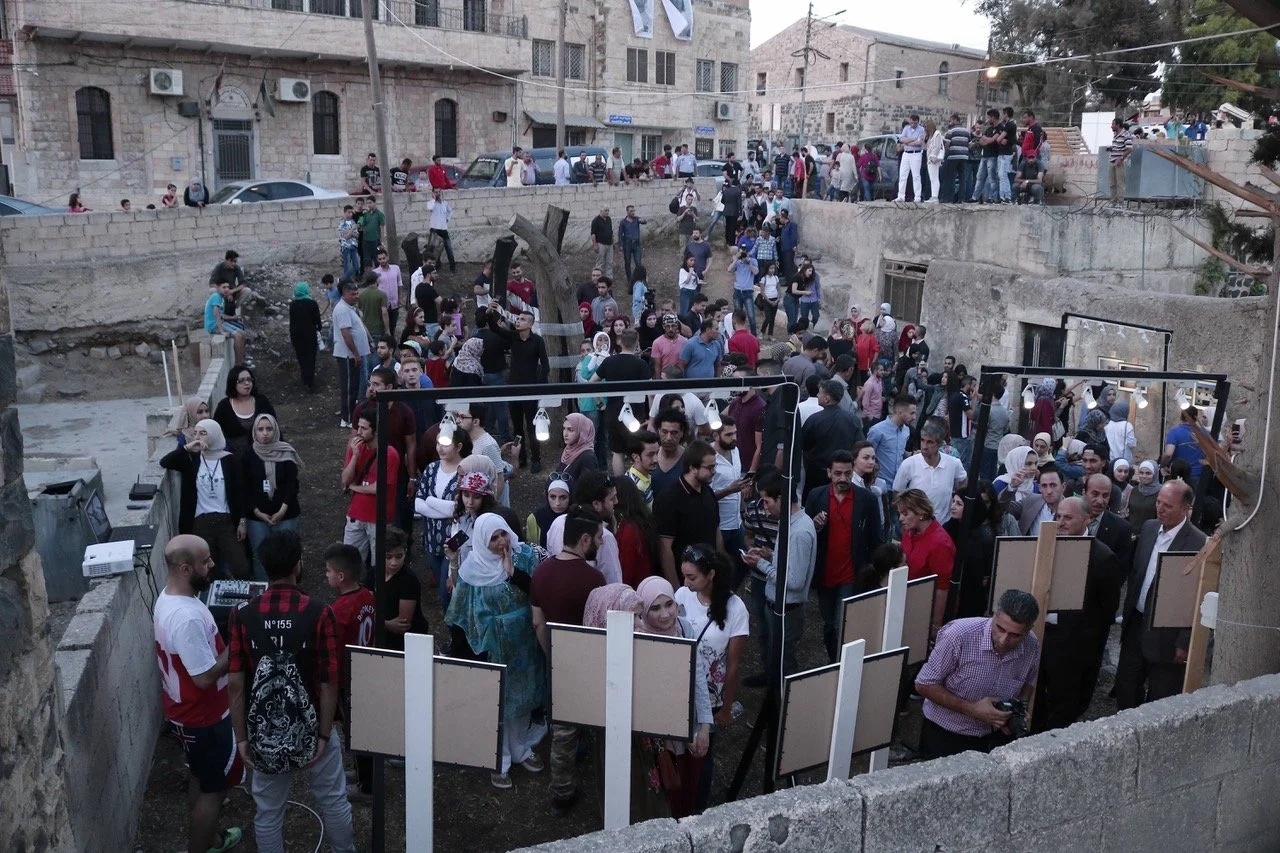
Irbid — Jordan
In Irbid, migration and displacement have profoundly transformed the city’s population and everyday life. The arrival of new communities challenges conventional ideas of home, identity and belonging. The pavilion explores how hospitality, education and shared urban spaces can help people rebuild relationships and imagine a future together.
CURATED BY Fanny Bouquerel
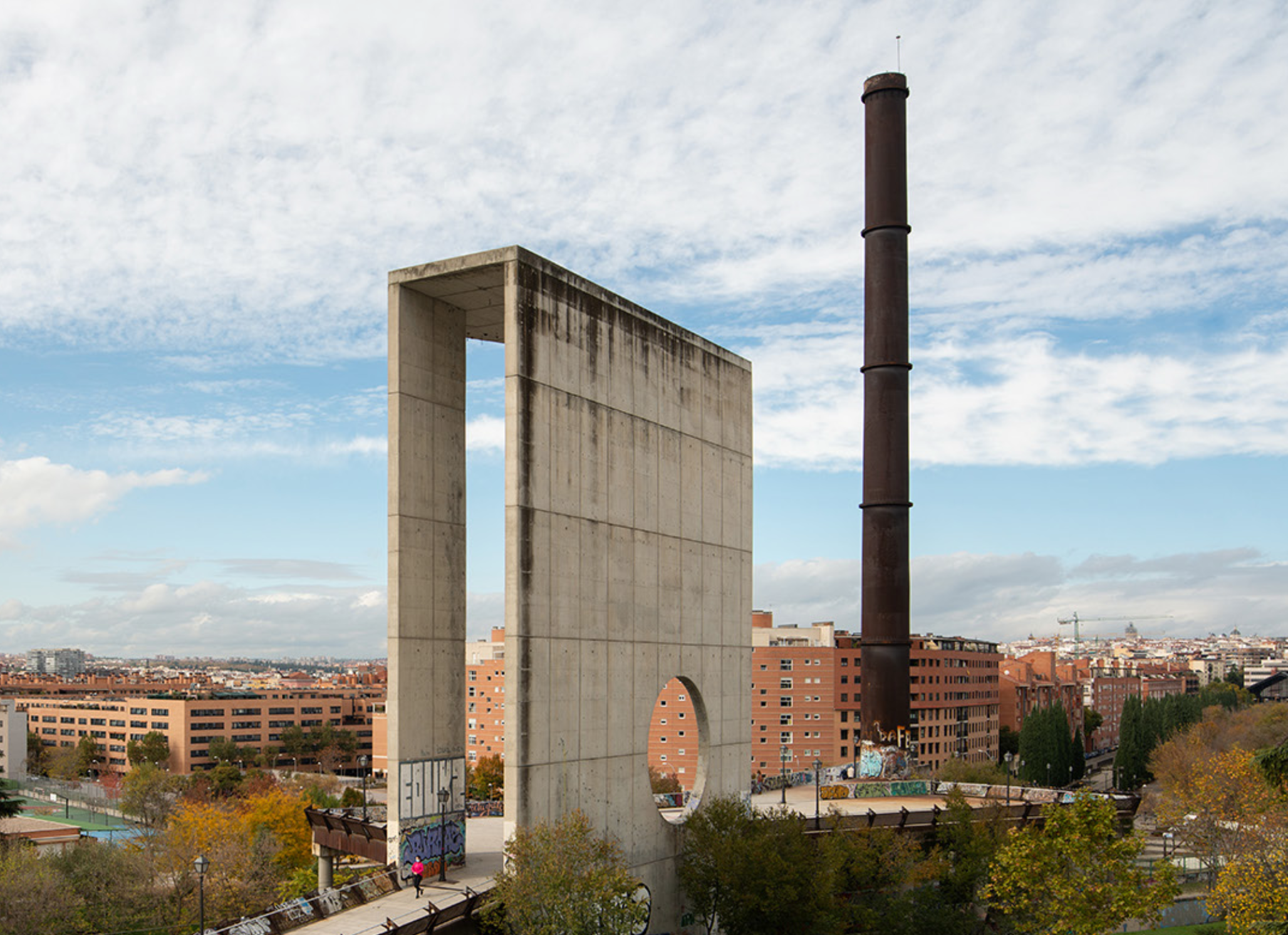
Madrid — Spain
Madrid is explored through the collective practices that return abandoned and underused spaces to public life. Citizens, neighbourhood organisations and cultural communities create new places for meeting, learning and participation. The city emerges not as a finished structure, but as a shared project continuously rewritten by its inhabitants.
CURATED BY Graziella Trovato
Co-curators
Mariagrazia Leonardi, Luis Moya
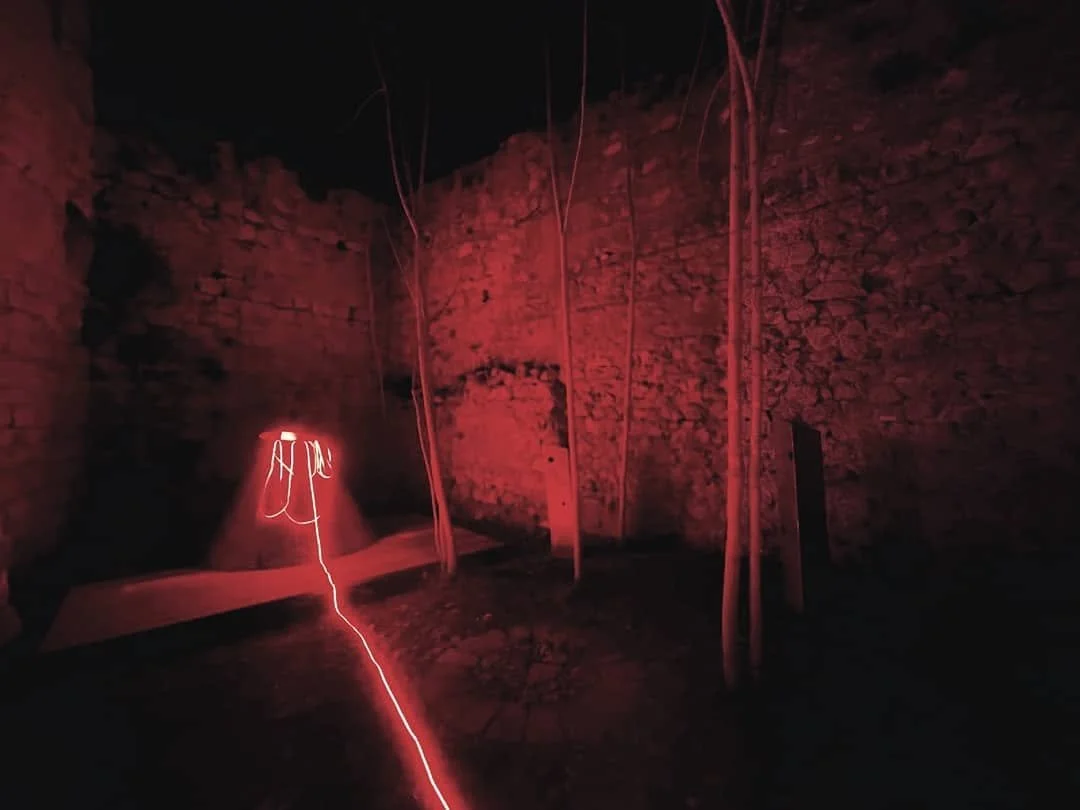
Naples — Italy
Naples is a city where public and private life constantly overlap. Streets, courtyards, markets and neighbourhoods become spaces of exchange, informal economies and collective care. The pavilion explores how the city’s intense social relationships generate resilience, creativity and alternative ways of inhabiting urban space.
CURATED BY Anna Teresa Alfieri e Maria Elena Pedalino.
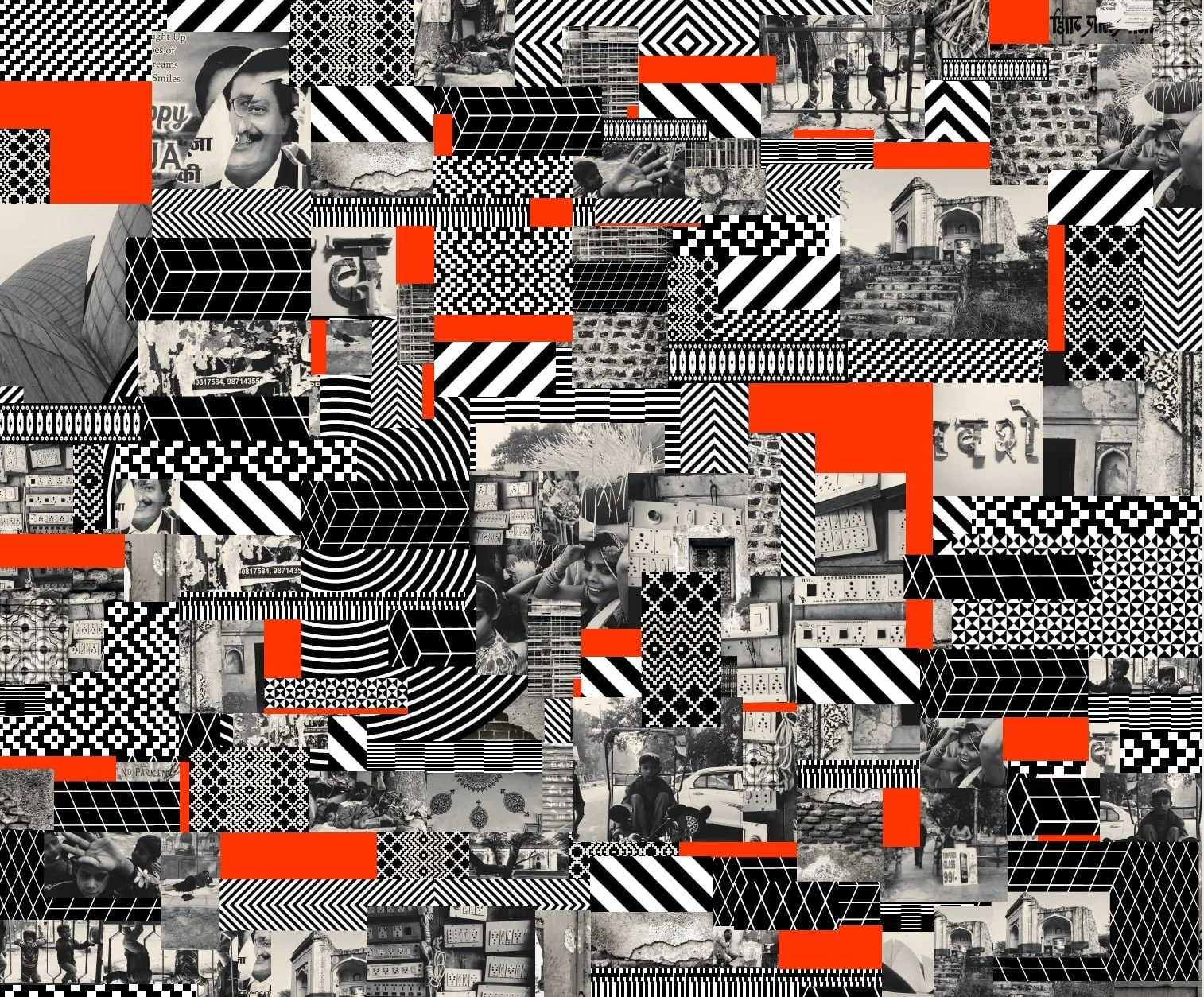
New Delhi — India
DILLI CHALO
In 2020, millions of Indian farmers marched towards New Delhi to oppose agricultural reforms threatening their livelihoods. Their protest revealed the profound connections between rural communities, migration and the future of India’s rapidly expanding cities.
Through the experience of the Lodhi Art District, the pavilion also explored how public art can help communities reclaim physical and symbolic urban spaces beyond social, economic and cultural divisions.
CURATED BY GIULIA AMBROGI AND ALESSANDRA ARPINO
SUPPORTED BY ST+ART INDIA FOUNDATION

Palermo — Italy
Palermo is a Mediterranean city shaped by encounters, migrations and continuous cultural exchange. Its historic centre reveals both the consequences of abandonment and the possibilities created by new communities and civic initiatives. The pavilion asks how hospitality and cultural diversity can become active forces for urban regeneration.
CURATED BY Maurizio Carta.
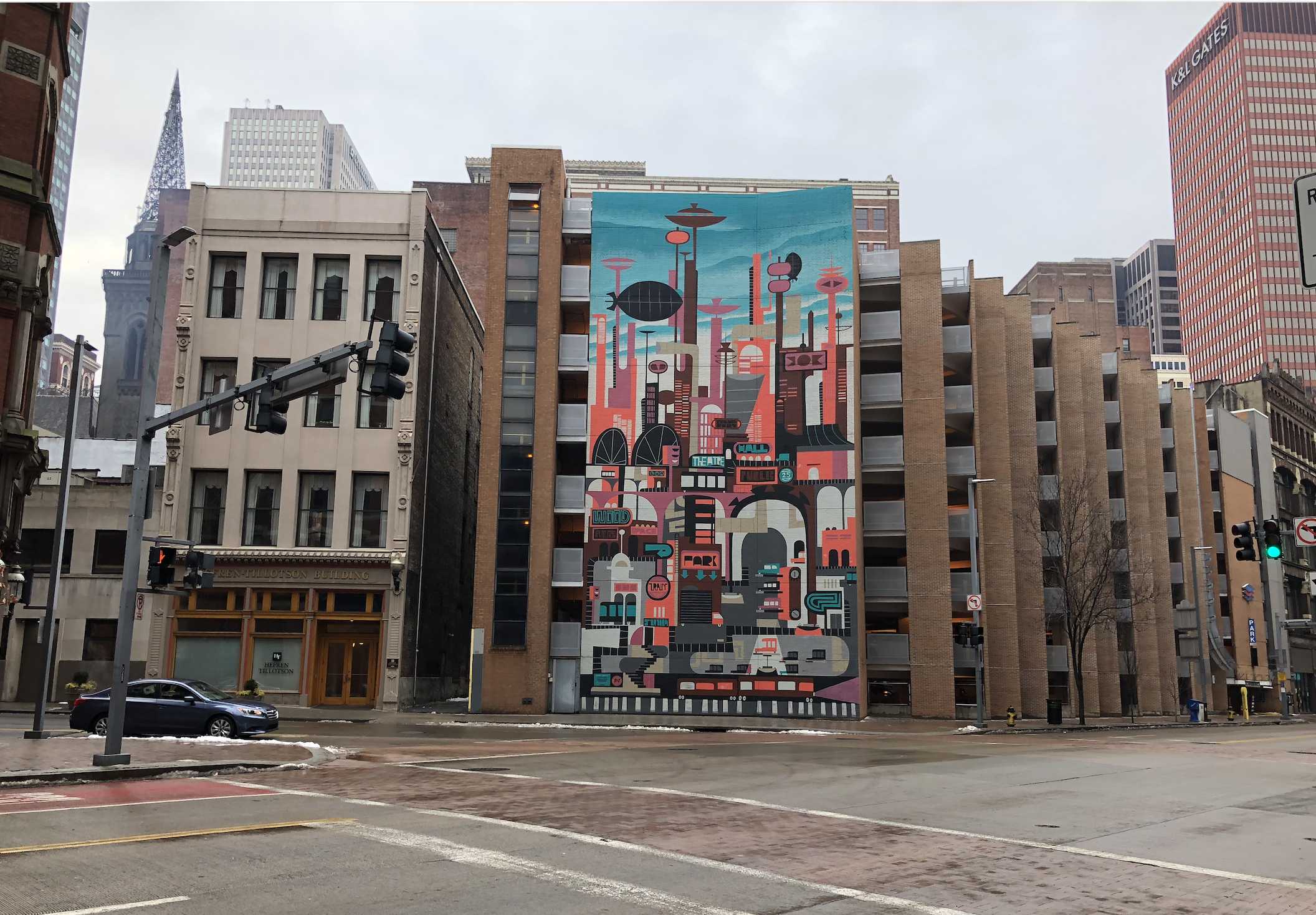
Pittsburgh — United States
Once defined by steel and heavy industry, Pittsburgh has reinvented itself through education, culture, technology and environmental transformation. Its transition demonstrates both the possibilities and contradictions of the post-industrial city. The pavilion explores how regeneration can create new opportunities without erasing industrial memory or excluding existing communities.
CURATED BY Andrea Bartoli
ARTWORKS BY Giuseppe Veneziano

Prato — Italy
PRATO FOREST & CIRCULAR CITY
Prato brings together two complementary urban strategies. Prato Urban Jungle introduces high-density green areas through a collaborative design process, while Prato Circular City applies circular principles to the textile district and the reuse of abandoned industrial spaces.
Together, they present a city using nature, community participation and industrial knowledge to build a more sustainable and resilient future.
CURATED BY CORINNA DEL BIANCO, VALERIO BARBERIS

Puebla — Mexico
Puebla is shaped by a rich architectural heritage, strong craft traditions and the everyday knowledge of its communities. The pavilion explores how local materials, manual skills and small-scale production can remain relevant within the contemporary city, creating work, preserving cultural identity and strengthening relationships between people and place.
CURATED BY Saverio Massaro and Victorino Morales Dávila – EL MUI - Museo Tecnológico de Monterrey

Redeyef — Tunisia
Redeyef is a mining city whose landscape and community have been profoundly shaped by phosphate extraction. Environmental damage, unemployment and social protest reveal the human cost of an economy dependent on natural resources. The pavilion presents the city as a place of struggle, civic resistance and demands for dignity and environmental justice.
CURATED BY Fanny Bouquerel

Santiago de Chile — Chile
Santiago is a city where economic growth coexists with profound social and spatial inequality. Streets and public squares became the stage for a generation demanding dignity, rights and a different future. The pavilion explores the city as a political space shaped by protest, collective imagination and the desire for change.
CUREATED BY Escuela de Arquitectura de la P. Universidad católica de Chile | Alessandro Grossi, Renato d’Alençon, Roberto Moris, Paola Alfaro.

São Paulo — Brazil
SPONTANEOUS LIVING SPACES
Through the self-built homes of Guapira II, the pavilion documented forms of urban growth created directly by residents. These buildings are not unfinished or accidental: they evolve over time in response to family needs, resources and aspirations.
The project asks architecture to understand informal housing as a source of knowledge and to design in closer dialogue with local cultures and everyday life.
CURATED BY CORINNA DEL BIANCO
ARTWORKS BY FILIPPO ROMANO

Soveria Mannelli — Italy
A small town in the Calabrian mountains becomes a prototype for a new rural future. Rather than accepting depopulation as inevitable, Soveria Mannelli explores how culture, digital connections, local production and quality of life can generate new possibilities. The pavilion challenges the idea that innovation belongs exclusively to large cities.
CURATED BY EMILIO SALVATORE LEO
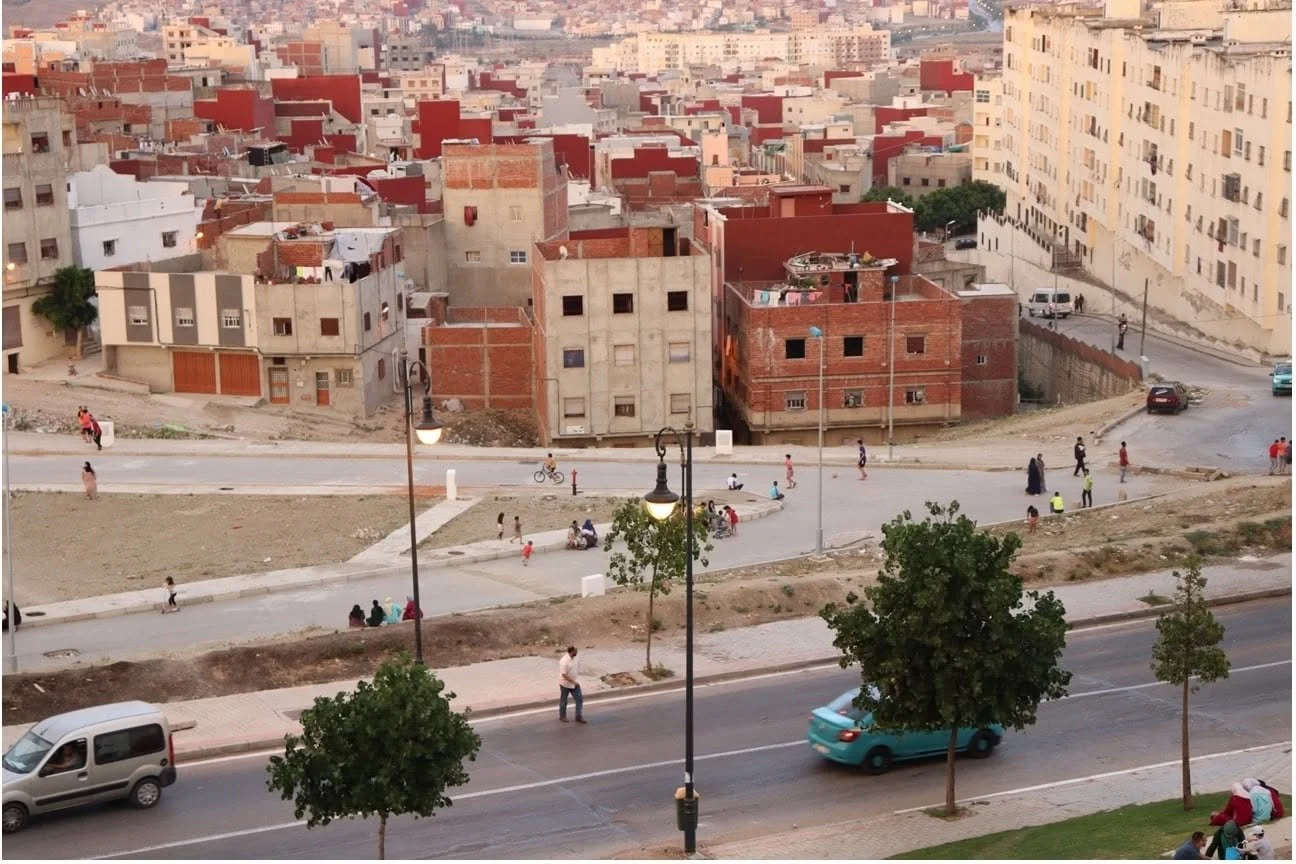
Tangier — Morocco
At the meeting point of Africa, Europe, the Atlantic and the Mediterranean, Tangier has always been a city of passage and encounter. Its architecture and public life reflect multiple languages, memories and identities. The pavilion explores how migration and cultural exchange continually transform the meaning of home and belonging.
CURATED BY Fanny Bouquerel

Tirana — Albania
Tirana has experienced an intense transformation from a closed socialist capital into a colourful and rapidly changing contemporary city. Public art, architecture and informal urban practices have contributed to reshaping its identity. The pavilion examines how creativity can generate civic confidence while questioning the social consequences of accelerated development.
CURATED BY Antonio Iraci

Yirrkala — Australia
In Yirrkala, Yolŋu knowledge connects land, water, ancestors and community within a living cultural system. Art is not separate from everyday life: it preserves memory, communicates law and defends Country. The pavilion places Indigenous knowledge at the centre of a different understanding of place, responsibility and the future.
CURATED BY Miriam La Rosa | Agency