
COUNTLESS CITIES 2019
Urban Africa
FIRST EDITION
The inaugural edition of Countless Cities shifted the geography of the Biennial from nations to cities, beginning with Africa and its extraordinary urban diversity.
Through architecture, photography, research and cultural activism, the Biennial explored emerging forms of leadership, urban resilience, youth movements and social innovation—challenging the stereotypes through which the African continent is too often represented.
More than an exhibition, Countless Cities 2019 was a declaration: to understand the transformations of our time, we must begin with the places where people live, meet, create and imagine their future.
30 CITIES AND PLACES
17 COUNTRIES AND TERRITORIES
4 CONTINENTS
WHAT ARE CITIES?
HOW DO THEY WORK?
WHY DO WE LOVE SOME CITIES MORE THAN OTHERS?
CITIES, CHANGE AND NEW GENERATIONS
The first edition explored how new forms of leadership, urban resilience and the growing awareness of younger generations can transform cities into more inclusive, sustainable and imaginative places.

LEADERSHIP AND GOVERNANCE
RESILIENT CITIES


YOUTH AND NEW URBAN AWARENESS
EXPLORE THE PAVILIONS
ADDIS ABABA Ethiopia · ASMARA Eritrea · BEIJING China · BEIRUT Lebanon · BERLIN Germany · BIRMINGHAM United Kingdom · BOSTON United States · CAIRO Egypt · CHICAGO United States · CHONGQING China · CHOTT EL JERID Tunisia · DETROIT United States · DOUALA Cameroon · IZMIR Türkiye · JERUSALEM Israel / Palestine · LA MARSA Tunisia · LONDON United Kingdom · LUXOR Egypt · MATERA Italy · MEKNES Morocco · MOLISE Italy · NAIROBI Kenya · NEW ORLEANS United States · NEW YORK United States · SIDI BOU SAID Tunisia · SUZHOU China · TBILISI Georgia · TEL AVIV Israel · TUNIS Tunisia · ZHUHAI China

URBAN AFRICA
DAVID ADJAYE’S PHOTOGRAPHIC SURVEY
The Central Pavilion brought together David Adjaye’s photographic research across 53 African capitals. Organised through different geographical and climatic regions, the exhibition revealed a continent of extraordinary architectural diversity, challenging the idea of Africa as a single place with a single story.
CURATED BY
DAVID ADJAYE
Addis Abeba — ETHIOPIA
NEW FLOWER
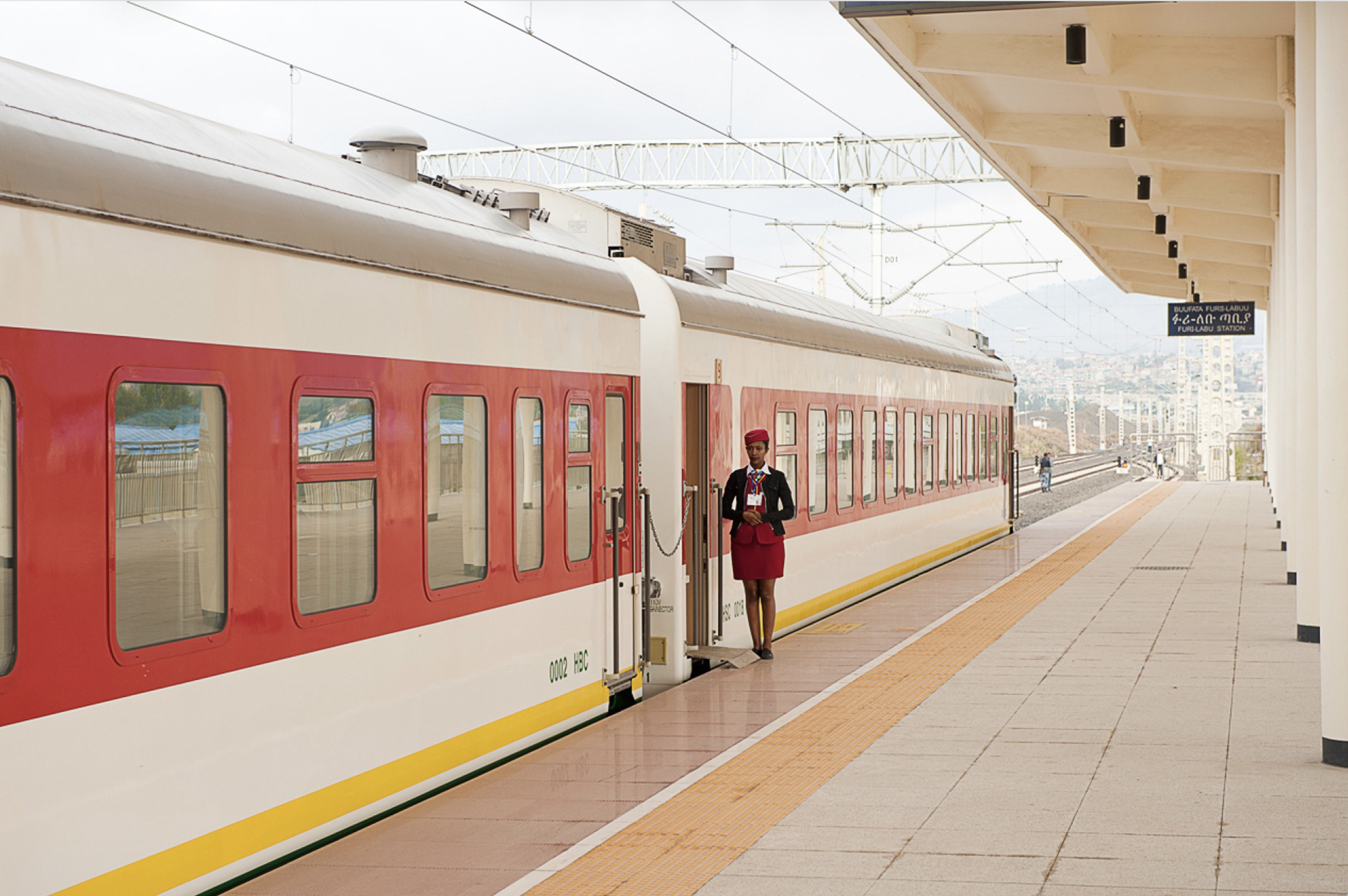
Through Adriano Marzi’s photographs, the pavilion captured Addis Ababa during a period of intense transformation. New buildings, infrastructures and ambitions emerge alongside the city’s everyday life, revealing the energy—and the contradictions—of a capital experiencing a new urban renaissance.
PHOTOGRAPHS BY
ADRIANO MARZI
Asmara — ERITREA
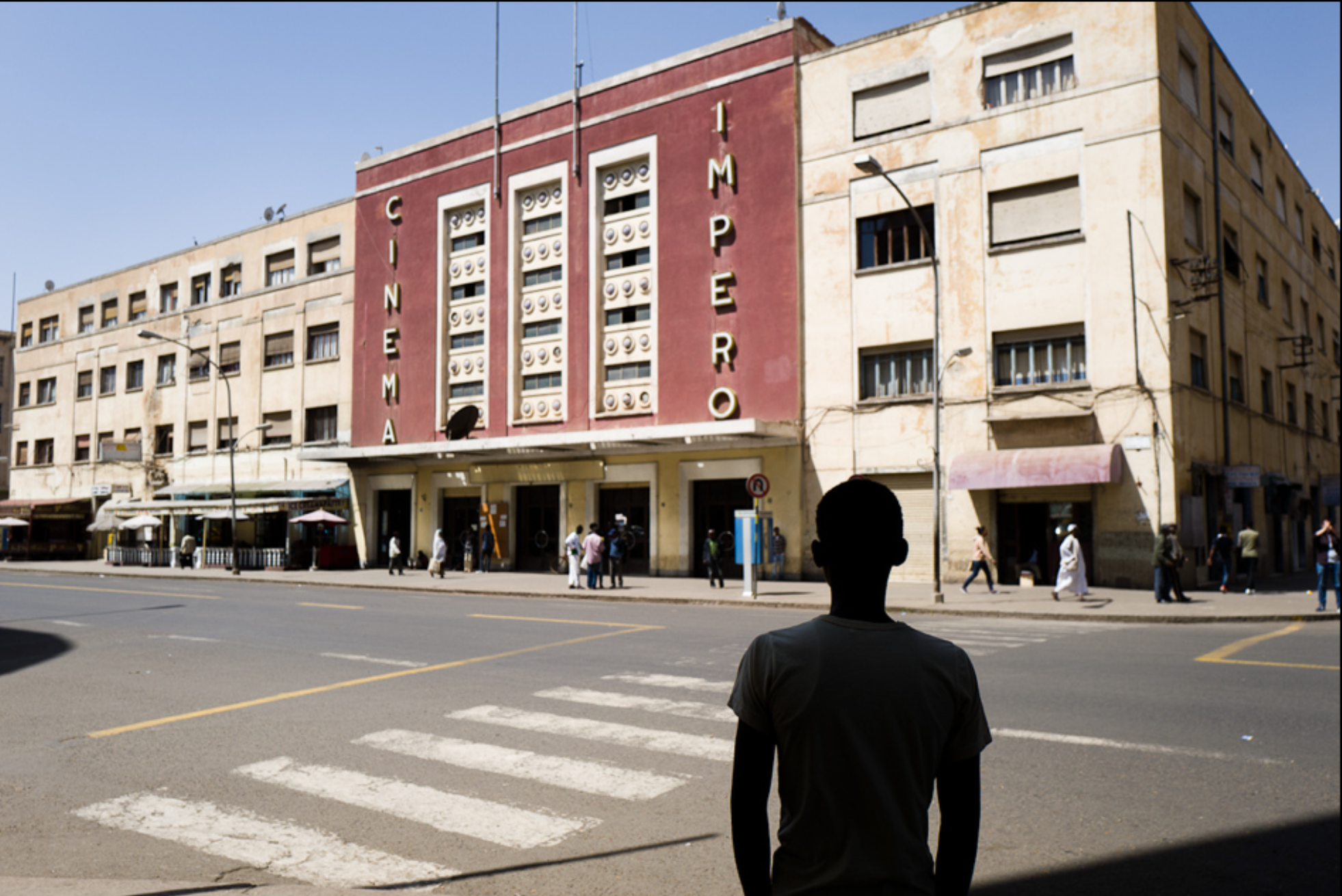
The pavilion presented the places, architecture and atmosphere of Asmara, a city whose remarkable modernist heritage carries the traces of colonial history. Its buildings became a lens through which to explore preservation, identity and the relationship between inherited architecture and contemporary life.
PHOTOGRAPHS BY
CLARA VANNUCCI
Beijing · Suzhou · Zhuhai — CHINA
DESIGN BREAK
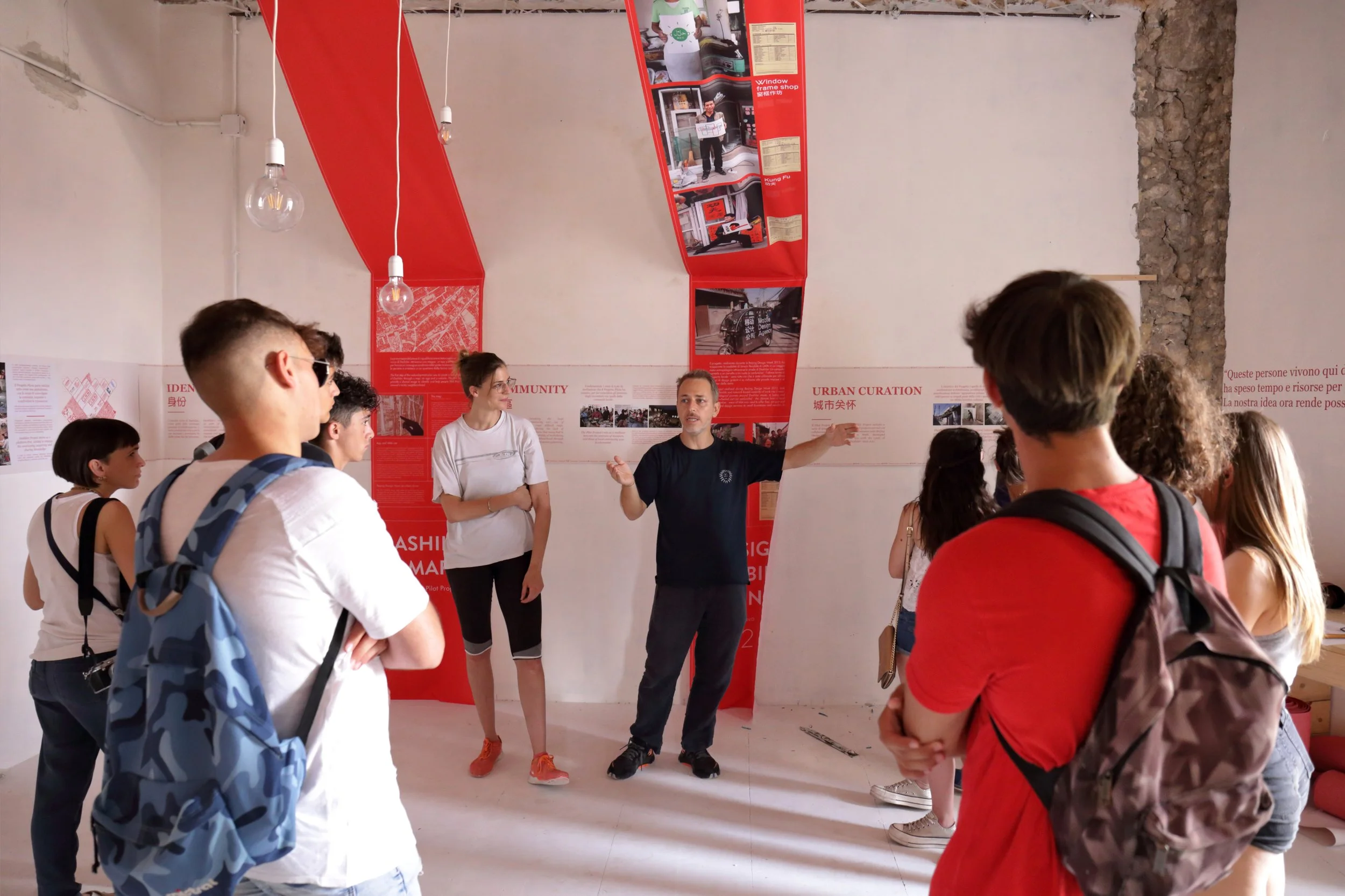
The pavilion explored design as a driver of urban innovation and more sustainable ways of living. Through projects from Beijing, Suzhou and Zhuhai, it showed how architecture, public space and everyday objects can respond to the scale and speed of contemporary urban transformation.
CURATED BY
MICHELE BRUNELLO — ACROSS CHINESE CITIES / XPORT
EXHIBITION DESIGN
DONTSTOP ARCHITETTURA
MICHELE BRUNELLO, MARCO BREGA AND ANDREA ANGELI
TEAM
SHANTI ALBERTI DI CATENAJO, MIRIAM PISTOCCHI AND VITTORIO SUN QUN
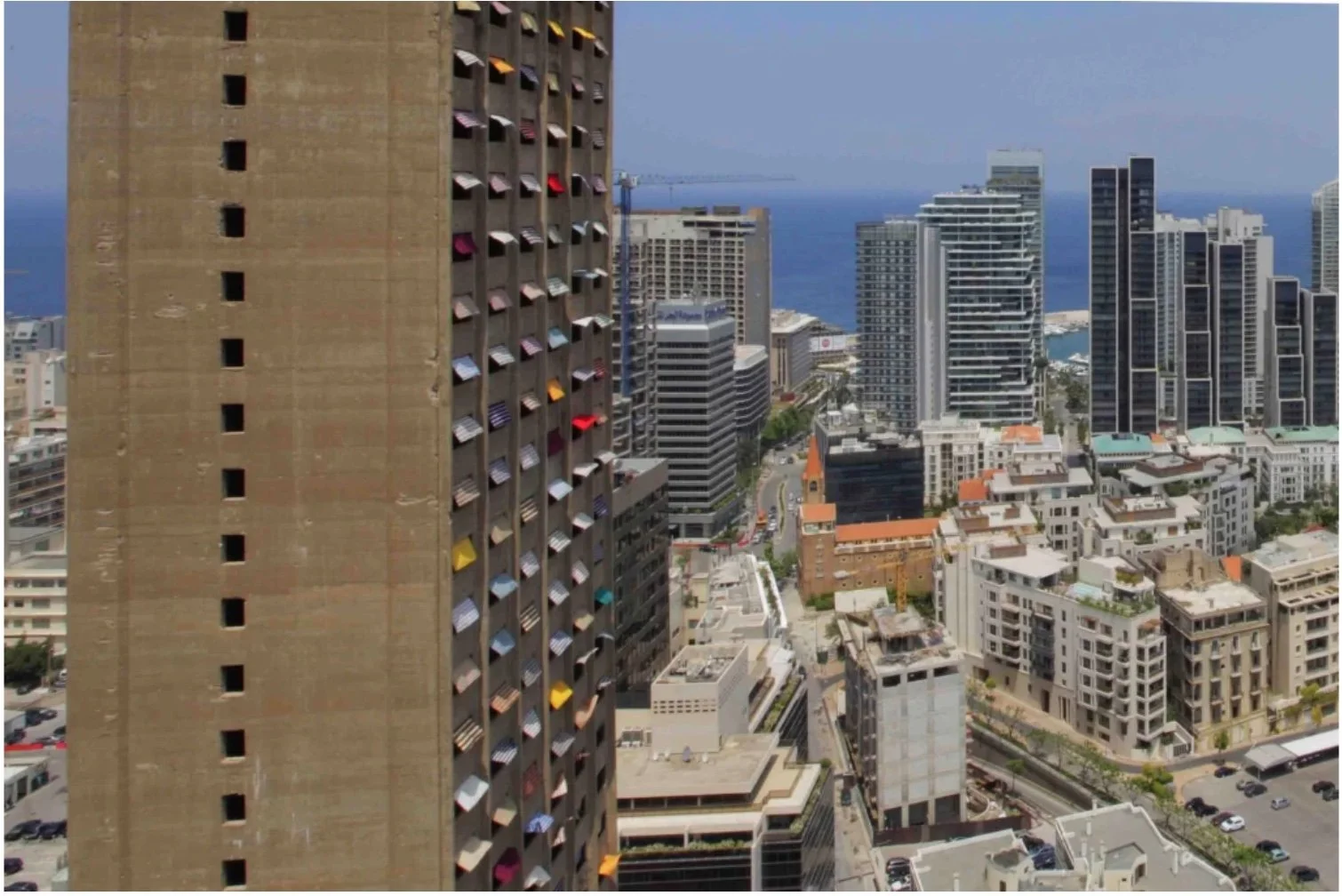
Beirut — LEBANON
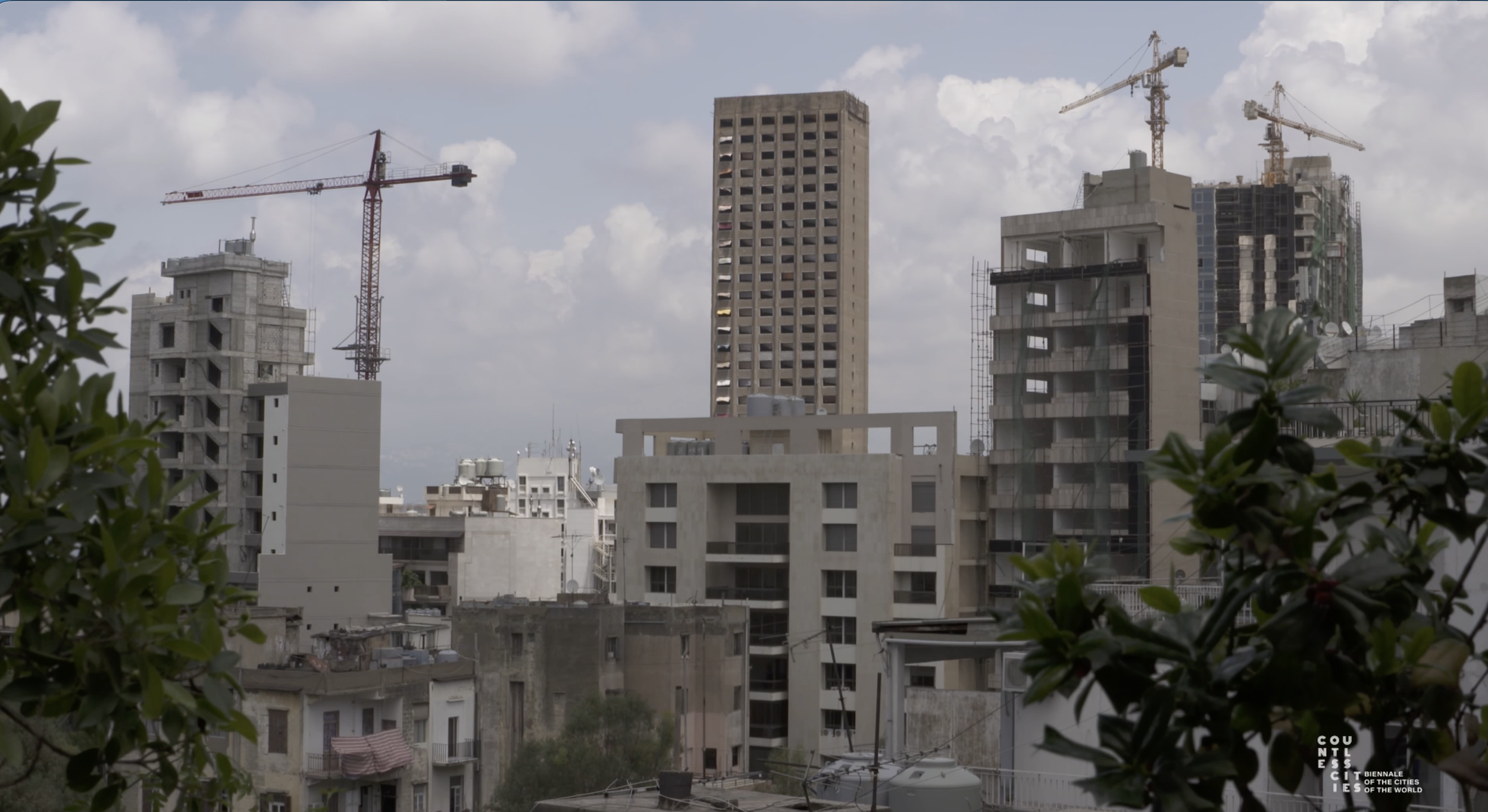
Jad El Khoury’s installation transformed art into a device for distancing painful memories. Through an intervention that was both intimate and urban, the Beirut Pavilion explored how creativity can confront the visible and invisible traces of conflict and create space for healing, imagination and renewal.
CURATED BY
JAD EL KHOURY
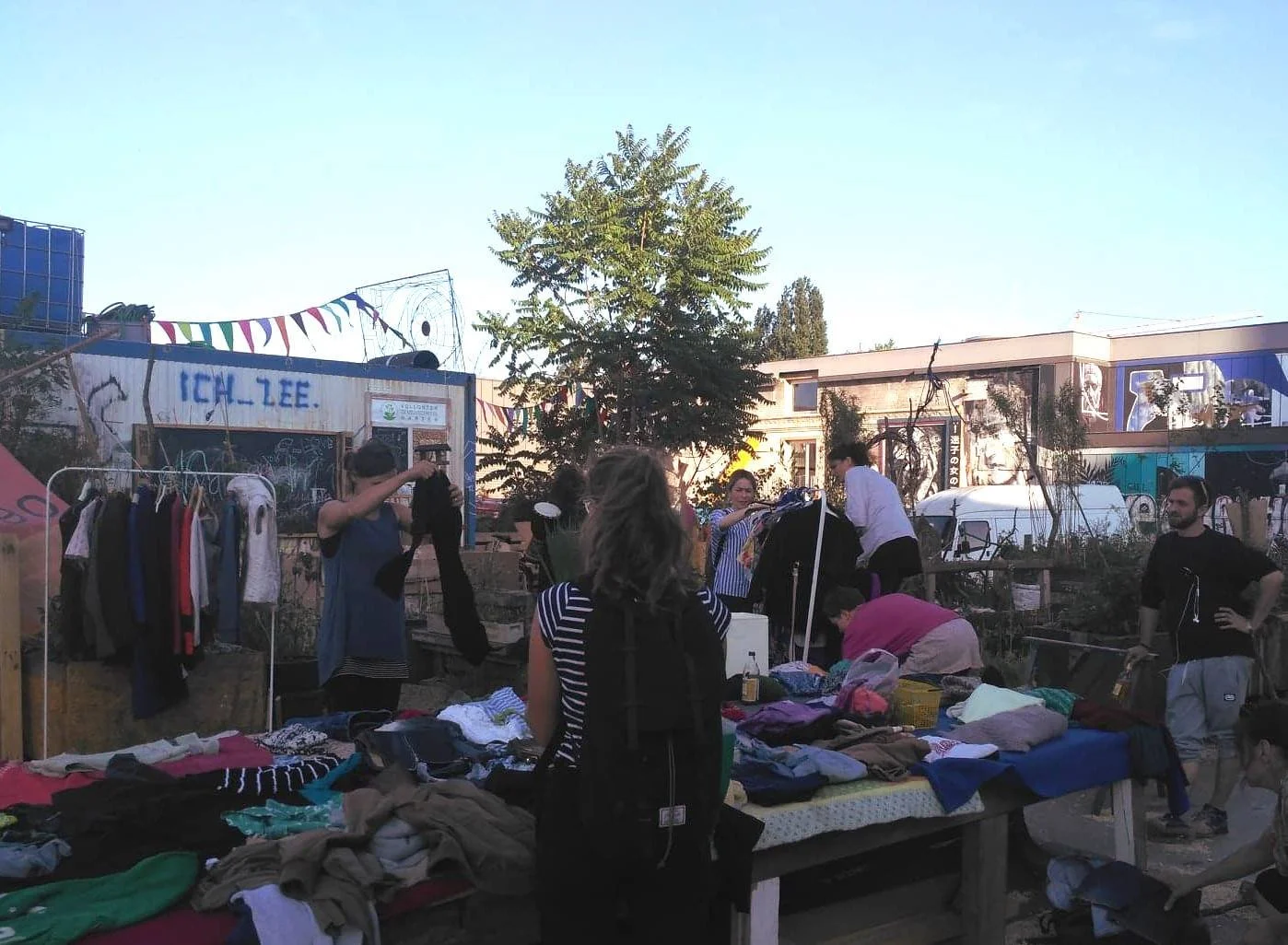
Berlin — GERMANY
BERLIN, GARDEN CITY
Sara Busnardo’s installation explored Berlin’s community gardens and temporarily vacant spaces. Areas awaiting development became laboratories for shared cultivation, alternative economies and new forms of collective life—showing how temporary uses can generate lasting relationships and urban possibilities.
CURATED BY
SARA BUSNARDO
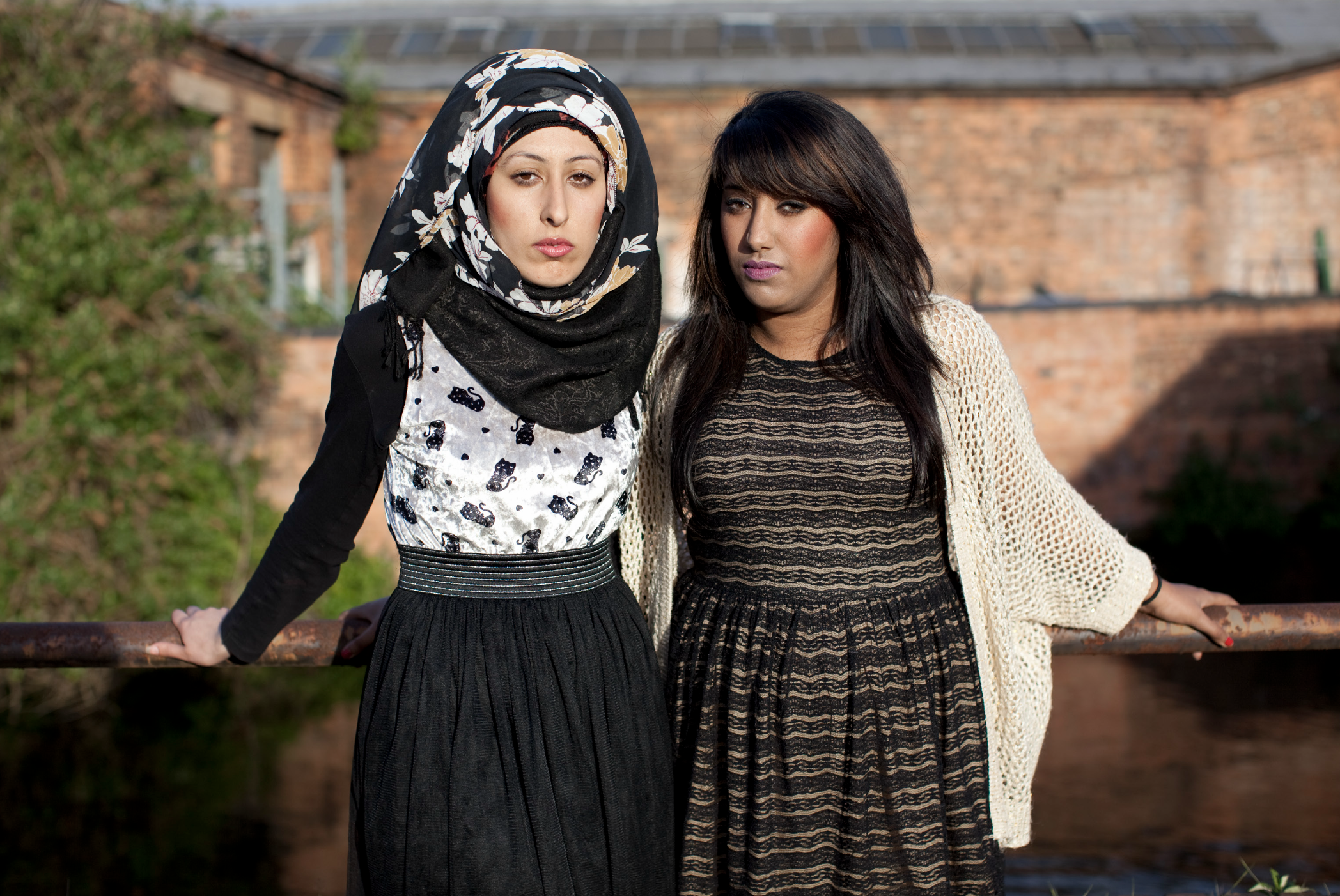
Birmingham — UNITED KINGDOM
The Birmingham Pavilion focused on a new generation’s awareness of the city and its future. Young people’s perspectives revealed how identity, diversity and participation can reshape the narrative of a post-industrial city and transform its inherited spaces into places of possibility.
PHOTOGRAPHS BY
MAHTAB HUSSAIN
Boston · Chicago · New Orleans · New York — UNITED STATES
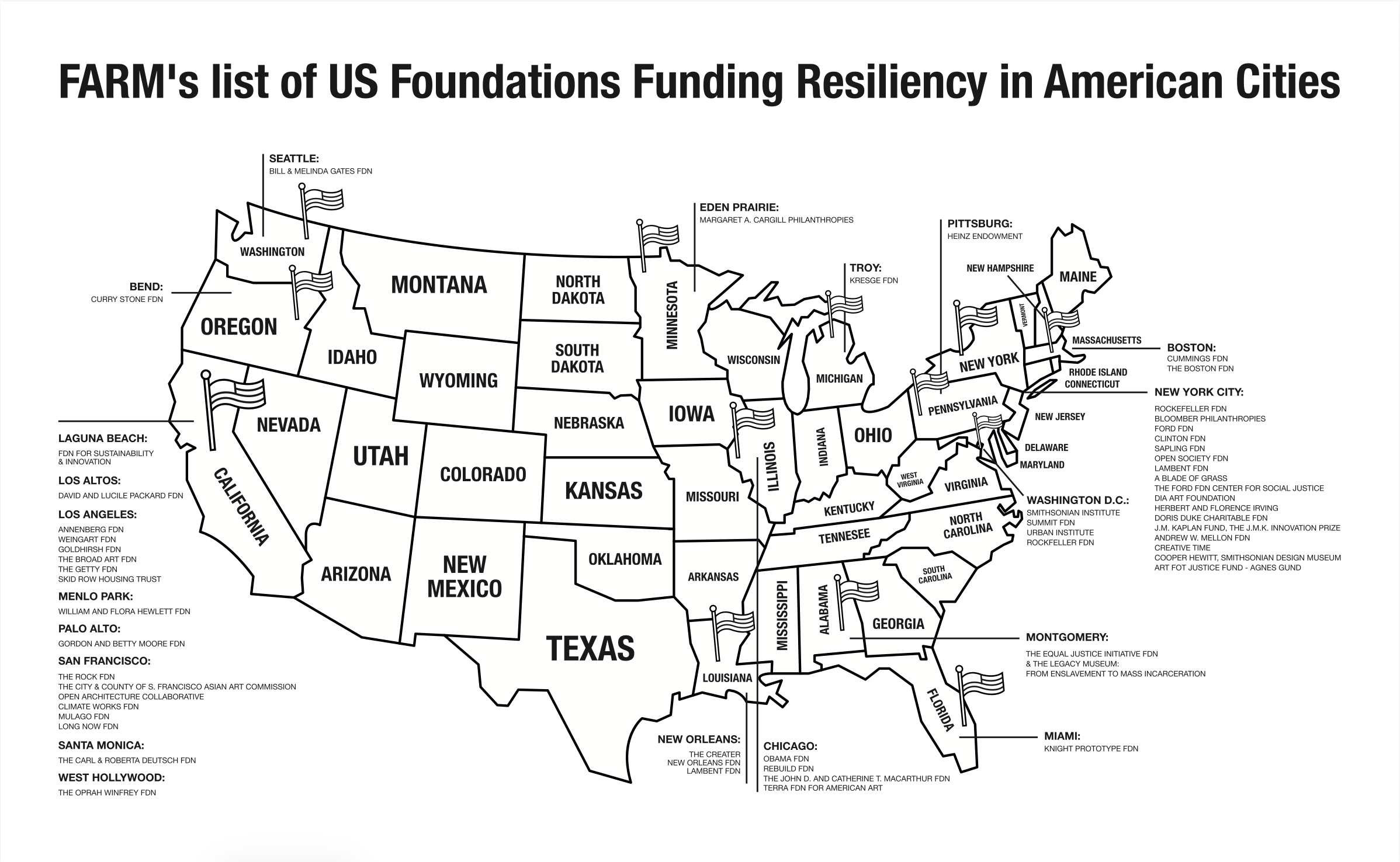
GIVE BACK: THE IMPACT OF AMERICAN FOUNDATIONS
The pavilion explored how American foundations support culture, education, research, community development and urban resilience. Through four cities, it examined philanthropy’s potential to create opportunities and lasting social impact, while raising questions about power, responsibility and the meaning of giving back.
CURATED BY
NITA STURIALE

Cairo — EGYPT
GARBAGE CITY
The pavilion entered the community of the Zabbaleen, established beneath Cairo’s Mokattam Mountain. Through an extraordinary system of collecting, sorting and recycling the city’s waste, Garbage City revealed a community too often ignored but essential to the environmental functioning of the Egyptian capital.
CURATED BY ANDREA BARTOLI
INSTALLATION ANALOGIQUE
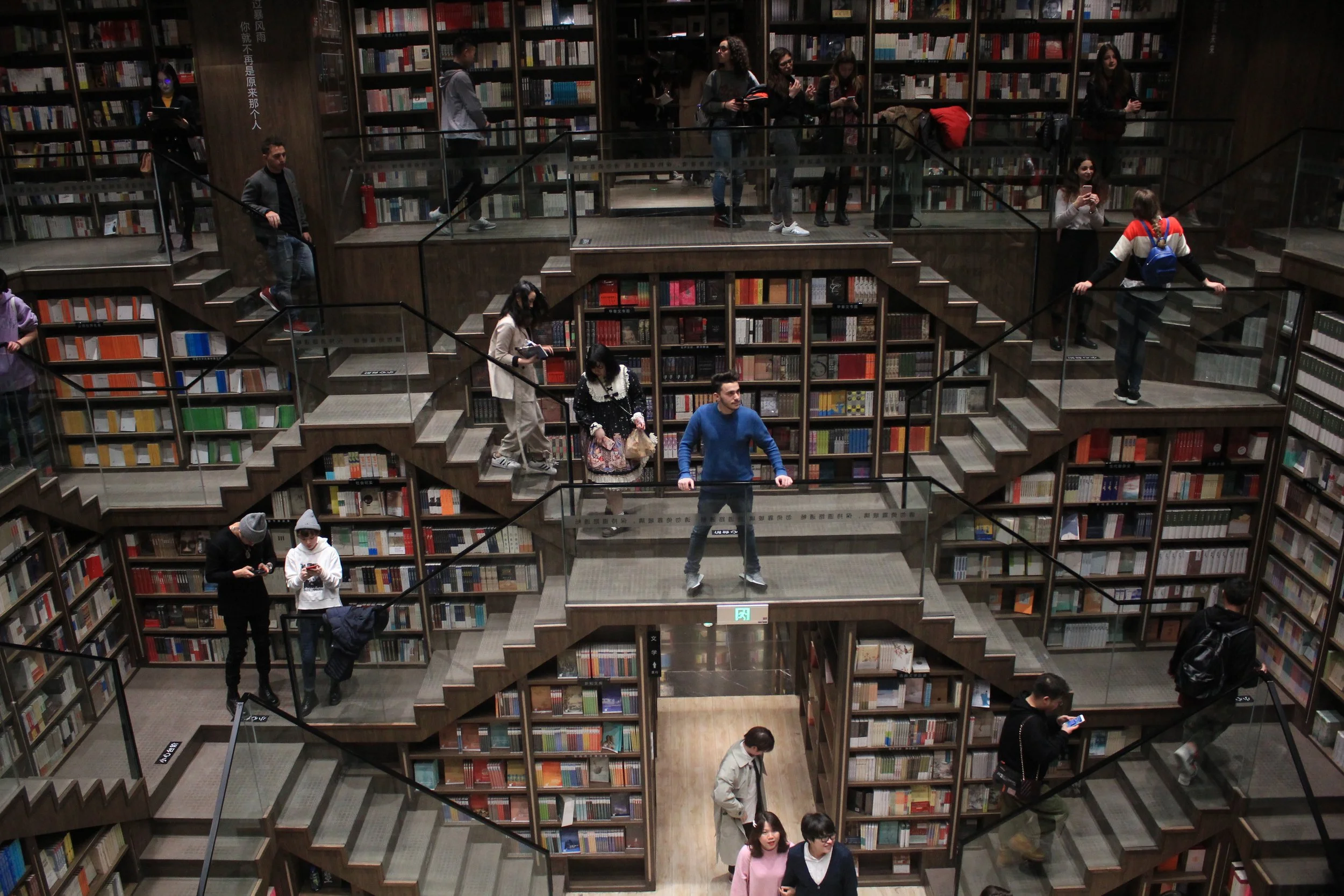
Chongqing — CHINA
ZHONGSHUGE BOOKSTORE
The pavilion presented Chongqing through the extraordinary Zhongshuge Bookstore, where mirrored surfaces, staircases and books create an apparently infinite interior landscape. The project explored how contemporary design can transform a commercial space into an immersive cultural experience within a rapidly changing megacity.
CURATED BY ANTONIO BENNICA
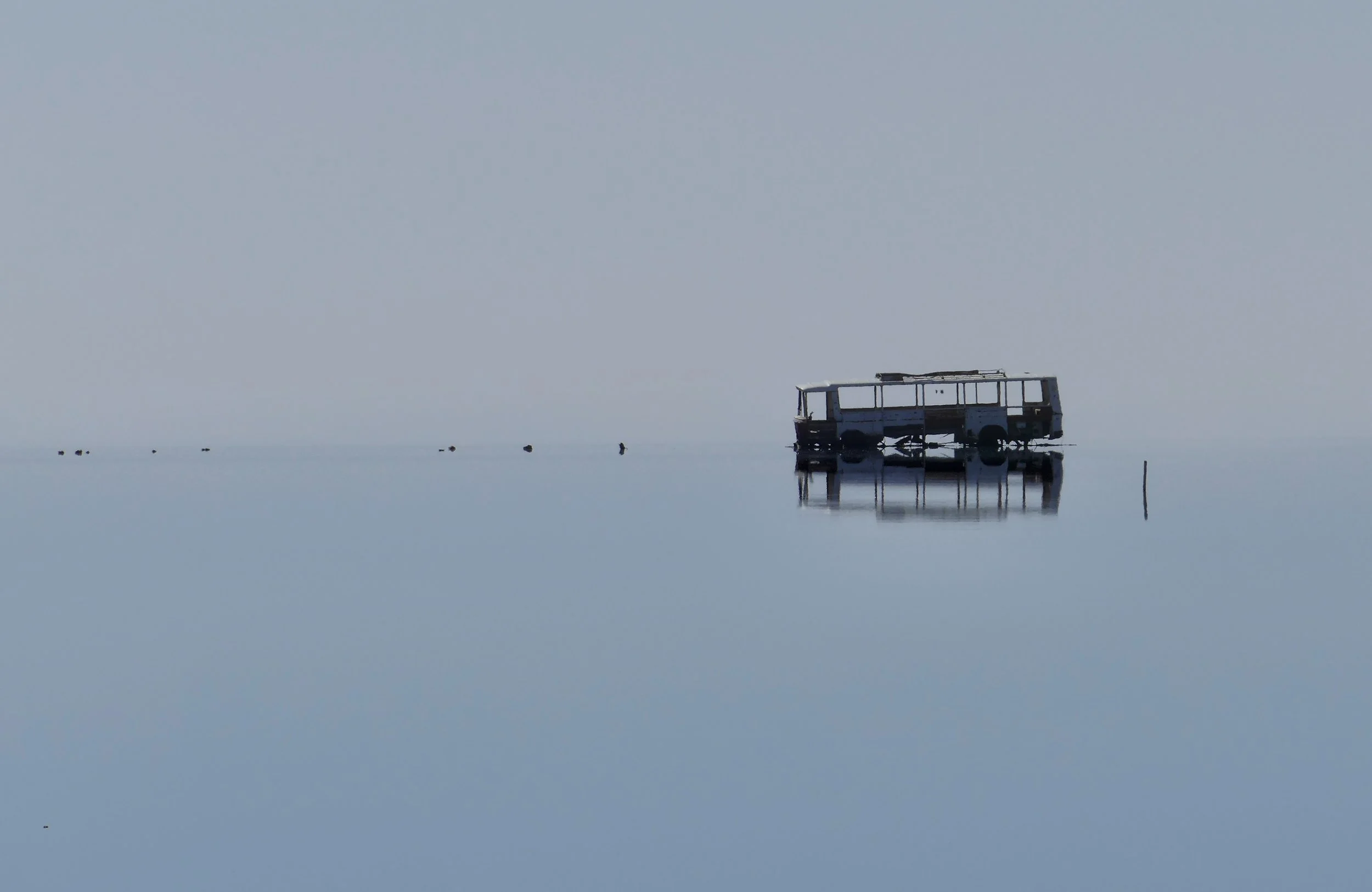
Chott El Jerid — TUNISIA
Chott El Jerid is a vast salt lake suspended between land, water and desert. Its constantly changing surface offered a reflection on fragile landscapes, climate and perception, revealing how even apparently uninhabited places possess their own identity, memory and forms of life.
CURATED BY ZINO CITELLI
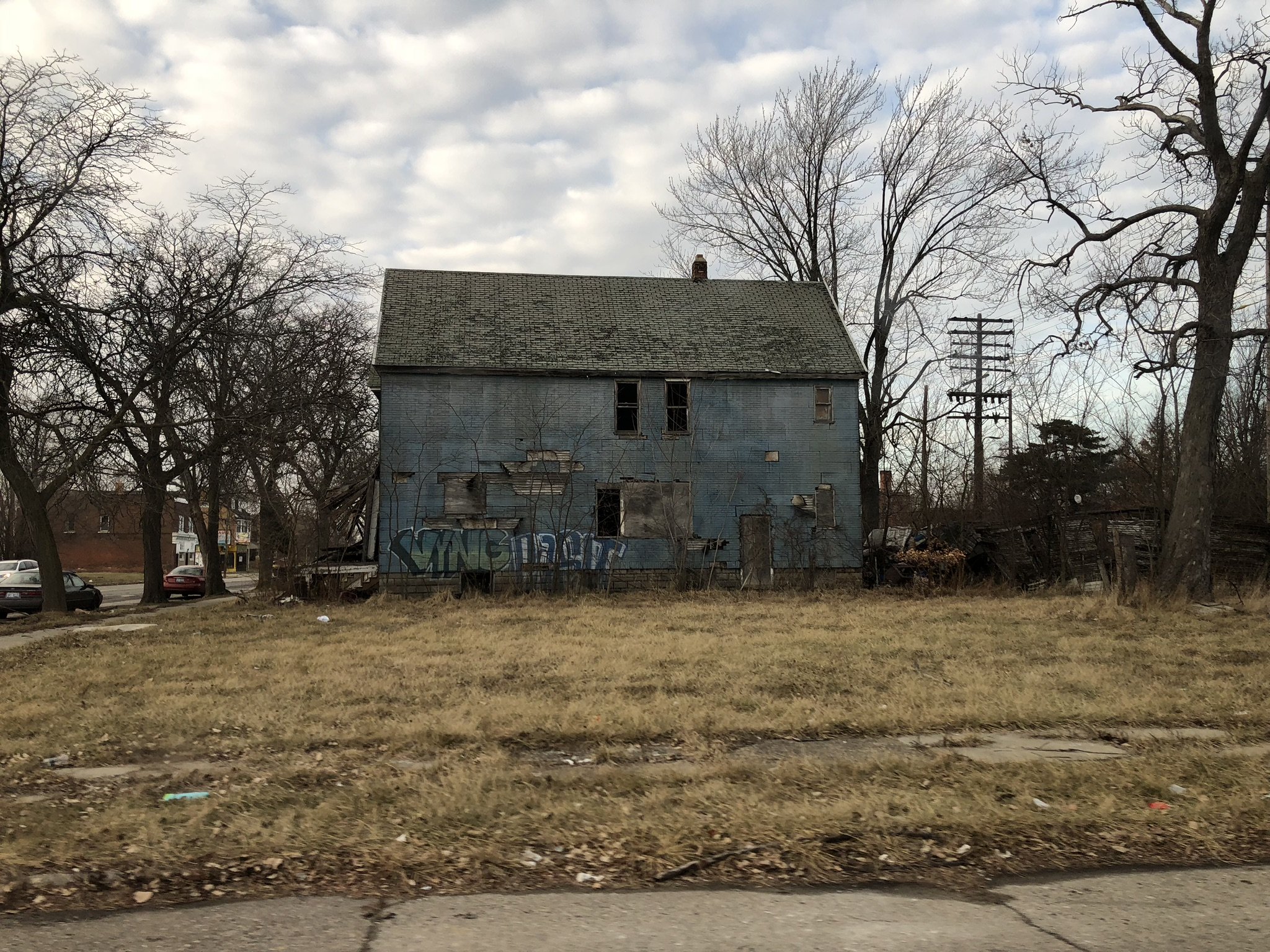
Detroit — UNITED STATES
The pavilion presented Detroit’s regeneration from the perspective of its residents. Following decades of disinvestment and population loss, communities reclaimed a central role in rebuilding neighbourhoods, demonstrating that a city can only recover when its citizens participate in shaping its future.
PRESENTED BY
THE CITY OF DETROIT
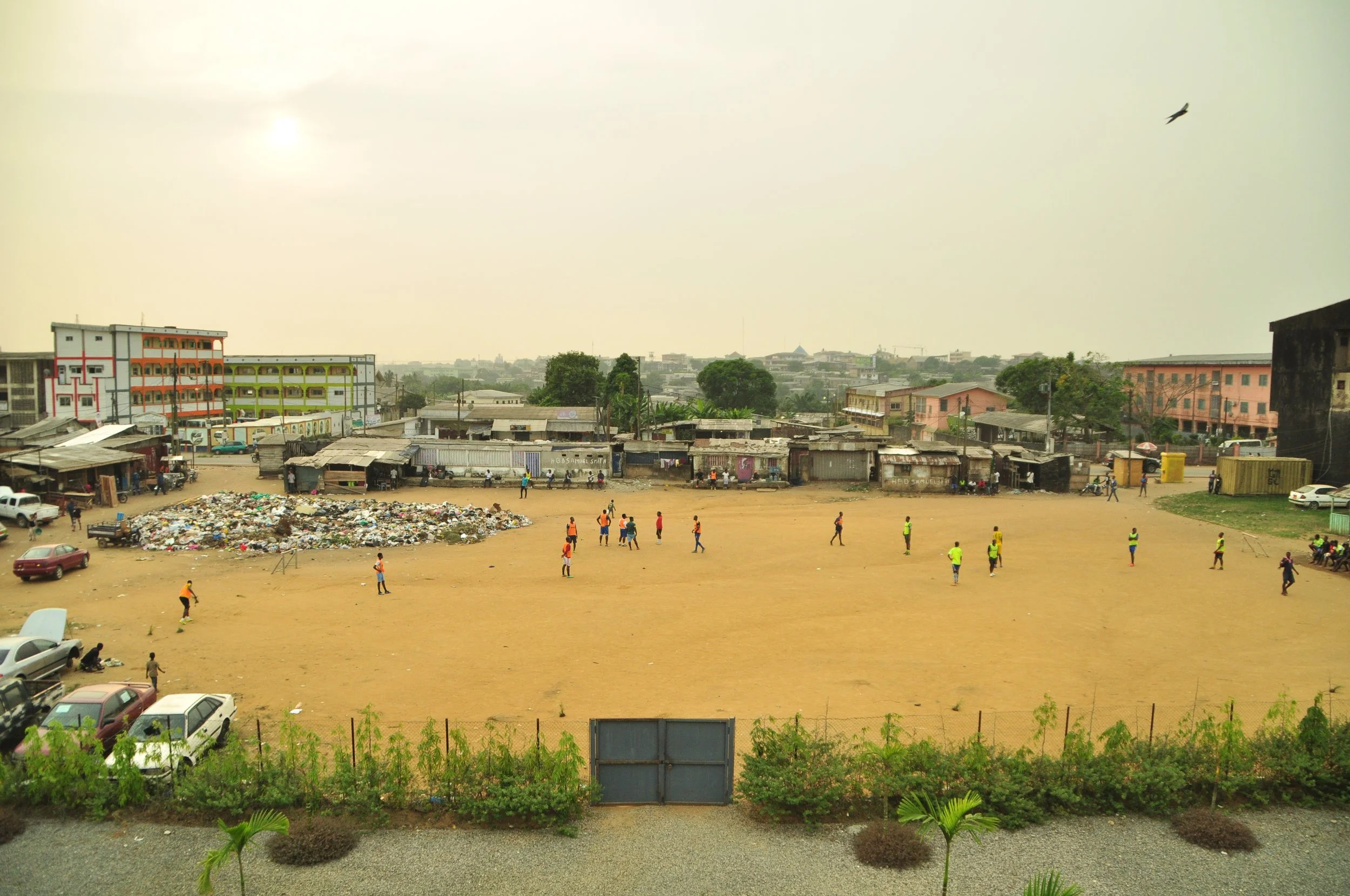
Douala — CAMEROON
WITNESSES OF A BIRTH
Douala was presented as a city being built before our eyes. The pavilion explored culture as a catalyst for development, documenting how architecture, informal practices and creative initiatives emerge from the energy and resourcefulness of a rapidly growing urban community.
CURATED BY
DONTSTOP ARCHITETTURA WITH ANDREA ANGELI
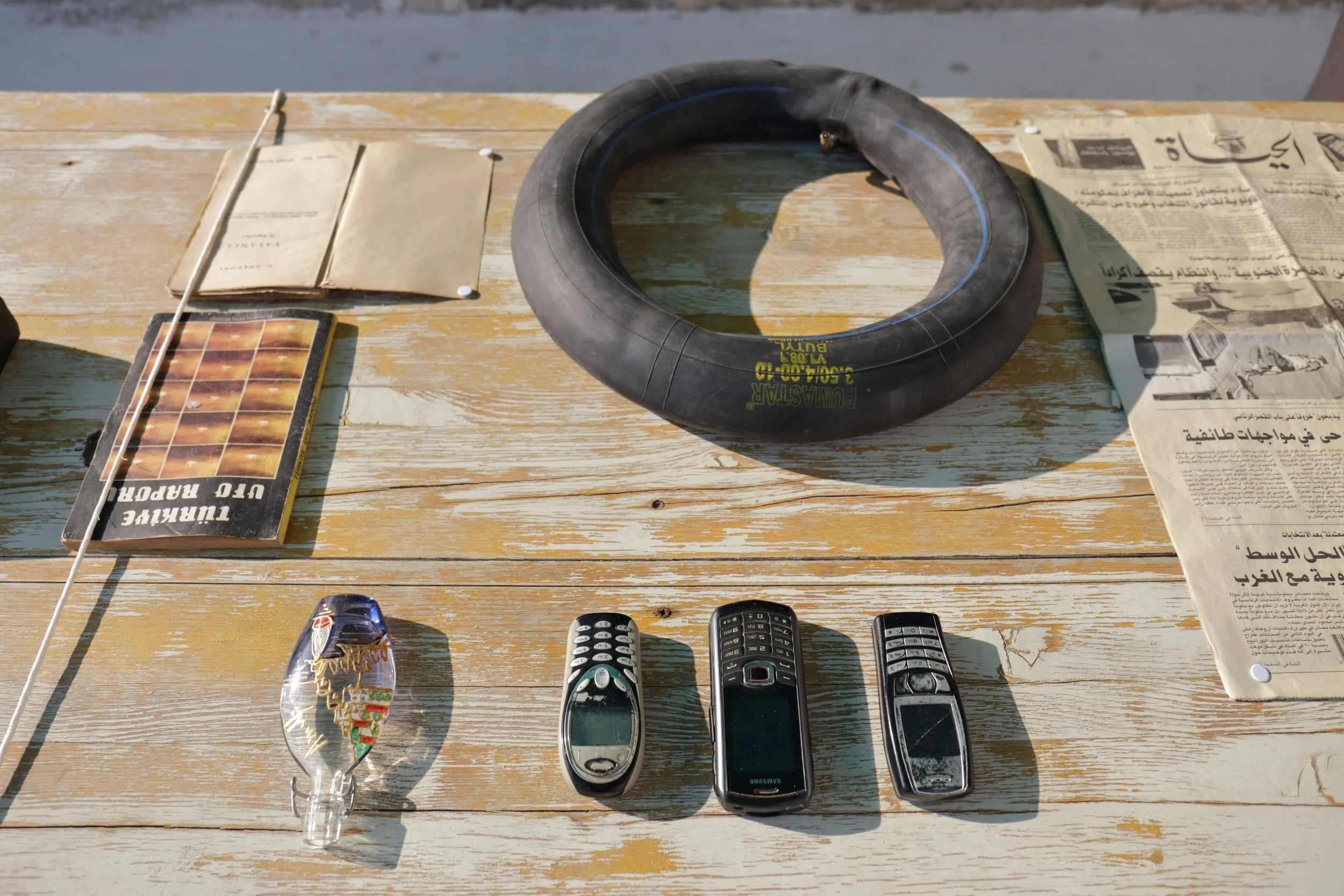
Izmir — TÜRKİYE
THE INVISIBLE BOUNDARIES OF MINOR ASIA
Beginning with Izmir’s layered history, the pavilion investigated the identities that have crossed and inhabited Asia Minor. Images, objects and artistic interventions made its invisible boundaries perceptible, transforming the city into a reflection on migration, memory and belonging between Europe and Asia.
CURATED BY
STEFANO PUGLIESE AND ALI MATAY
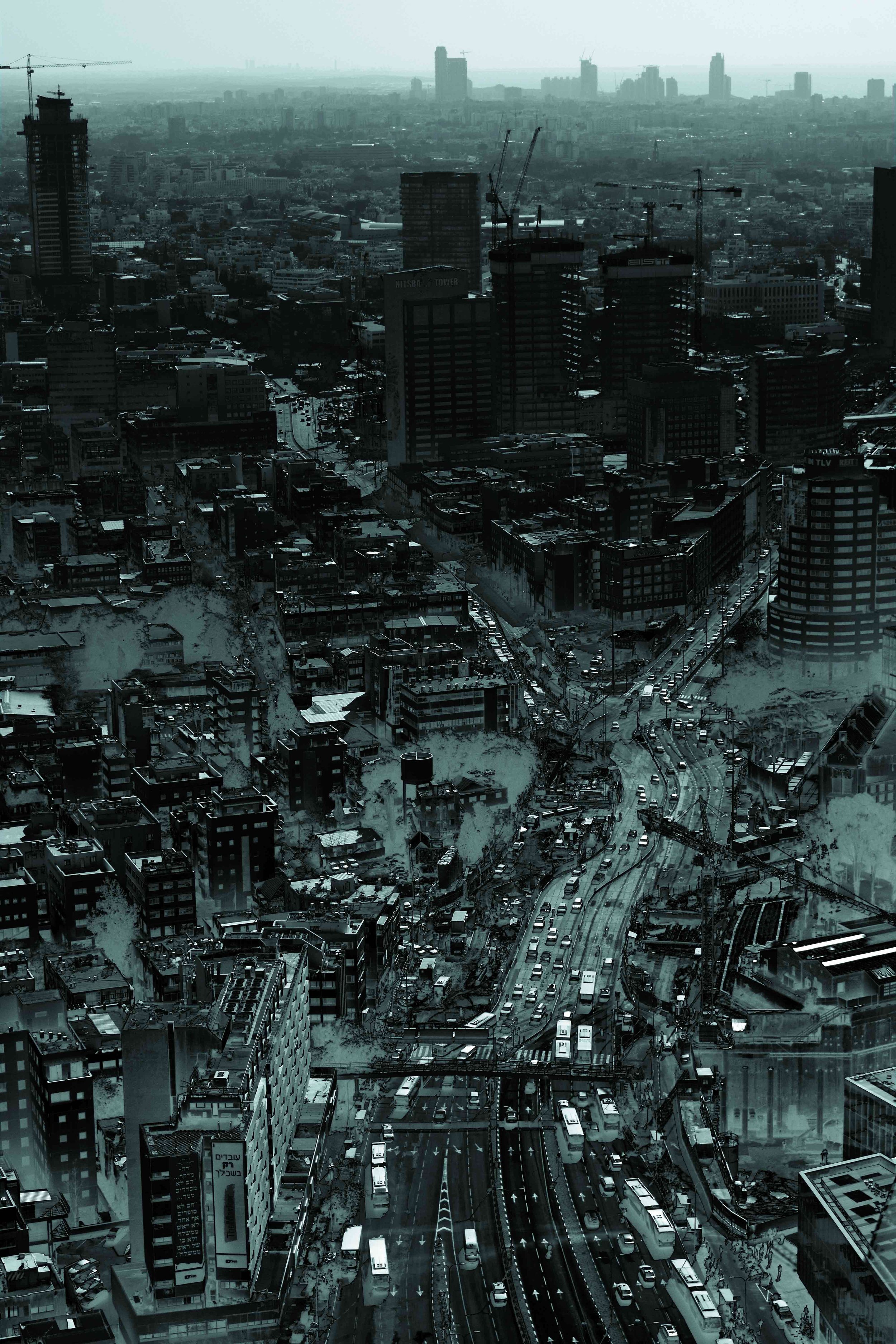
Jerusalem — ISRAEL / PALESTINE · Tel Aviv — ISRAEL
TWO CITIES, TWO TEMPORALITIES
Jerusalem and Tel Aviv were presented as cities experiencing time in profoundly different ways: crystallisation and repetition in Jerusalem, acceleration and expansion in Tel Aviv. Through Jona Di Paola’s photographs, the pavilion explored how architecture, movement and everyday life reveal two contrasting yet interconnected urban identities.
CURATED BY
JONA DI PAOLA
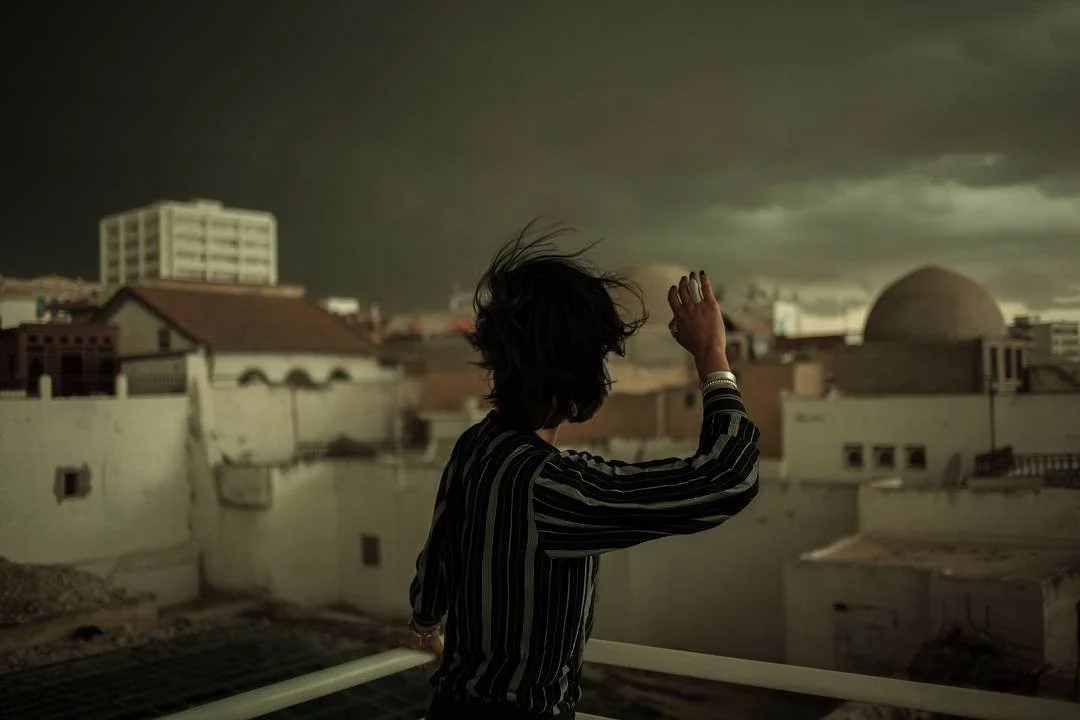
La Marsa — TUNISIA
The pavilion explored the growing civic and cultural awareness of young Tunisians after the revolution. Through their experiences, La Marsa became a place from which to reflect on freedom, participation and the responsibility of a new generation in shaping democratic urban life.
CURATED BY
JASSER LAHDIRI
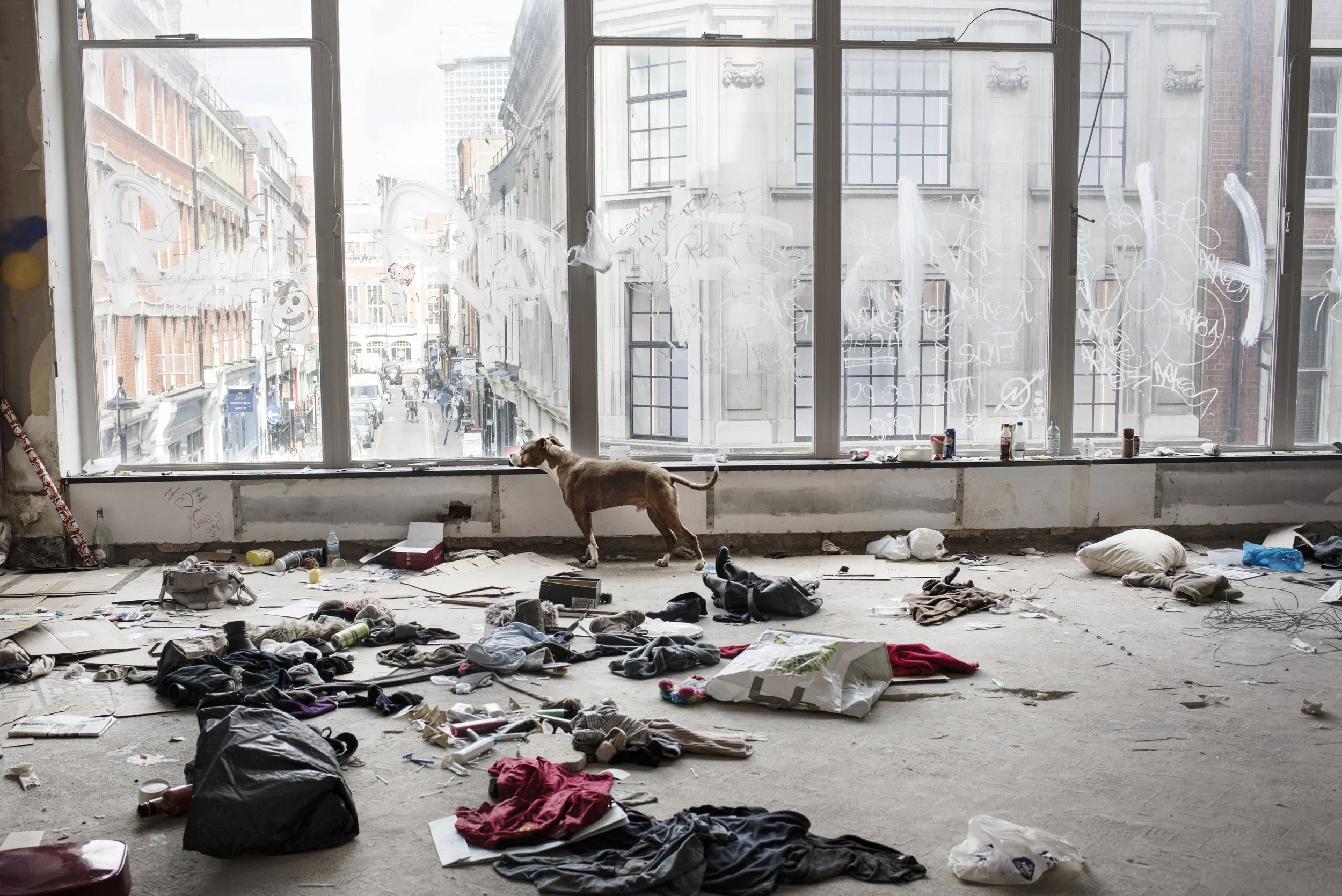
London — UNITED KINGDOM
BRUTAL LONDON
Through photography, the pavilion documented protest and resistance against London’s accelerating gentrification. Brutalist buildings and contested neighbourhoods became witnesses to the social consequences of redevelopment and to the struggle of communities defending their right to remain in the city.
CURATED BY
ALESSIA GAMMAROTA
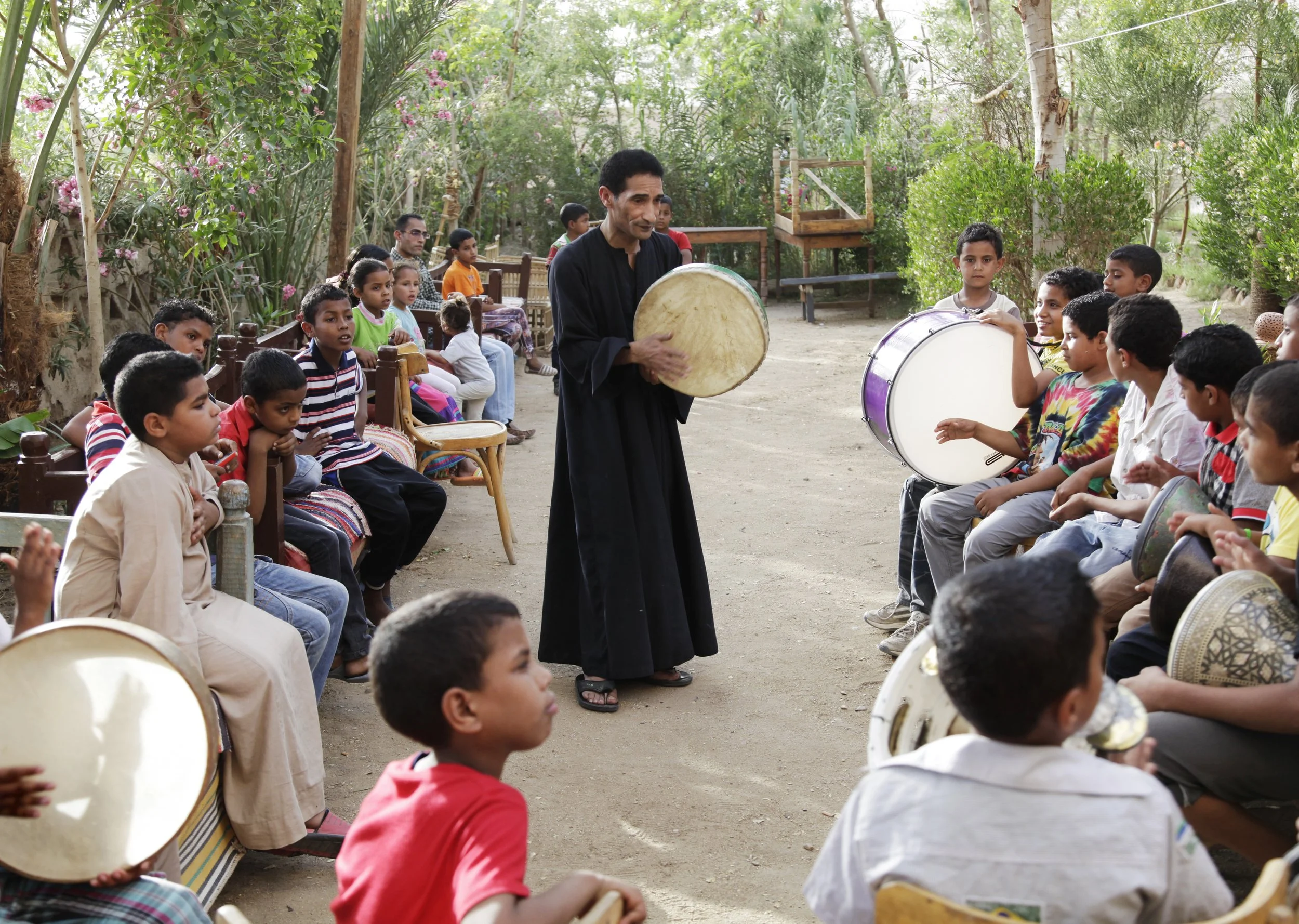
Luxor — EGYPT
The Luxor Pavilion told the story of Funtasia, a centre created for children and young people. The project demonstrated how education, creativity and social commitment can return a place to its community and give younger generations the confidence to imagine and build their own future.
A PROJECT BY
FUNTASIA
SUPPORTED BY
ELISA SEDNAOUI FOUNDATION
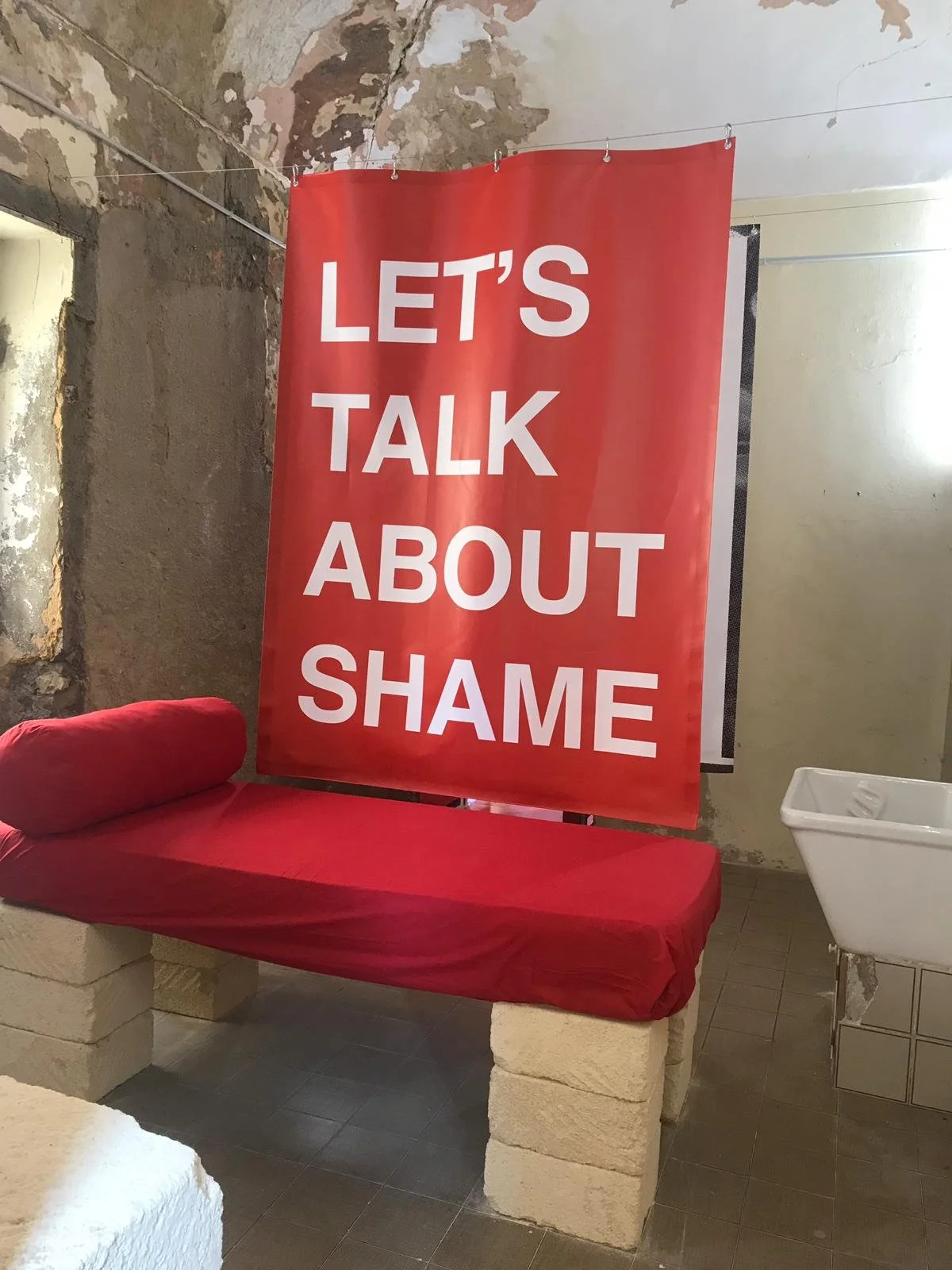
Matera — ITALY
ARCHITECTURE OF SHAME
The pavilion investigated how architecture and places become associated with shame—and how that judgement can be transformed. Beginning with Matera’s history, the project examined the relationship between built space, political narratives and social exclusion, turning stigma into an opportunity for critical reflection and collective redemption.
CURATED BY
ARCHITECTURE OF SHAME AND FABIO CIARAVELLA
CO-PRODUCED BY
FONDAZIONE MATERA BASILICATA 2019
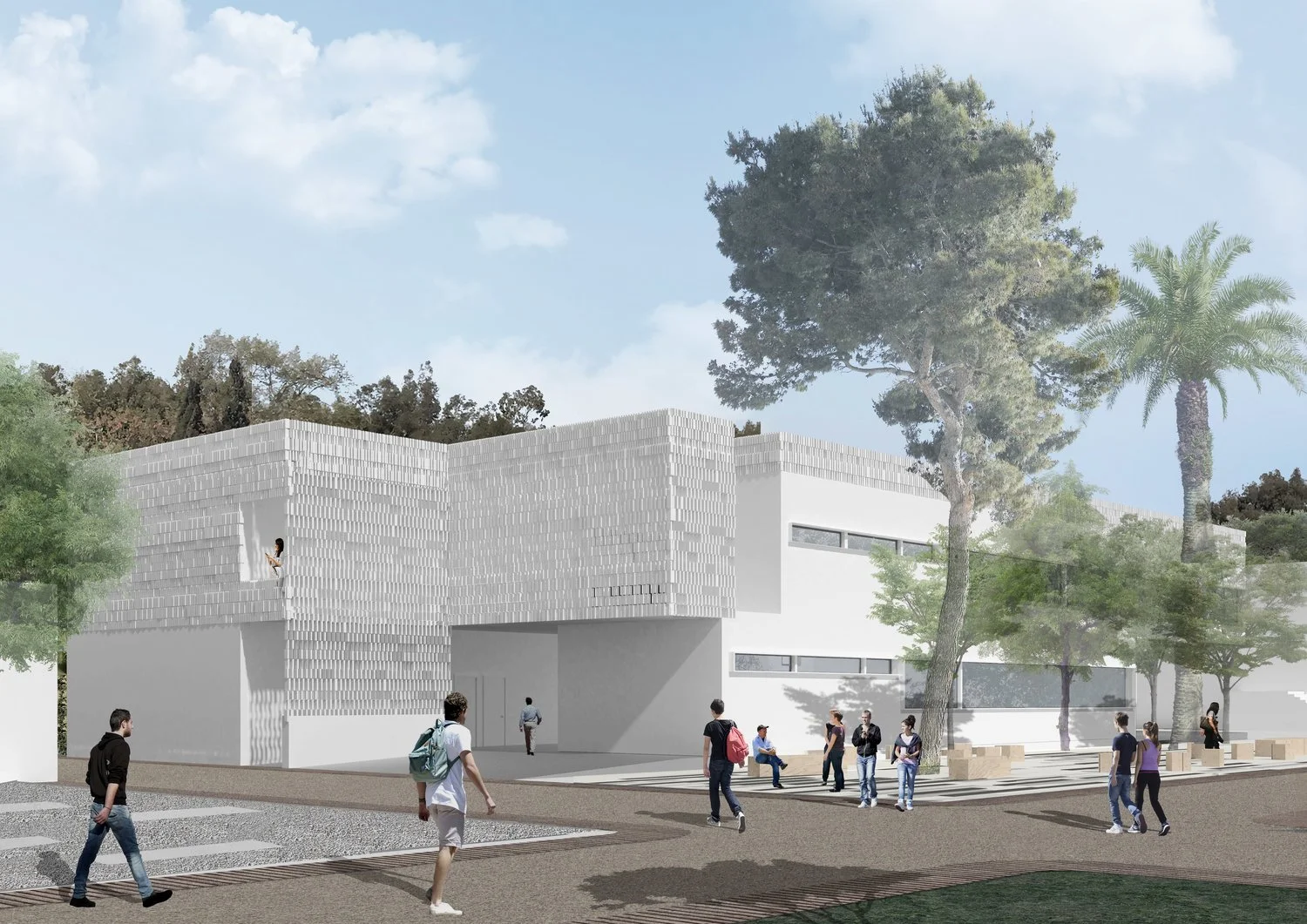
Meknes — MOROCCO
The Meknes Pavilion examined how investment in education and culture can become a powerful instrument of urban and social development. The city was presented through the people and initiatives working to create opportunities, strengthen communities and connect heritage with new possibilities.
CURATED BY
SALVATOR JOHN LIOTTA
Molise — ITALY
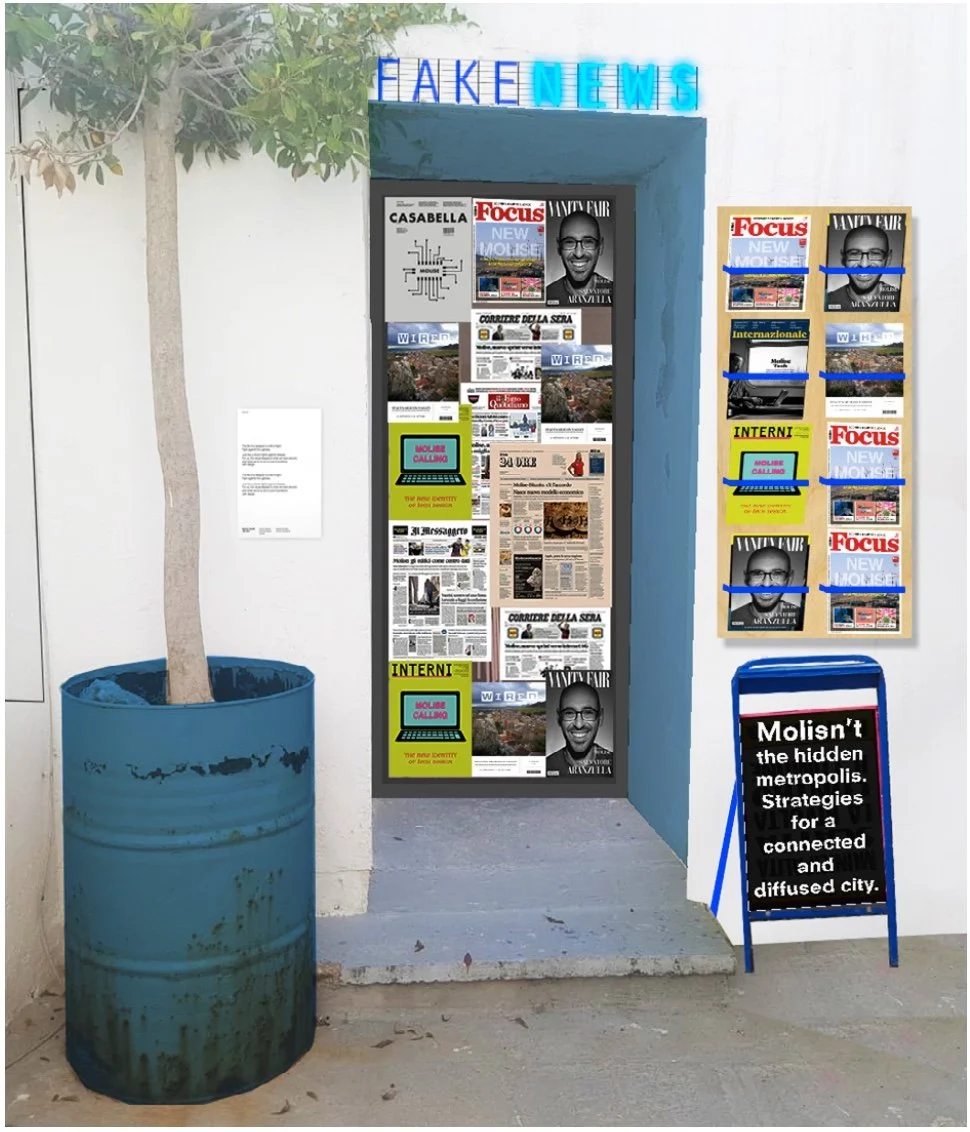
MOLISN’T: THE HIDDEN CONCEPT METROPOLIS
The pavilion reimagined Molise as a connected and dispersed metropolis. In response to depopulation and abandonment, SUPERSPATIAL proposed a network of towns capable of sharing services, knowledge and opportunities—transforming apparent marginality into an alternative model of urban life.
CURATED BY
SUPERSPATIAL
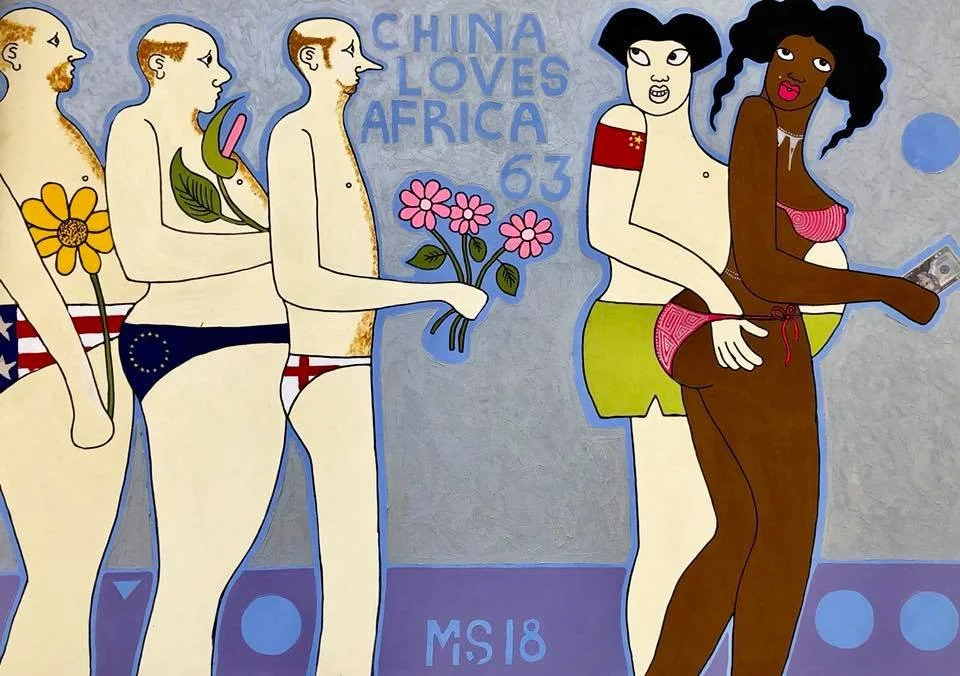
Nairobi — KENYA
The Nairobi Pavilion gave space to the voices and creative energy of a younger generation. Art became a way of confronting inequality, questioning dominant representations and revealing a city shaped not only by its contradictions but by the imagination of those determined to change it.
ARTISTS
MICHAEL SOI AND LYRA AOKO
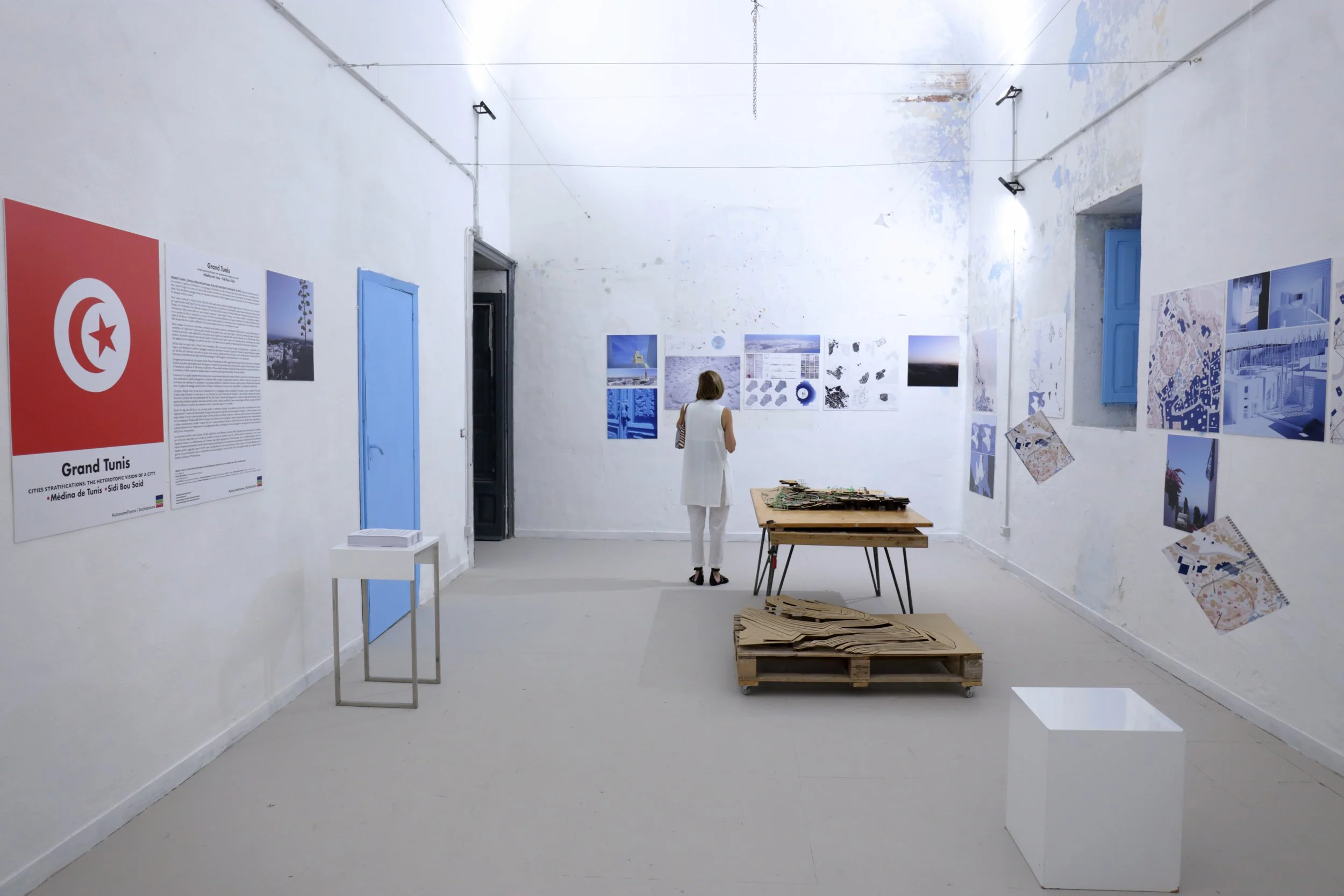
Sidi Bou Said · Tunis — TUNISIA
Overlooking the Mediterranean, Sidi Bou Said is defined by a distinctive architectural identity and a long history of cultural exchange. The pavilion explored how beauty, heritage and collective memory contribute to the perception of a place and to its preservation over time.
CURATED BY
AUTONOMEFORME
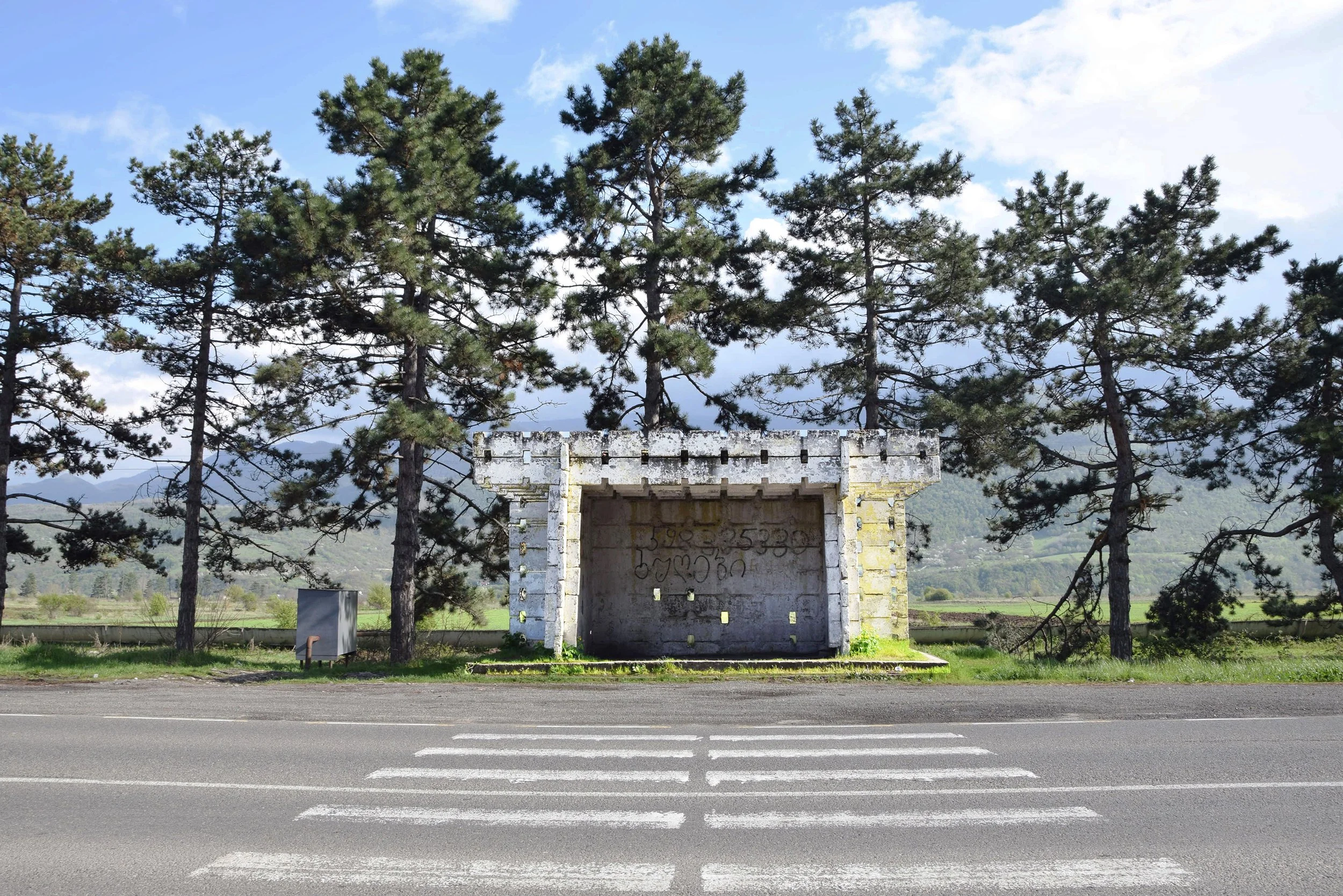
Tbilisi — GEORGIA
The pavilion explored Tbilisi’s architectural vitality during the Soviet period, revealing how experimentation survived within an apparently rigid political system. Buildings, public spaces and personal stories documented a city shaped by tension between imposed ideology, local identity and creative freedom.
CURATED BY
NANA ZAALISHVILI
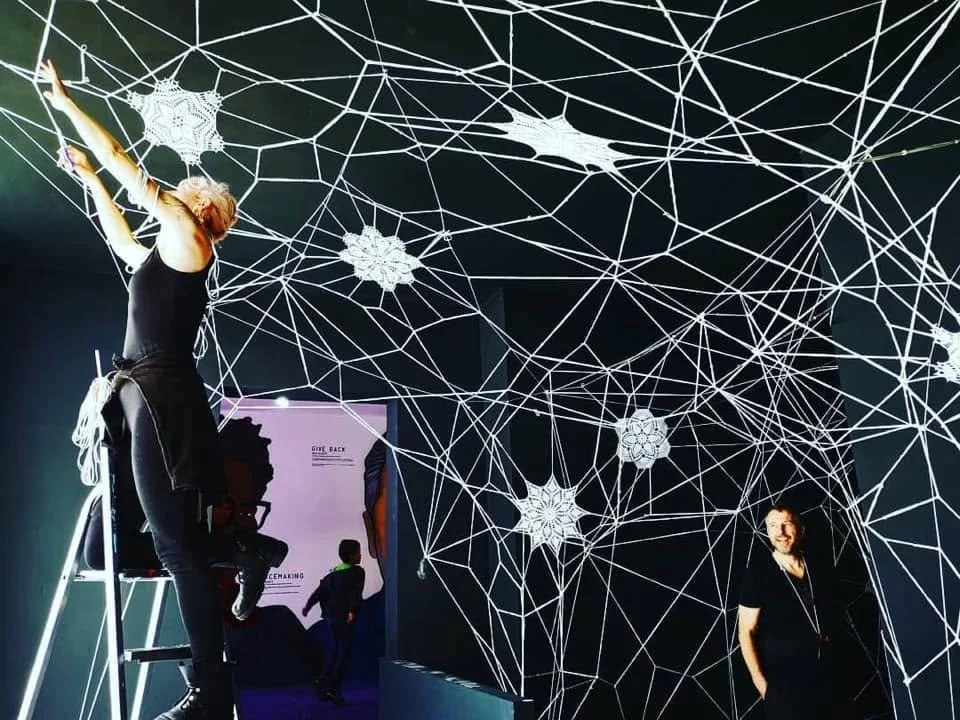
Off Pavilions
Beyond the official programme, the Off Pavilions expanded Countless Cities across Favara through independent exhibitions, installations and cultural projects. Hosted in different spaces throughout the town, they brought new cities, territories and urgent questions into the Biennial, creating a more open, unexpected and participatory urban journey.
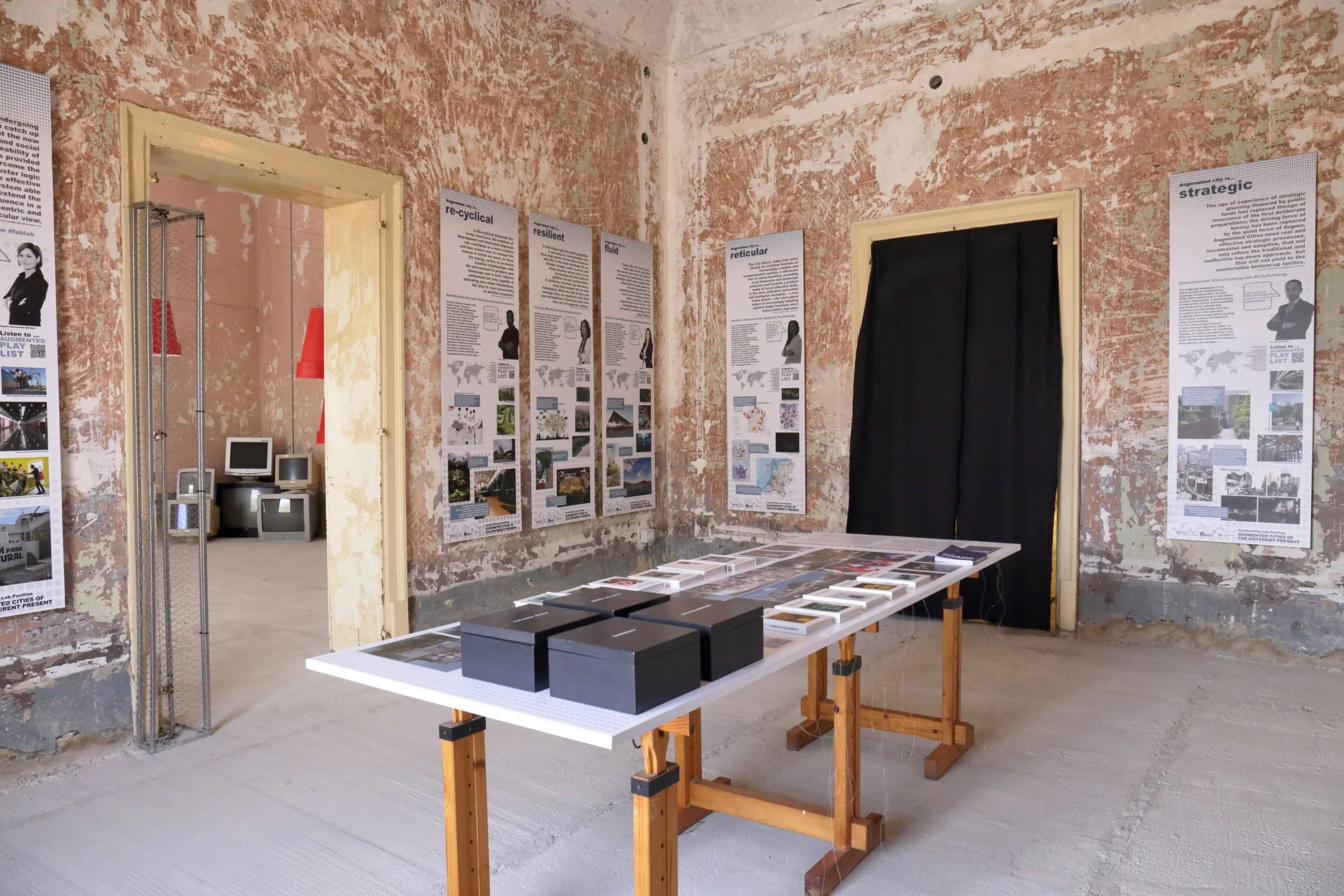
AUGMENTED CITIES
The project explored the Augmented City as a new paradigm for understanding and transforming contemporary urban life. Culture, creativity, technology and active citizenship become tools for amplifying existing resources and producing more inclusive, collaborative and resilient cities.
CURATED BY
MAURIZIO CARTA
THE JOURNEY STARTED HERE
In 2019, Countless Cities transformed Favara into a meeting place for cities, artists and communities from across the world. The first edition opened a new geography of ideas—one that continues to grow, connect people and imagine different urban futures.